

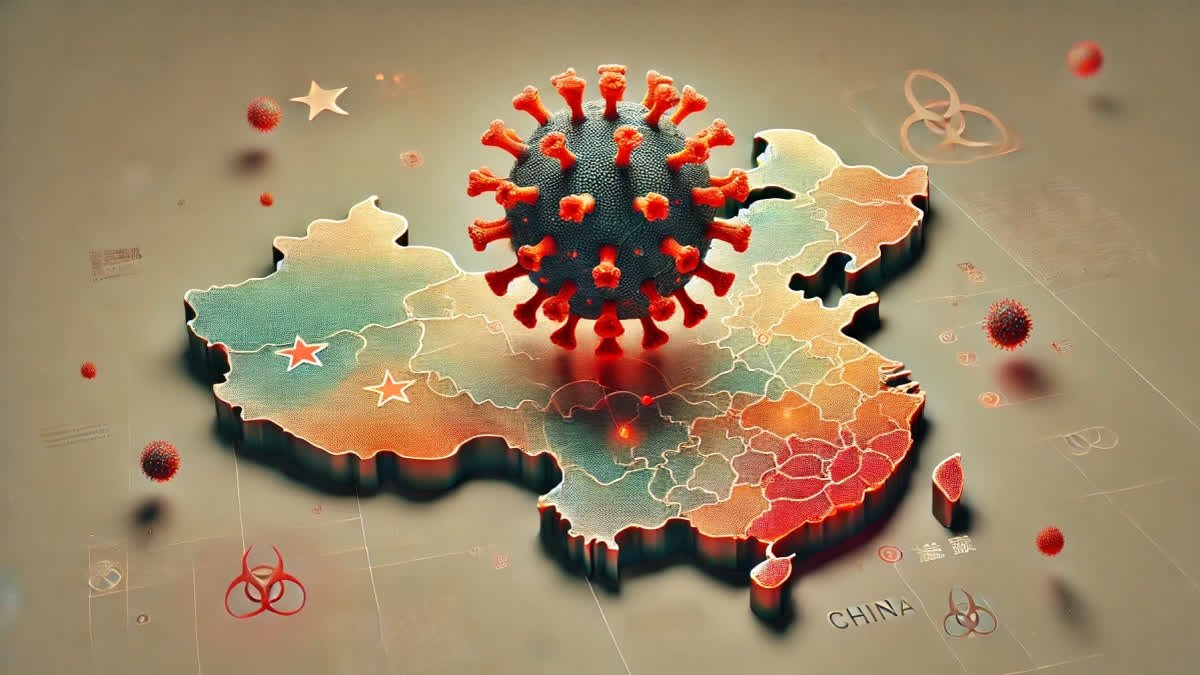

China is witnessing a sharp increase in cases of human metapneumovirus (HMPV) as winter intensifies, leading to overcrowded hospitals and growing public concern. The outbreak, concentrated in Northern provinces and particularly affecting children, has drawn comparisons to the early days of the COVID-19 pandemic.
Health authorities in China are taking emergency measures to address the surge. However, officials in Beijing have described the situation as a routine seasonal occurrence. Mao Ning, a spokesperson for the foreign ministry, stated that respiratory infections typically peak during winter, and this year’s cases appear less severe compared to previous outbreaks.
HMPV, a respiratory virus identified in 2001, generally causes mild symptoms such as cough, fever, and fatigue, similar to the common cold. However, it can lead to severe complications, including pneumonia, particularly in vulnerable groups like infants and the elderly.
The rise in HMPV cases coincides with colder weather and increased indoor activity, both of which create ideal conditions for the spread of respiratory viruses. While the World Health Organization has not classified the outbreak as a global health emergency, neighboring countries, including Cambodia and Taiwan, are closely monitoring the situation due to the virus’s resemblance to other respiratory illnesses.
In India, health officials have reassured the public that HMPV is similar to other common respiratory viruses and does not pose a cause for alarm. Authorities emphasized that the situation is under close observation, with no indications of an impending crisis.
The outbreak serves as a reminder of the need for heightened vigilance during the winter months, particularly in protecting vulnerable populations from seasonal respiratory infections.
