

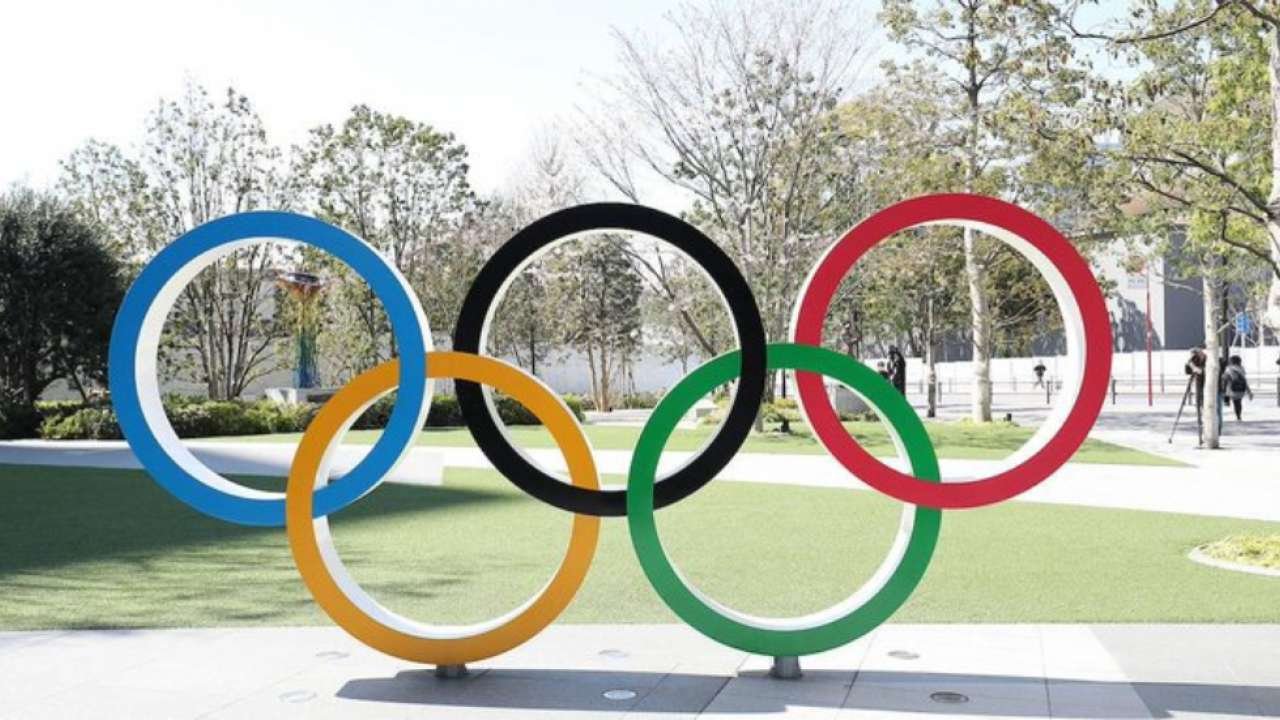

China has warned Western nations today and said they would have to “pay the price” for a diplomatic boycott of the 2022 Beijing Winter Olympics.
“The US, Australia, Britain and Canada’s use of the Olympic platform for political manipulation is unpopular and self-isolating, and they will inevitably pay the price for their wrongdoing,” Chinese Foreign Ministry spokesperson Wang Wenbin said on Thursday.
First of all, the United States announced diplomatic boycott of Beijing Olympics on Wednesday, saying it was prompted by widespread rights abuses by China and what it sees as a “genocide” against the Muslim Uighur minority in Xinjiang Uighur Autonomous Region. Australia, Britain and Canada followed the policy of the United States and they too announced boycott on Wednesday.
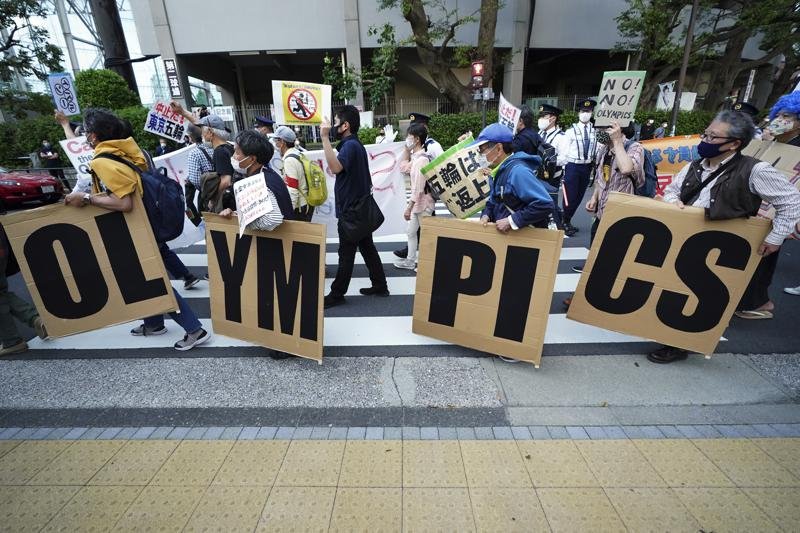
The boycott stopped short of not sending athletes but nonetheless infuriated Beijing, which hinted at retaliation.
Advocacy groups have backed the boycott, with Human Rights Watch’s China director Sophie Richardson calling it a “crucial step toward challenging the Chinese government’s crimes against humanity targeting Uyghurs and other Turkic communities”.
All four of the boycotting Western countries have seen relations with Beijing cool dramatically in recent years.
Britain has criticised China for its crackdown in Hong Kong. It also angered Beijing last year by blocking Chinese tech giant Huawei’s involvement in its 5G broadband rollout, after Washington raised spying concerns.
Canada’s relations with China meanwhile hit a low over the December 2018 arrest in Vancouver on a US warrant of Huawei executive Meng Wanzhou and Beijing’s detention of two Canadian nationals in response.
China has been angered at Australia’s willingness to legislate against overseas influence operations, its barring of Huawei from 5G contracts, and its call for an independent investigation into the origins of the coronavirus pandemic.
Australia’s recent move to equip its navy with nuclear-powered submarines under a new defence pact with Britain and the United States, widely seen as an attempt to counter Chinese influence in the Pacific region, further angered Beijing.
