


Russia and China Seal Major Pipeline Agreement
Russia and China finalized the Power of Siberia 2 pipeline deal, signaling a major shift in global natural gas flows.
Europe Faces Higher Energy Costs
The deal strengthens China’s energy security while deepening Europe’s reliance on expensive U.S. liquefied natural gas.
U.S. LNG Strategy Challenged
The agreement undermines Washington’s energy dominance ambitions as China reduces its dependence on U.S. LNG supplies.
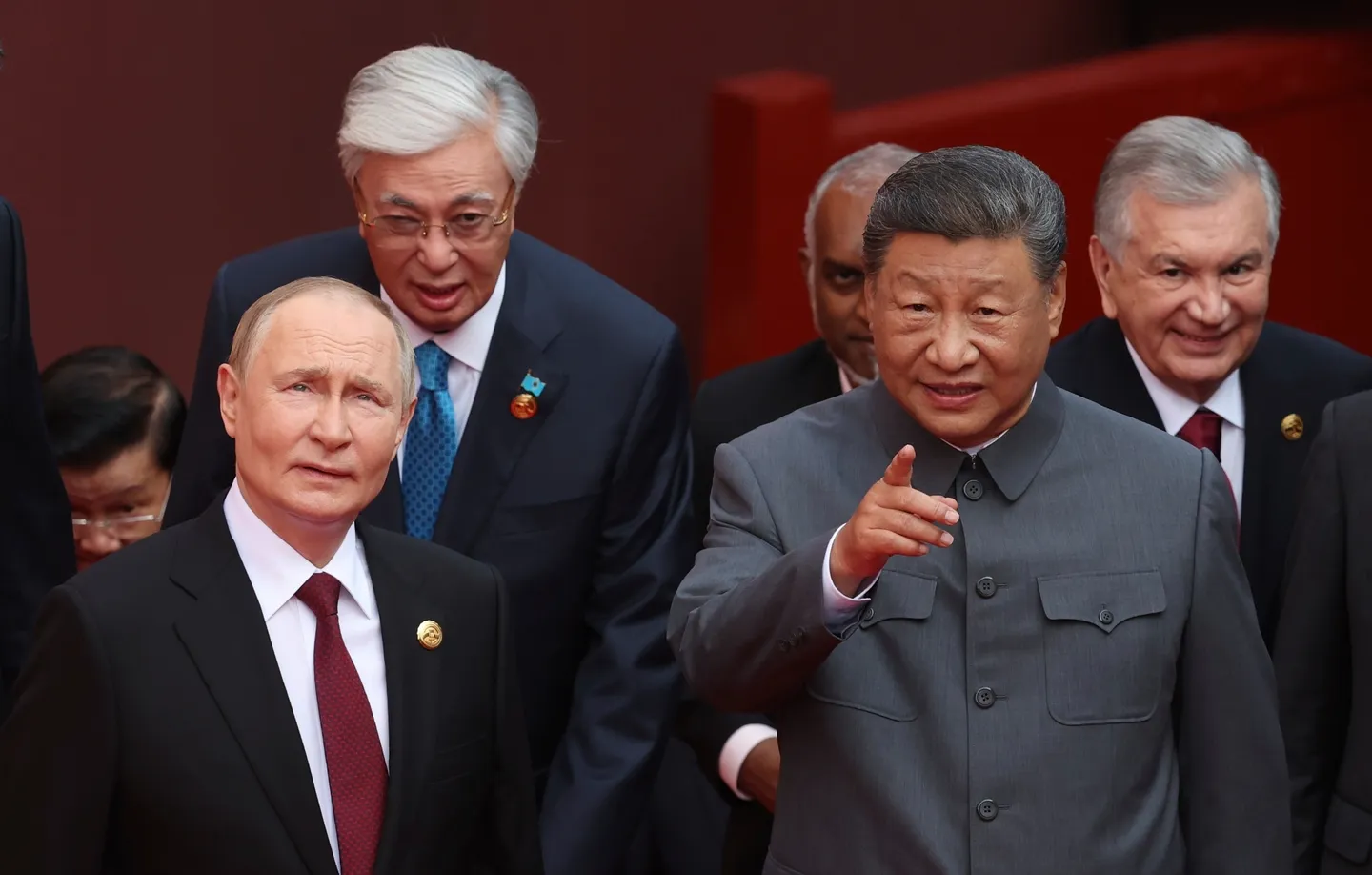
The Power of Siberia 2 pipeline agreement between Russia and China has redrawn the global natural gas map. Presidents Vladimir Putin and Xi Jinping sealed the deal earlier this month, setting the stage for a permanent change in energy flows.
The new pipeline will allow Russia to export more than 100 billion cubic meters of gas annually to China. This volume mirrors the capacity once intended for Europe through the Nord Stream 2 expansion, now halted by European sanctions.
Europe has pledged to end Russian energy imports within two years, even as it continues buying gas from TurkStream and liquefied natural gas from global suppliers. The gap left by Russia is increasingly filled by U.S. LNG, which comes at a higher cost.
China, meanwhile, strengthens its competitiveness. Lower energy prices improve the global standing of Chinese goods, while Europe suffers under the weight of costly imports. European industries face rising production costs, reducing their ability to compete internationally.
The United States hoped to cement its energy dominance through growing LNG exports. Producers have increased shipments from the Gulf Coast, with Europe now the largest market. However, the Power of Siberia 2 deal reduces prospects for U.S. LNG in China. Beijing has already stopped U.S. imports amid ongoing tariff disputes.
For Europe, expensive LNG brings new challenges. Governments must subsidize industries and households struggling with soaring energy bills. Yet budgetary limits make it impossible to cover all costs, leaving Europe in a fragile position.
From Washington’s perspective, the pipeline deal complicates both economic and strategic objectives. While U.S. LNG exports remain strong, the loss of access to China and Europe’s weakening competitiveness present serious concerns.
The deal ensures China enjoys secure, affordable gas supplies, while Europe confronts chronic disadvantages. The new global energy order now favors Beijing and Moscow, with Washington and Brussels left adjusting their strategies.
