


New Agriculture Tariffs
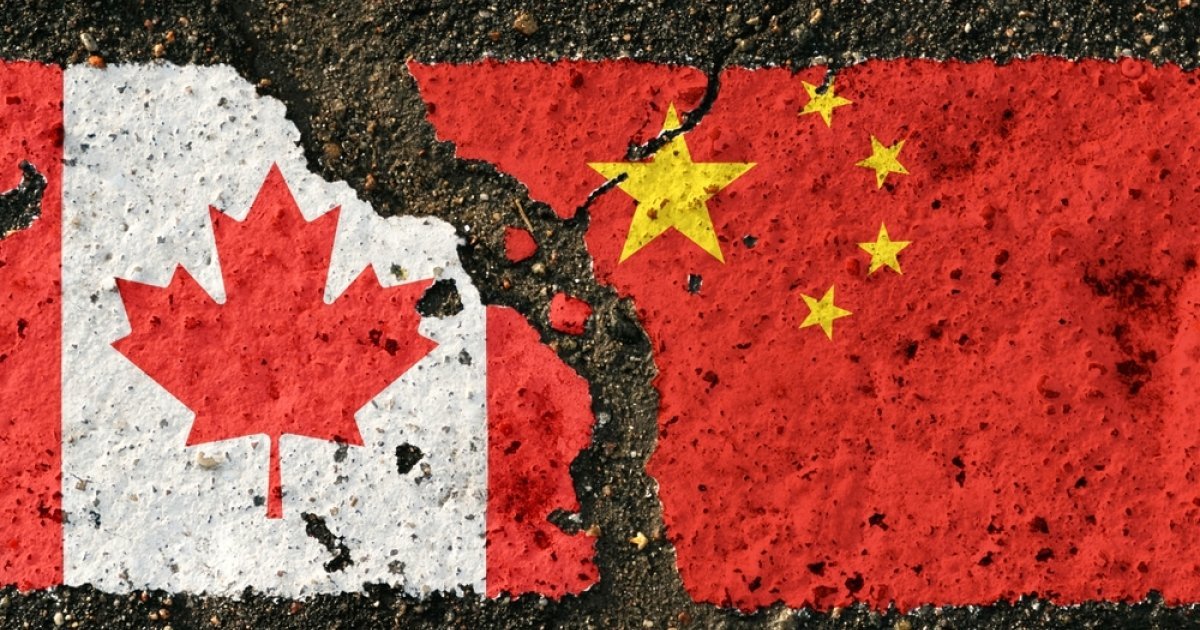
China has announced new tariffs on over $2.6 billion worth of Canadian agricultural and food products, intensifying trade tensions between the two nations. The move, revealed by the Chinese Ministry of Commerce on Saturday, is seen as a direct response to the import levies imposed by Canada in October.
These fresh tariffs add another layer to the ongoing trade disputes, which have largely been fueled by U.S. trade policies under former President Donald Trump.
The new Chinese tariffs, set to take effect on March 20, mirror the 100% and 25% duties that Canada placed on Chinese electric vehicles, steel, and aluminum products just over four months ago.
However, Beijing’s decision to exclude canola—one of Canada’s most significant agricultural exports—suggests that China may still be open to negotiations. Canola exports to China had already faced scrutiny after Beijing launched an anti-dumping investigation into the product last year.
The Ministry of Commerce accused Canada of violating World Trade Organization (WTO) regulations, calling Ottawa’s trade measures an act of protectionism that discriminates against Chinese businesses. As part of its response, China will impose a 100% tariff on over $1 billion worth of Canadian rapeseed oil, oil cakes, and peas, while a 25% duty will be applied to $1.6 billion worth of Canadian pork and aquatic products.
Analysts view this move as both a retaliatory measure and a warning signal. Dan Wang, China director at Eurasia Group, noted that the timing of these tariffs could be a strategic reminder of the economic costs Canada might face for aligning too closely with U.S. trade policies. She added that China’s delayed response likely resulted from its focus on managing trade disputes with both the United States and the European Union, pushing Canada lower on its priority list.
The Canadian embassy in Beijing has yet to issue a response to the announcement. Meanwhile, Canadian Prime Minister Justin Trudeau has defended his administration’s decision to impose tariffs on Chinese goods, stating that they were necessary to counter China’s policy of industrial overcapacity.
Ottawa’s trade restrictions align with similar measures imposed by both the United States and the European Union, which have taken steps to curb the influx of low-cost Chinese electric vehicles.
China’s anti-dumping investigation into Canadian canola imports remains ongoing, with trade between the two nations in this sector valued at approximately $3.7 billion in 2023. Some analysts believe that China’s decision not to include canola in the latest tariff list could be a diplomatic move, leaving space for potential trade negotiations.
Another factor that could influence the trajectory of China-Canada trade relations is Canada’s upcoming federal election, scheduled to take place by October 20. Rosa Wang, an agricultural analyst at JCI, suggested that China might be hoping for a change in government that could lead to improved bilateral ties.
A similar scenario played out between China and Australia after the Australian government changed leadership in 2022, leading to the lifting of trade restrictions that had been in place since 2020.
China is currently Canada’s second-largest trading partner, though it lags far behind the United States. In 2024, Canada exported $47 billion worth of goods to China, according to Chinese customs data.
The latest tariffs could create additional pressure on Canadian exporters, particularly those in the agricultural sector, who have already been grappling with market uncertainties.
Despite the escalating tensions, some experts believe that China may use Canada’s election as an opportunity to reset trade relations, much like it did with Australia. If political leadership changes in Ottawa, Beijing may see an opening to ease restrictions and reestablish smoother economic ties. However, for now, Canadian businesses in the affected sectors will have to navigate an increasingly complex trade environment.
