

China has strongly rejected claims suggesting a leading Chinese semiconductor company supplied chipmaking tools to Iran. Officials described the reports as false information circulating during heightened geopolitical tensions.
The controversy emerged after media reports alleged that equipment shipments from a major Chinese chip manufacturer began roughly a year earlier. According to unnamed officials cited in the report, deliveries may still be ongoing.
However, Chinese authorities quickly pushed back against the allegations. Beijing insisted that certain media outlets were spreading misleading narratives without verified evidence.
Foreign Ministry Labels Allegations as “False Information”
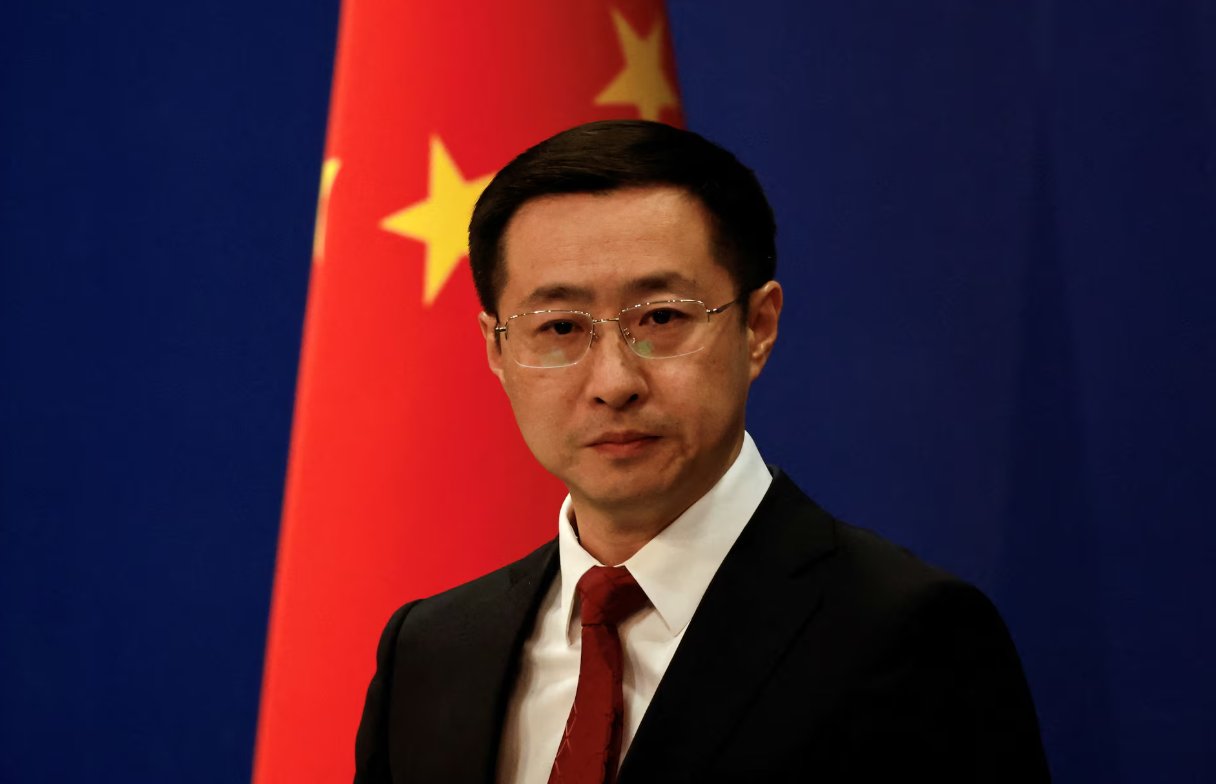
During a regular press briefing in Beijing, Foreign Ministry spokesperson Lin Jian addressed questions regarding the claims. He stated that recent reports appeared credible at first glance but proved inaccurate after verification.
He emphasized that several similar stories had surfaced recently and were later determined to contain false information. Nevertheless, the spokesperson did not provide additional operational details about the accusations.
The semiconductor company mentioned in the reports did not publicly respond to requests for comment. As a result, uncertainty continues surrounding the origins of the allegations.
China Maintains Diplomatic Balance in Iran Conflict
China remains an important economic partner of Iran. However, Beijing has not announced military support for Tehran during the ongoing conflict triggered by US-Israeli strikes earlier this year.
Instead, Chinese officials have repeatedly called for restraint and diplomatic engagement. The government continues advocating dialogue rather than escalation.
At the same time, China has expressed concern over developments that risk widening the conflict across the Middle East. Officials argue that prolonged instability threatens regional security and global economic stability.
Calls for Peace Talks Gain Diplomatic Momentum
China’s top diplomat Wang Yi recently held discussions with Iran’s foreign minister Abbas Araghchi. During the conversation, China encouraged all parties to seize opportunities for peace negotiations.
Beijing stressed that dialogue remains the only sustainable solution to reduce tensions. Therefore, Chinese diplomacy continues focusing on mediation and de-escalation efforts.
China has also criticized actions that intensify conflict dynamics while simultaneously distancing itself from retaliatory strikes targeting Gulf states hosting foreign military bases.
This balanced stance reflects Beijing’s broader foreign policy approach, which prioritizes stability and negotiated outcomes.
Semiconductor Claims Add New Layer to Geopolitical Rivalry
The allegations surrounding semiconductor shipments have introduced another dimension to already strained international relations. Technology supply chains increasingly sit at the center of global strategic competition.
Consequently, accusations involving advanced manufacturing equipment carry significant political implications. Semiconductor technology plays a vital role in defense, communications, and industrial development worldwide.
Analysts note that disputes over technology transfers often emerge during periods of geopolitical rivalry. Therefore, information disputes can quickly escalate diplomatic tensions.
Information Disputes Highlight Growing Media Scrutiny
China’s response also highlights rising sensitivity toward international media coverage during ongoing conflicts. Governments increasingly challenge narratives they believe misrepresent their policies or actions.
While the allegations remain disputed, the episode underscores how technology, diplomacy, and conflict narratives now intersect closely.
As tensions continue across the region, diplomatic messaging and information accuracy are likely to remain central issues shaping global perceptions.
For now, Beijing maintains that the reported chip supply claims lack factual basis, while urging renewed efforts toward dialogue and peaceful resolution.

