
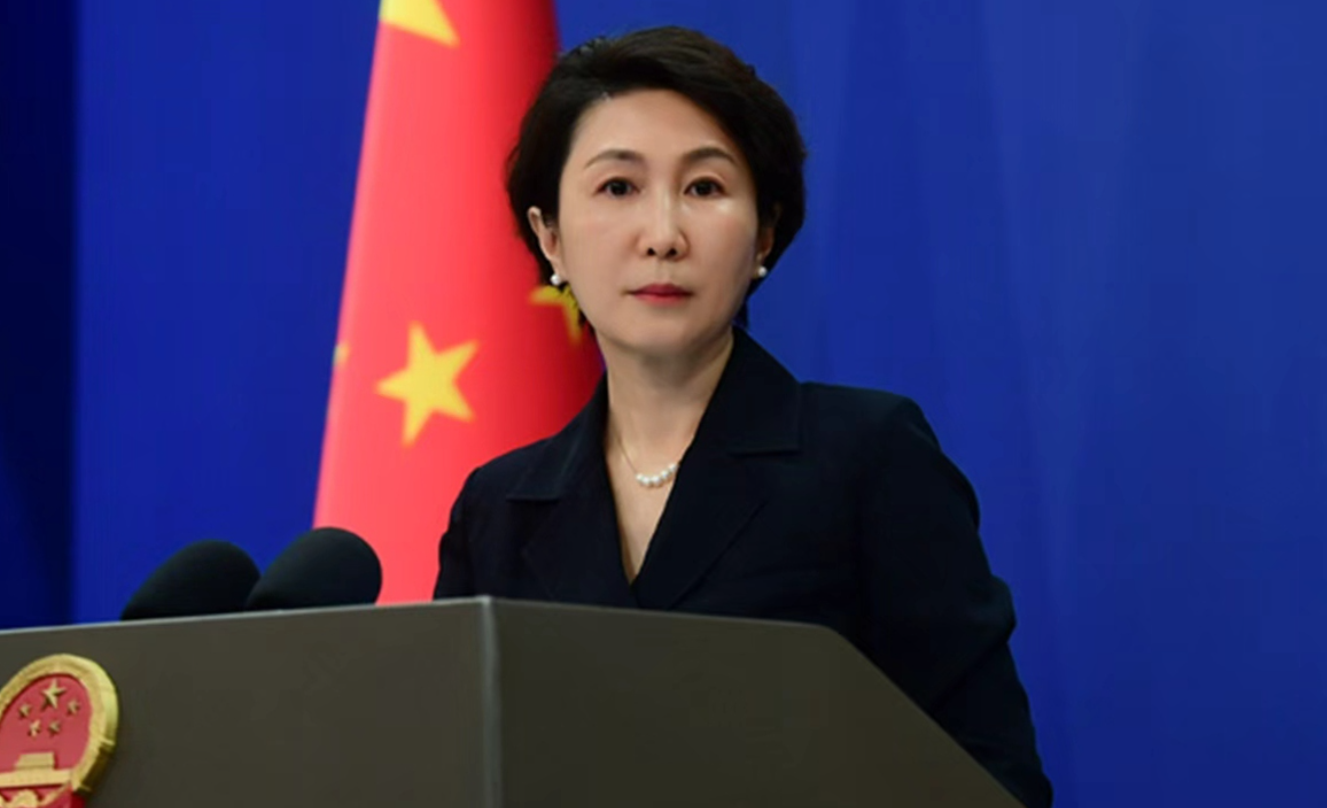

China has strongly urged an end to ongoing US military actions in Iran, calling instead for a return to talks and peaceful negotiation. Officials in Beijing also condemned recent strikes as violations of international law and warned against further escalation of the conflict.
At a regular press briefing, Chinese foreign ministry spokesperson Mao Ning emphasized that military action during active negotiations breaches basic principles of international relations. She said that the Iran nuclear issue should be resolved through political and diplomatic means rather than force.
Mao also urged all parties involved to immediately halt military operations, stressing the urgency of preventing the conflict from spreading further. She warned that continued fighting threatens regional stability and the global economy, especially energy supplies that depend on secure trade routes. According to Chinese officials, the sovereignty, security, and territorial integrity of all nations in the region—including Gulf states—must be fully respected to avoid wider fallout.
Beijing Condemns Strikes and Calls for Peaceful Dialogue
China has repeatedly voiced concern over recent strikes against Iran by the United States and Israel. These actions, which included attacks on military sites and government infrastructure, were described as lacking approval from the United Nations Security Council and undermining international law. Officials in Beijing argued that such strikes risk undermining efforts toward a diplomatic resolution and could escalate tensions throughout the Middle East.
Mao stressed that the escalation of military operations endangers not only Iran and neighboring states but also global trade networks. In particular, she highlighted the strategic importance of the Strait of Hormuz, a vital channel for oil and gas shipments. Disruptions there could trigger broader economic instability worldwide.
China’s call for a ceasefire aligns with similar appeals from other nations urging diplomacy and restraint. Beijing has welcomed statements from regional foreign ministers supporting dialogue and peaceful conflict resolution. It also stressed the need for all sides to protect civilians and respect international norms during this crisis.
Concern for Citizens and Regional Impact
Amid the conflict, China confirmed that a Chinese citizen was killed in Tehran. The foreign ministry extended condolences to the family and stated that embassies and consulates in neighboring countries are assisting with evacuations. More than 3,000 Chinese citizens have already been evacuated from Iran through coordinated efforts at regional ports and transit points.
Officials noted that maintaining the safety of overseas citizens is a top priority while urging all parties to de-escalate hostilities. They believe that diplomatic engagement and sustained dialogue offer the most viable path toward peace and stability in the region, rather than continued military confrontation.
Energy Security and Global Economic Risks
China also made it clear that energy security remains a global priority. With international markets already sensitive to conflict in Gulf regions, Beijing urged responsible actions by all sides to ensure stable energy flows. Disruptions to oil shipments can have serious consequences for both regional economies and the wider world.
Mao underscored that energy security and peaceful coexistence are mutual goals for all nations affected by the conflict. She reiterated that all parties must work together to protect trade routes, safeguard civilian populations, and prevent further escalation.
China’s Position on Diplomacy and International Law
China’s stance reinforces its support for resolving complex geopolitical disputes through dialogue rather than force. Beijing’s calls for an immediate cessation of military operations serve as a reminder of the risks posed by prolonged conflict, both for regional stability and global economic wellbeing.
Chinese officials consistently emphasize the importance of international law and diplomatic solutions as central to long‑term peace. They also highlighted the need for cooperation among world powers to address underlying issues and prevent further violence.

