

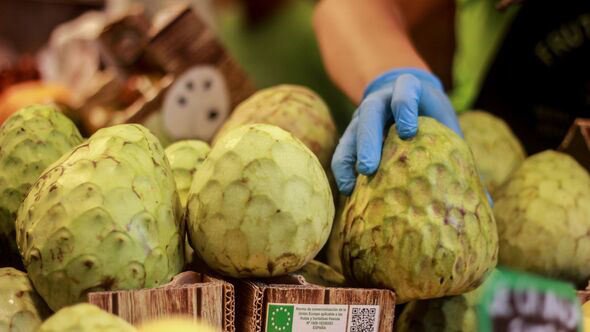

A Nutrient Powerhouse with Creamy Texture and Sweet Taste
While popular fruits like oranges and pomegranates often steal the spotlight for their high vitamin C and antioxidant content, a lesser-known tropical fruit has quietly risen to the top of global nutritional rankings. According to a BBC report, cherimoya — also known as custard apple — has scored an impressive 96 out of 100 on the nutrition scale, earning it a place among the world’s most nutritious foods.
Conical in shape, green in color, and covered with a rough outer skin, cherimoya hides a soft, creamy, and sweet flesh inside. The texture is similar to custard, making it a delightful treat often eaten with a spoon. But beyond its unique taste and texture, cherimoya boasts a rich nutritional profile.
Healthline highlights that cherimoya is packed with antioxidants, fiber, vitamins, and essential minerals, all of which contribute to numerous health benefits. These include enhanced immune function, reduced inflammation, and improved cardiovascular and eye health. Its high fiber content promotes good digestion, while flavonoids found in the fruit are linked to anti-cancer properties, with laboratory studies showing potential in slowing the growth of cancer cells.
High in Vitamin B6, Linked to Mood and Brain Health
One of cherimoya’s standout nutrients is vitamin B6, which plays a crucial role in brain development and mood regulation. Adequate intake of B6 is associated with a reduction in symptoms of depression and enhanced cognitive function. This makes cherimoya not only a delicious addition to the diet but also a food that may support mental well-being.
However, experts caution that certain parts of the cherimoya plant — particularly the seeds and skin — contain naturally occurring toxins that can negatively affect the nervous system if consumed in large quantities. As with many tropical fruits, moderation and proper preparation are key to enjoying its benefits safely.
