

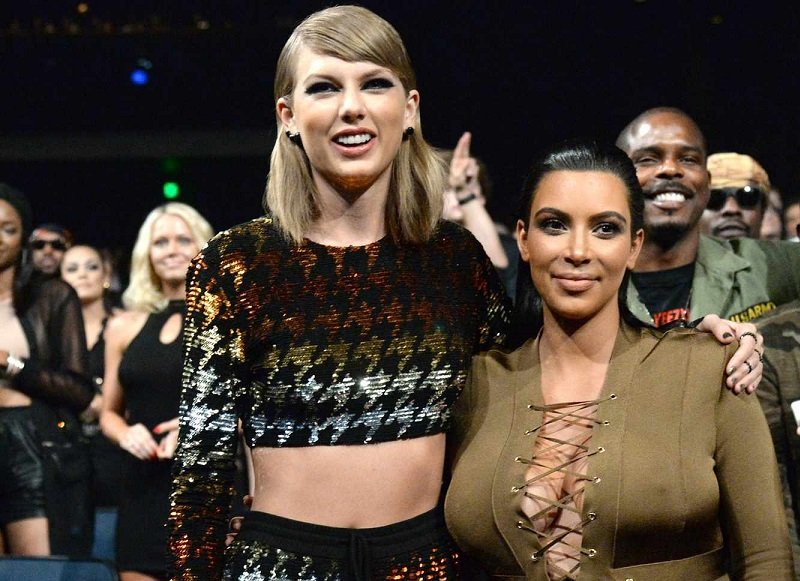

Celebrities who have remained silent on the Israeli aggression in Gaza are facing backlash from angry fans who are blocking them on social media and streaming platforms amid Block Out 2024 campaign.
Taylor Swift, Drake, and others have become targets of the ‘Block Out 2024’ movement, which originated on TikTok. This movement arose in response to the perceived disconnect between the glamorous Met Gala and the harsh realities of the Israeli aggression in Gaza.
For months, pro-Palestinian activists have been flooding social media comments, urging stars to advocate for a ceasefire in Gaza’s deadly conflict.
Malala criticized for collaborating with Hillary Clinton
Tensions peaked after last week’s Met Gala, a high-profile fundraiser featuring A-list stars. Influencer Hailey Kalil, dressed in an extravagant gown, posted a TikTok lip-synching “Let them eat cake,” a phrase linked to Marie Antoinette’s disregard for the poor.
TikToker ladyfromtheoutside, who initiated the movement, responded: “It’s time for the people to conduct what I call a digital guillotine, a digitine, if you will,” urging people to withdraw their views, likes, comments, and money from these celebrities.
Her message has become a rallying cry for the pro-Palestinian movement, and early signs indicate the boycott is having an impact.
The boycott seems to be affecting some celebrities. Kim Kardashian, who attended the Met Gala, has lost hundreds of thousands of Instagram followers, according to Social Blade. Taylor Swift, focusing on her Eras Tour instead of attending the event, has seen a decline of over 200,000 followers.
“This is about lives and justice – if she can rally all of us to vote, she has the power to speak up about injustice,” said a TikToker who identified as a “Palestinian Swiftie,” advocating for blocking, unfollowing, and stopping streaming Swift’s content.
Gigi Hadid’s post on Palestine draws backlash
It’s unclear whether the movement is solely responsible for the decline in followers, or if other factors are contributing. The losses could be temporary, according to Natasha Lindstaedt, a University of Essex professor who studies celebrity activism.
“Sometimes people make a decision based on an emotional response to an issue and decide that if a celebrity isn’t on the same side… they don’t want to follow them anymore, but that takes a second,” Lindstaedt explains.
Talent agency drops Susan Sarandon after pro-Palestine comments
This phenomenon, known as “slacktivism,” involves substituting low-stakes online actions like unfollowing a star for meaningful political engagement. Celebrities might find it wiser to wait out the backlash due to the sensitive nature of the Gaza conflict, which has been challenging for many stars.
Oscar-winning actress Susan Sarandon was dropped by her talent agency UTA after speaking at a pro-Palestine rally in November. Comedian Jerry Seinfeld has also faced criticism for his closer affiliation with Israel, which intensified after his wife Jessica donated to a pro-Israel group involved in a violent altercation with pro-Palestinian demonstrators at UCLA.
She later clarified on Instagram that she supported a peaceful rally and did not endorse any violent actions.
