

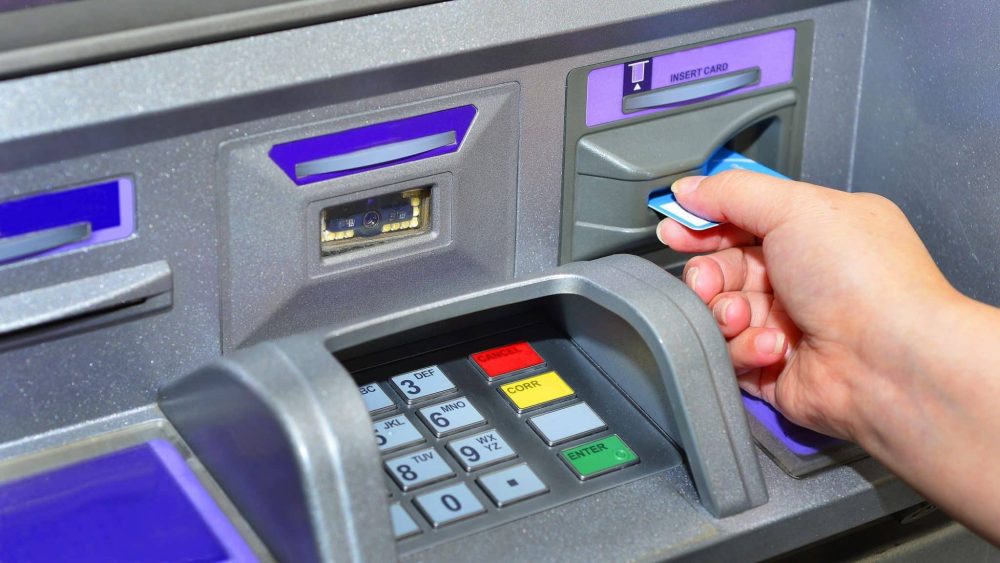

ISLAMABAD: Starting July 2025, banks across Pakistan have increased the fee for cash withdrawals made from ATMs not operated by the cardholder’s bank. The ATM transaction will cost now Rs35.00 per transaction, from previous rate of Rs 23.44—a change that will affect millions of account holders nationwide.
This revised fee applies specifically to non-host ATM usage, a common practice, particularly in areas with limited access to a user’s own bank’s ATM network.
The new charges have already been reflected in updated bank fee schedules and are being implemented.
According to industry sources, the majority of this fee goes to 1-Link, the national ATM switching network, while the bank that owns the ATM retains a smaller portion, primarily to cover equipment maintenance and operational costs.
The decision has sparked concern among consumers, especially those in rural or underserved regions, who often rely on whichever ATM is available—regardless of the bank. The hike is particularly burdensome for daily wage earners, pensioners, and low-income individuals who tend to withdraw smaller amounts more frequently and will now pay significantly more to access their own money.
Banks have defended the increase, citing rising operational costs and adjustments in interbank transaction frameworks. However, critics argue the timing is insensitive, as inflation, surging utility bills, and declining purchasing power already strain household budgets.
With this hike, even basic financial services like cash withdrawals are becoming more expensive, highlighting a broader challenge for Pakistani consumers—navigating everyday banking without facing growing fees.
