


Senate Finance Committee
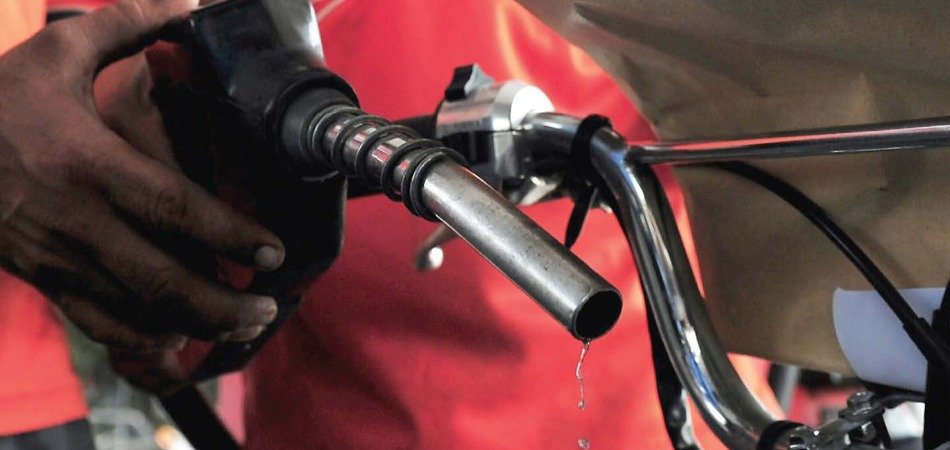
ISLAMABAD: On Thursday, the Senate Standing Committee on Finance overwhelmingly rejected the government’s budget proposal to impose a carbon levy on petroleum products for the fiscal year 2025-26.
The proposed levy, set at Rs 2.5 per liter of petrol, was part of the federal budget and aimed at generating revenues to support climate change initiatives and the transition toward a green economy.
During the committee meeting, several senators voiced their concerns and objections to the imposition of the carbon levy, highlighting legal, economic, and practical issues. Senator Sherry Rehman, representing the Pakistan Peoples Party (PPP), argued that there is a significant difference between a carbon levy and a carbon tax.
She pointed out that globally, carbon taxes are the widely accepted mechanism, enforced through proper legislation, whereas carbon levies have not been used as a policy tool elsewhere. Rehman emphasized that such a levy requires a formal act of law and should not be implemented through the finance bill, calling for more transparency and adherence to legal processes.
Senator Mohsin Aziz referenced a Supreme Court ruling in the Zafar Iqbal Jhagra case, which restrained the imposition of any carbon levy. He warned that going ahead with the levy would be in contempt of the court, urging the government to respect judicial decisions.
Further criticism came from Senator Sherry Rehman, who highlighted the indiscriminate nature of the proposed levy. She argued that while carbon taxes are often applied to specific industries with clear environmental objectives, this levy would unfairly burden the general public, who are already struggling with rising fuel prices.
Senator Shibli Faraz added to the discussion by questioning the government’s allocation of funds collected from the levy. He pointed out that revenues generated under the guise of climate change mitigation were reportedly being spent on road construction, raising concerns about transparency and proper utilization.
The economic impact of the levy was also raised. Senator Abdul Qadir drew attention to the already soaring petroleum prices due to the ongoing Israel-Iran conflict, questioning how the addition of a carbon levy might further strain consumers and the economy.
Representatives from the Power Division explained that the carbon levy was a condition attached to the International Monetary Fund’s (IMF) Resilience and Stabilization Facility (RSF). They stated that the levy is typically imposed once a year and expected to generate around Rs 45 billion, which is intended to be spent on green economy initiatives.
However, Senator Saleem Mandviwala and others pressed for detailed information on the specific plans and accountability mechanisms regarding the use of the levy’s revenues. In response, government officials reiterated the commitment to allocate the funds for climate-related projects.
Despite these assurances, the Senate committee, reflecting the concerns of multiple members, decided to reject the budget proposal for the carbon levy on petroleum products through a majority vote. Senator Sherry Rehman concluded by reiterating her party’s stance that such a levy should not be imposed through a finance bill and demanded transparency regarding the IMF’s conditions.
The rejection signals a significant pushback against the government’s attempt to raise additional funds via carbon levies without broader consensus and legal clarity, especially in an environment of increasing fuel prices and economic challenges.
