

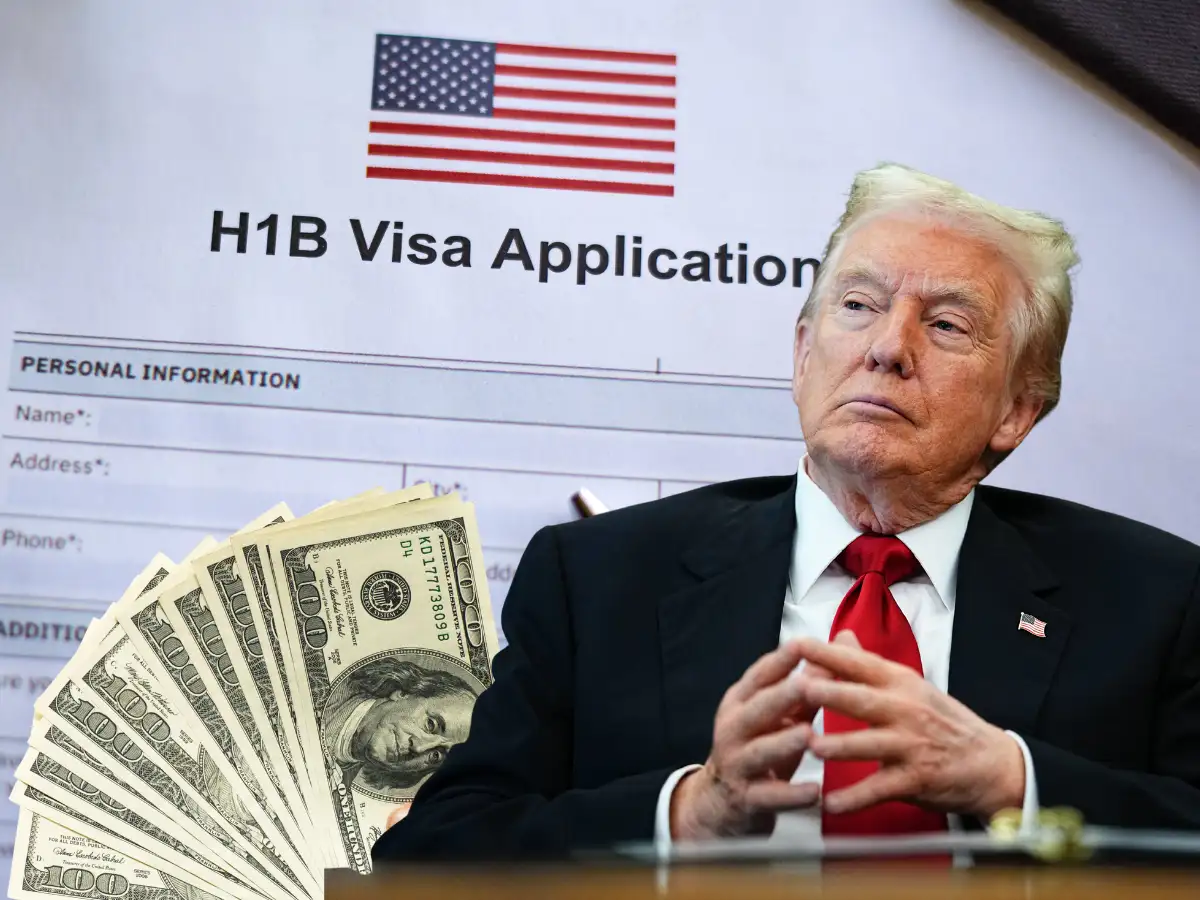

California and 19 other states have filed a federal lawsuit seeking to block President Trump’s proposed $100,000 fee on new H-1B visas, aimed at highly skilled foreign workers.
The suit, filed Friday in Boston, is at least the third legal challenge against the fee announced in September, which would dramatically increase the cost of obtaining H-1B visas from the current $2,000–$5,000 range.
California Attorney General Rob Bonta argued that Trump lacks authority to impose the fee and that it violates federal law, which permits immigration authorities to collect only fees necessary to cover the cost of administering visa programs.
The lawsuit asserts that the fee would impose unnecessary financial burdens on employers providing essential services in sectors such as education, healthcare, and technology, while worsening labor shortages and potentially reducing service availability.
The H-1B program allows U.S. employers to hire foreign workers in specialty fields, and the tech industry—particularly in California—is heavily reliant on these visas. States joining California in the lawsuit include New York, Massachusetts, Illinois, New Jersey, and Washington.
The White House maintains that the fee is a lawful exercise of presidential authority and aims to discourage abuse of the H-1B program. Critics argue that H-1B and other work visas sometimes replace American workers with lower-paid foreign employees, while business groups and major companies contend that H-1B visas are critical to addressing shortages of qualified workers.
In addition to the state lawsuit, the U.S. Chamber of Commerce and a coalition of unions, employers, and religious organizations have filed separate challenges. A judge in Washington, D.C., is scheduled to hold a hearing on the Chamber of Commerce lawsuit next week.
Trump’s order invoked federal immigration law powers to restrict entry of certain foreign nationals deemed potentially detrimental to U.S. interests. The ongoing legal challenges could have significant implications for U.S. employers, foreign workers, and industries reliant on the H-1B visa program.
