

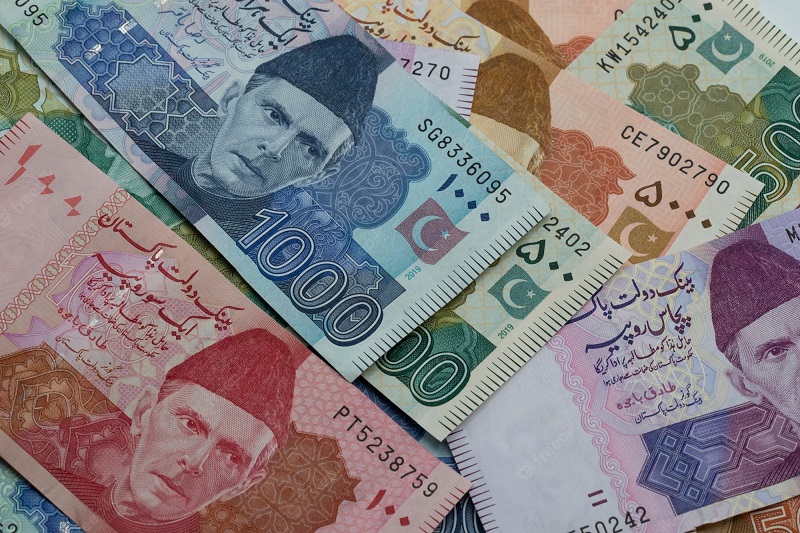

The federal cabinet has questioned the introduction of polymer banknotes and the proposed discontinuation of the Rs10 note. Members agreed that both issues need deeper review before approval. Prime Minister Shehbaz Sharif chaired the high-level meeting where these concerns were discussed.
Cabinet Raises Safety and Cost Concerns
Cabinet members expressed reservations about using polymer material for banknotes. They stressed the need to assess whether the substrate is safe for public use. Members pointed out that young children often chew banknotes, which raises health concerns. They urged authorities to study this issue carefully.
The cabinet also examined the proposal to withdraw the Rs10 banknote. Members said the plan needs detailed financial analysis. They want a clear comparison between the cost and lifespan of the Rs10 note and the Rs10 coin. Officials agreed that production costs and usability must guide the final decision.
After discussion, the cabinet decided to form a special committee. The committee will review the proposed banknote designs, materials, and denominations. It will submit its findings before any final policy move.
SBP Explains Need for New Banknote Series
The Finance Division briefed the cabinet on the background of the proposal. It said the State Bank of Pakistan introduced the current banknote series in 2005. Since then, currency security technology has advanced rapidly. Counterfeiting methods have also become more sophisticated.
The SBP Board proposed a new banknote series to address these challenges. The aim is to improve security and help the public identify genuine notes easily. The new series also seeks to enhance durability and overall appearance.
The SBP hired De La Rue International Limited from the United Kingdom to design the notes. Authorities selected the firm through a competitive process under PPRA rules.
Design Features and Polymer Pilot Plan
Officials told the cabinet that the new notes include visible security features. Higher denominations will carry a wider windowed security thread. Spark and colour-shifting effects will also appear on select notes. These features will help reduce counterfeiting.
The designs include improved watermarks, see-through elements, and tactile marks. Large numerals will assist visually impaired users. The notes also feature a refreshed portrait of Quaid-e-Azam Muhammad Ali Jinnah. Designers drew the image from the National Archives of Pakistan. Islamic geometric and floral patterns add cultural value.
The SBP Board also proposed replacing the Rs10 banknote with a coin. It cited high printing costs and a short lifespan of less than nine months. If approved, the Rs20 note would become the lowest banknote denomination.
The central bank further suggested issuing the Rs1,000 note on polymer as a trial. This step would help assess performance under local climate and usage patterns. The government will decide on wider adoption after reviewing the results.
