


Pakistani Celebrities
In the wake of escalating political tensions between India and Pakistan, a fresh wave of cultural censorship has taken hold of Indian digital platforms, as they begin systematically erasing Pakistani celebrities from promotional materials in music and film. This trend has ignited widespread outrage among fans and critics alike, who argue that art should be a bridge between people—not a casualty of politics.
Notably, Fawad Khan, a celebrated Pakistani actor and one of the few to find considerable success in Bollywood, has been among the most visibly affected. His image has been removed from the promotional poster of the hit song Budhu Sa Mann from the popular 2016 film Kapoor & Sons, in which he played a leading role.
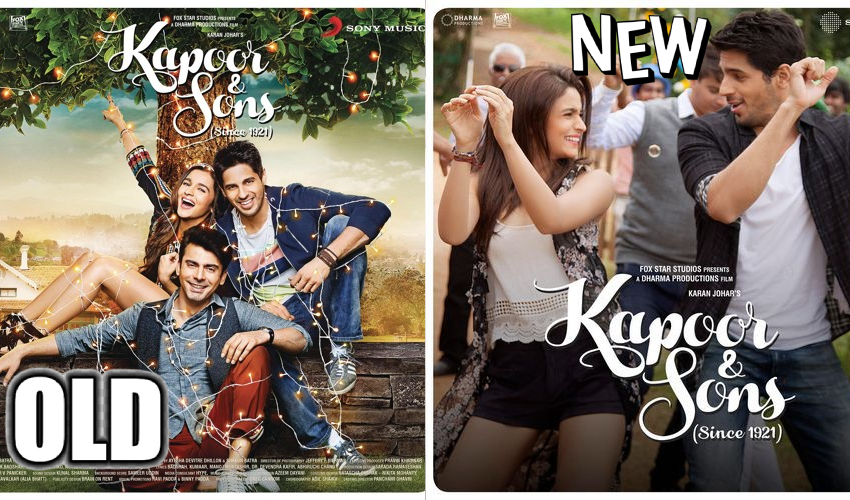
Moreover, the song itself has reportedly become inaccessible on YouTube India, raising concerns about digital censorship. Interestingly, posters from his earlier film Khoobsurat, which co-starred Sonam Kapoor, have not yet been altered—at least for now.
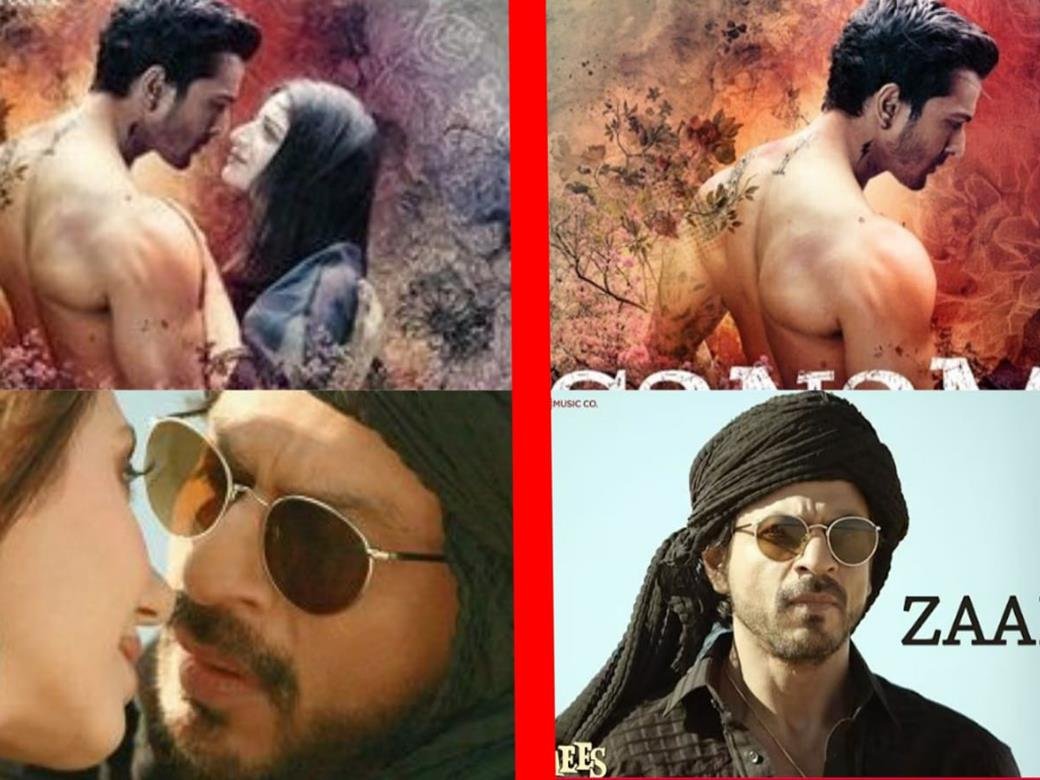
Another major target of this trend is Mahira Khan, who starred opposite Bollywood superstar Shah Rukh Khan in Raees. The updated album cover of the film now exclusively features Shah Rukh Khan, with Mahira Khan completely removed.
This edit has sparked criticism not only for undermining her contribution to the film but also for contributing to a culture of erasure that many believe is rooted in growing nationalism.
Mawra Hocane, who played the lead role in Sanam Teri Kasam, has also been affected. Her image and name have reportedly been scrubbed from promotional content on platforms like Spotify and YouTube Music.
Furthermore, insider reports suggest she has been quietly removed from the shortlist for the film’s proposed sequel, further highlighting how political decisions are impacting casting choices.
Even popular singer Atif Aslam, whose soulful voice has graced numerous Bollywood hits, has not been spared. His name has been removed from song credits across several streaming platforms, despite the fact that his songs continue to draw millions of listeners. This move has fueled backlash online, where fans have denounced what they see as unjust censorship and an unnecessary politicization of entertainment.
The erasure of Pakistani talent from Indian digital platforms has once again brought to the fore the long-standing debate over whether political rivalries should dictate artistic collaborations.
Peace advocates, artists, and audiences from both countries argue that cultural exchange through film and music has historically helped promote mutual understanding and goodwill.
“Art should unite us, not divide us,” a user posted on X (formerly Twitter), echoing the sentiments of many who believe that such decisions reflect a troubling shift towards intolerance and isolation. As tensions continue to flare, the future of cross-border artistic collaboration appears increasingly uncertain.
