

Study Challenges Long-Held Beliefs About Screen Light
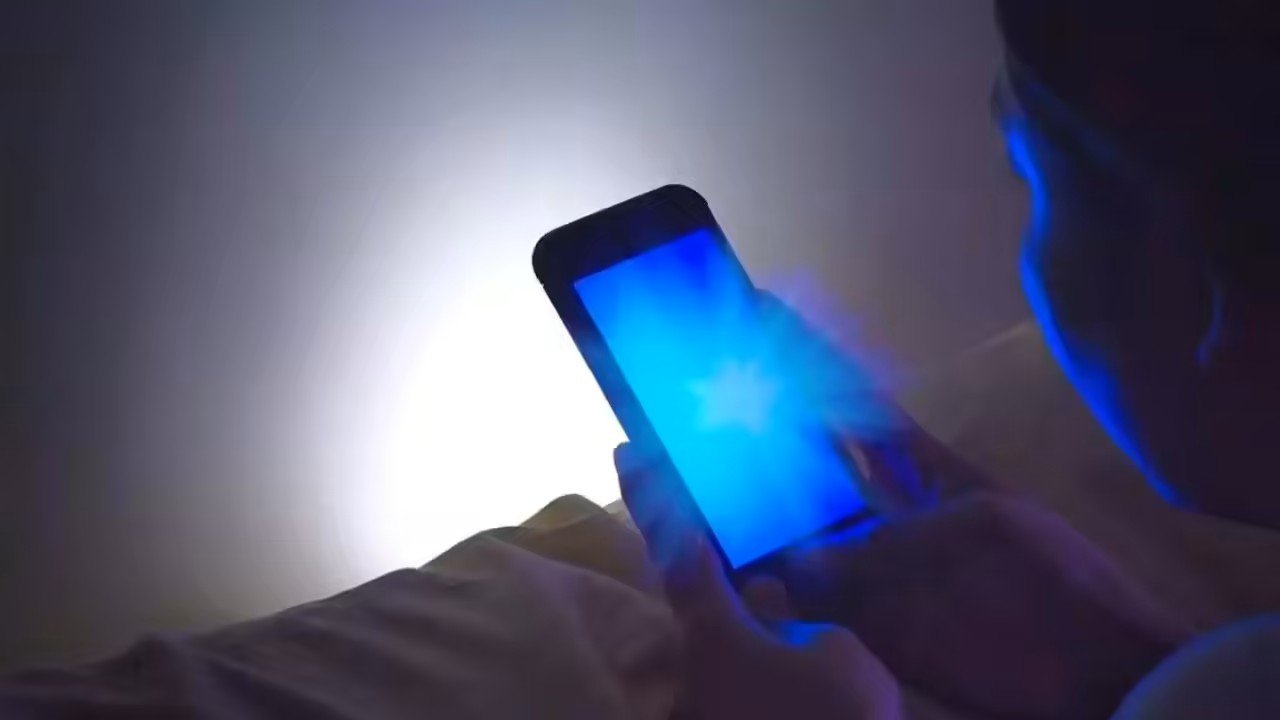
For years, blue light from phones and laptops has been blamed for sleep problems. However, new research indicates that its impact may be smaller than previously believed. Blue light does play a role in regulating the body’s internal clock, which controls sleep and wake cycles. But experts now say it may not be the primary reason for disrupted sleep.
A recent study, highlighted in a BBC report, examined how removing blue light affects sleep. Researchers used blackout curtains and special goggles to block blue light exposure at bedtime. Surprisingly, the results showed that screens had less impact on sleep quality than expected.
Earlier concerns about blue light began after a 2014 study found that people using screens before bed experienced delayed sleep and reduced melatonin levels. This hormone is essential for regulating sleep. However, scientists now believe that real-world conditions differ from controlled lab environments.
Daylight Exposure Plays a Bigger Role
Experts say that natural daylight exposure has a much stronger influence on sleep patterns than artificial screen light. According to Jamie Zeitzer from Stanford University, the light emitted from screens is relatively low in intensity. This makes it less likely to significantly disrupt sleep during nighttime use.
In contrast, outdoor light levels are far more powerful. Even on cloudy days, natural light can reach around 10,000 lux, which is much brighter than indoor lighting or phone screens. Modern lifestyles often limit exposure to sunlight, especially for people who spend most of their time indoors.
This lack of daylight can confuse the body’s internal clock. It becomes harder for the brain to distinguish between day and night. As a result, sleep patterns may become irregular. Experts recommend spending time outdoors, especially in the morning, to help regulate the body’s natural rhythm.
Screen Habits, Not Light, May Be the Real Issue
Researchers now suggest that how people use devices may be more important than the light they emit. Late-night scrolling, social media, and engaging content can keep the brain active. This mental stimulation delays sleep more than blue light exposure itself.
According to Jamie Zeitzer, people stay awake because they are engaged with content, not because of screen brightness. The habit of checking notifications or watching videos can extend bedtime without users realizing it.
To improve sleep, experts recommend a combination of healthy habits. These include reducing light exposure in the evening, dimming indoor lights, and maintaining a consistent sleep schedule. Increasing exposure to natural light during the day is also essential.
The findings suggest that focusing only on blue light may overlook other important factors. A balanced routine, including better device habits and proper light exposure, is more effective for achieving restful sleep.

