

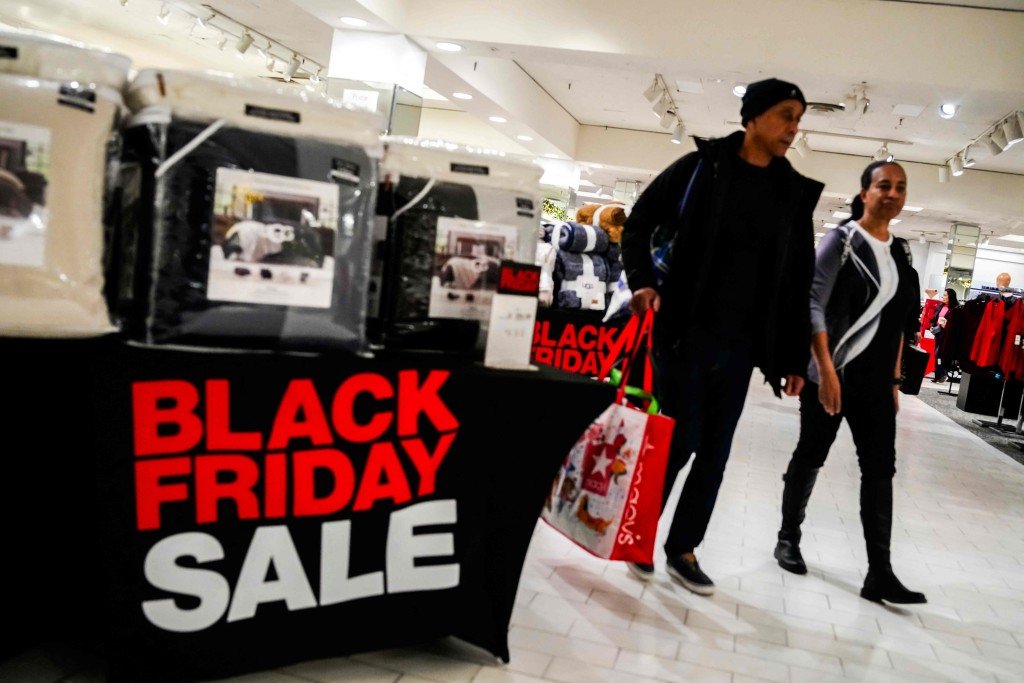

AI-powered shopping tools played a major role in driving a surge in US online spending on Black Friday, as consumers increasingly opted for digital channels to avoid crowded stores and maximize discounts amid concerns over tariff-driven price hikes.
According to Adobe Analytics, US shoppers spent a record $11.8 billion online, marking a 9.1% increase from 2024. The analytics firm tracks one trillion visits to retail websites, providing a comprehensive view of online consumer behavior.
The holiday season comes amid economic headwinds, including higher unemployment, declining consumer confidence, and tighter budgets. Despite these challenges, online sales growth outpaced in-store shopping, with Mastercard SpendingPulse reporting a 10.4% rise in e-commerce purchases compared to just 1.7% growth for brick-and-mortar stores.
AI-driven traffic to retail sites increased by an astonishing 805% from last year, fueled by new tools such as Walmart’s Sparky and Amazon’s Rufus, which guide shoppers in comparing prices, discovering deals, and making faster purchase decisions.
Popular items included LEGO sets, Pokémon cards, gaming consoles like the Nintendo Switch and PlayStation 5, and products ranging from Apple AirPods to KitchenAid mixers. Globally, AI and virtual shopping agents influenced $14.2 billion in online sales, with $3 billion accounted for in the US, according to Salesforce.
While overall spending increased, higher product prices limited demand, with consumers purchasing fewer items per transaction. Average selling prices rose 7%, units per transaction fell 2%, and order volumes declined by 1% year-over-year.
Experts note that tariffs and inflation have muted the perceived value of Black Friday discounts, especially in discretionary categories. Despite this, AI-enabled tools helped consumers identify optimal deals, making shopping more efficient and guided.
The surge in Black Friday spending sets the stage for an even larger Cyber Monday, projected to generate $14.2 billion in US online sales, a 6.3% increase from last year. Electronics, apparel, and computers are expected to see the deepest discounts, while physical stores continue to see subdued bargain-chasing due to economic uncertainty and cautious consumer behavior.
