

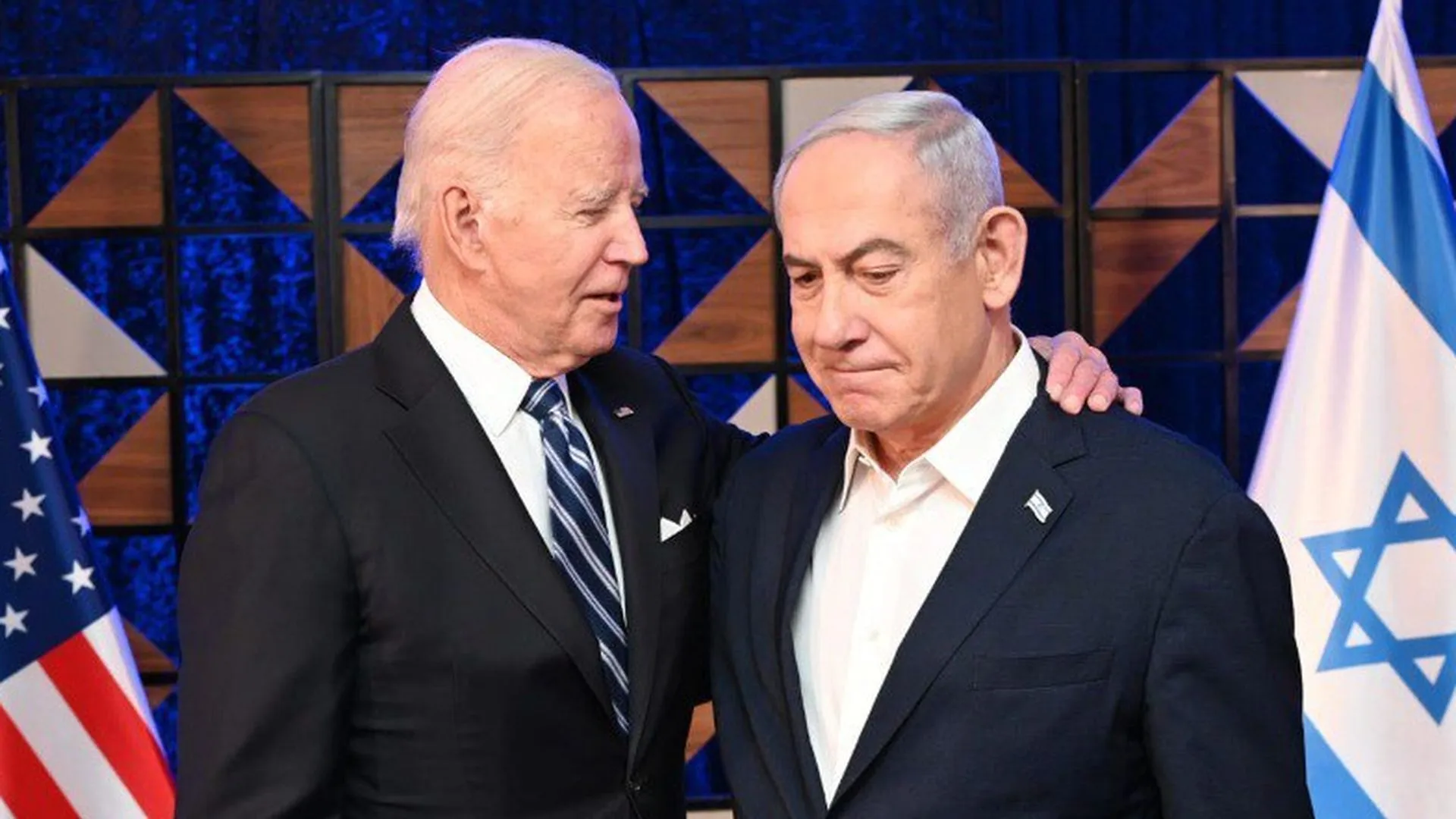

US President Joe Biden criticized Israeli Prime Minister Benjamin Netanyahu, stating that his handling of the conflict with Hamas is “hurting Israel more than helping.” Biden, while affirming his support for Israel’s right to defend itself, emphasized the need for greater attention to the loss of innocent lives resulting from the actions taken.
The President expressed concern over the significant Palestinian casualties, particularly among women and children, with over 30,000 killed and 69,465 injured in Israeli attacks on Gaza since October 7. In a contradictory exchange with an interviewer, Biden remarked that there cannot be “30,000 more Palestinians dead” as a consequence of pursuing Hamas militants.
Addressing a potential Israeli invasion of Rafah as a red line, Biden clarified that while there are limits, he would not abandon Israel, underscoring the critical importance of supporting Israel’s defense. Despite this, he urged Netanyahu to pay more attention to the innocent lives affected by the conflict.
Biden reiterated his call for a six-week ceasefire to facilitate hostage releases and aid delivery, despite stalled negotiations. During the State of the Union address, he announced plans for the US military to construct a port along the coast of Gaza, aiming to increase aid access for Palestinian civilians.
While progressives advocate for a permanent ceasefire, Biden and others argue that such an agreement could allow Hamas to regroup. Instead, the administration supports a temporary pause lasting at least six weeks, allowing for the evacuation of hostages and increased aid delivery to Gaza.
In response to criticism and voter frustration, Biden acknowledged the pleas for action but disagreed with the characterization of the situation as genocide. More than a quarter million voters expressed dissatisfaction in Democratic primaries, signaling discontent with Biden’s handling of the Israel-Hamas conflict.
Biden acknowledged the urgency to address the humanitarian crisis, balancing support for Israel’s defense with calls for a ceasefire and aid delivery. The complexity of the situation underscores the challenges in finding a resolution that satisfies various stakeholders.
