

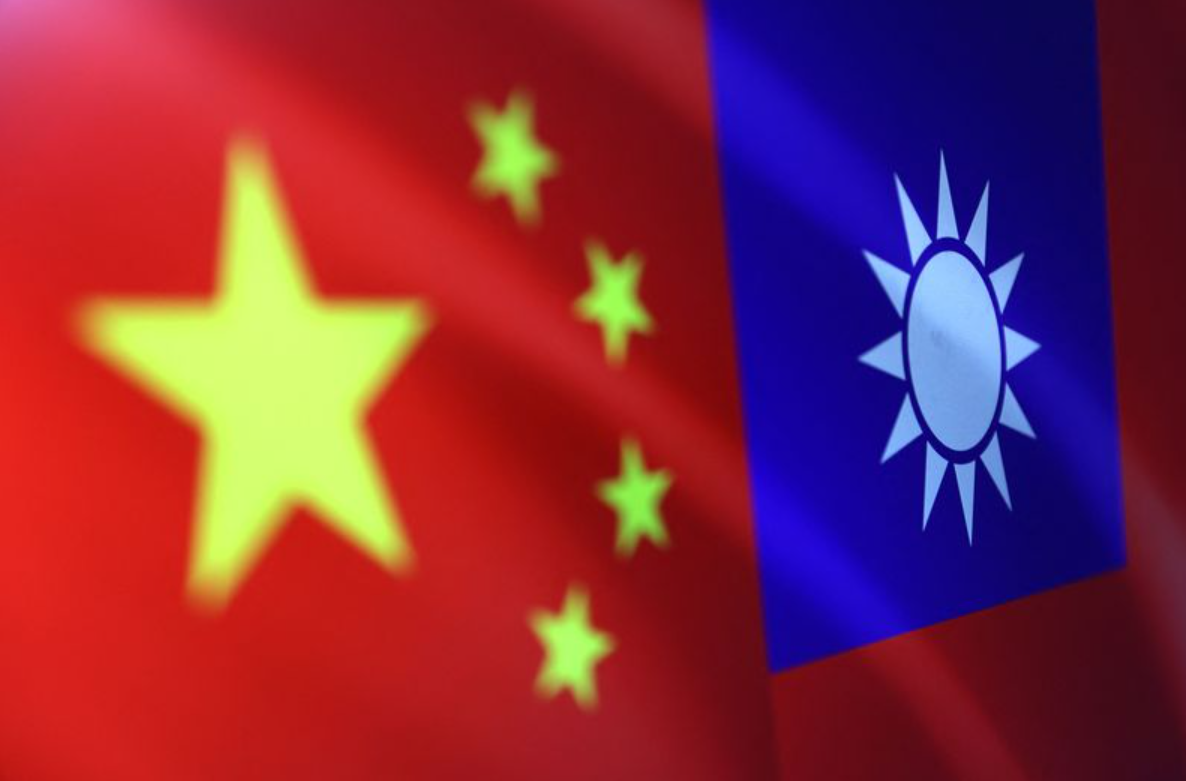

Taiwan has accused China of using recent large-scale military exercises as a political tool rather than a defensive move. Officials claim the drills were intended to weaken international backing for Taiwan while diverting attention from China’s internal economic challenges.
According to Taiwan’s top security agency, the war games, named “Justice Mission 2025,” formed part of a broader campaign. The drills reportedly aimed to reshape global perceptions and reduce diplomatic support for Taipei. At the same time, officials said Beijing sought to redirect domestic frustration into nationalist sentiment.
The exercises involved missile launches and extensive naval and air deployments around Taiwan. As a result, regional transport routes faced disruptions, while neighbouring allies expressed serious concern. Flights were affected, and maritime activity slowed in several nearby zones.
Strategy Beyond Military Pressure
A report submitted to Taiwan’s parliament stated that the drills carried a clear political message. Authorities believe China intended to counter growing support from democratic partners. Moreover, the report suggested that Beijing wanted to frame international backing for Taiwan as foreign interference.
Taiwanese officials argued that such actions fit a growing pattern. China increasingly combines military force with economic leverage and information campaigns. This blended approach, often described as a hybrid strategy, seeks to apply pressure without direct conflict.
Meanwhile, regional leaders have warned about wider consequences. Japan’s prime minister recently stated that a Chinese attack on Taiwan could threaten Japan’s survival. This comment highlighted how tensions around Taiwan extend beyond the island itself.
Information Warfare Intensifies
Taiwan’s security agencies also raised concerns about information manipulation during the drills. They reported an increase in coordinated online activity aimed at undermining public confidence. These efforts targeted Taiwan’s military readiness, political leadership, and international partnerships.
Officials stated that thousands of controversial messages appeared online within days. Hundreds of coordinated accounts amplified divisive narratives across digital platforms. Authorities said these messages attempted to weaken morale and spread doubt among citizens.
In addition, Taiwan faced a surge in cyberattacks during the initial phase of the drills. More than two million attacks were recorded within two days. Security agencies linked several operations to groups associated with China’s military.
According to the report, these cyber operations aimed to destabilise Taiwan’s digital infrastructure. Officials warned that such actions could disrupt essential services during heightened tensions.
Beijing’s Position
China did not directly address Taiwan’s accusations. However, officials stated that the exercises were conducted to protect national sovereignty. Beijing described the drills as necessary to safeguard territorial integrity.
China continues to claim Taiwan as part of its territory. It has also refused to rule out the use of force. In contrast, Taiwan maintains that only its people can decide the island’s future.
As tensions persist, analysts warn that military exercises now serve broader political goals. Taiwan believes the latest drills were designed to shape narratives, not just display power. Consequently, regional stability remains fragile, with diplomatic trust under growing strain.
