

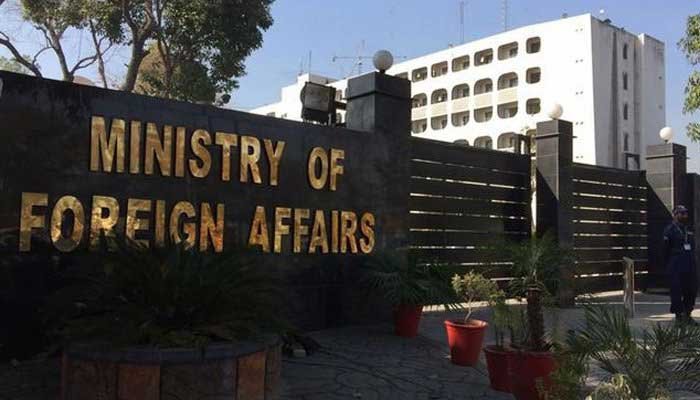

Pakistan on Friday strongly rejected India’s attempt to link US President Donald Trump’s recent remarks on nuclear tests with Pakistan’s nuclear programme, describing such claims as “misleading and politically motivated.”
Foreign Office Spokesperson Tahir Andrabi said India was deliberately “distorting facts and misrepresenting” the statements for domestic political purposes.
He clarified that Pakistan’s last nuclear tests were conducted in May 1998 and that the country’s stance on nuclear testing has remained consistent and well established. Washington, he added, had already clarified its position regarding President Trump’s comments.
Andrabi emphasized that Pakistan’s nuclear programme operates under a robust command and control system and fully complies with international non-proliferation norms.
He categorically dismissed Indian allegations of secret nuclear tests as “baseless and malicious,” calling them part of a deliberate disinformation campaign aimed at diverting attention from New Delhi’s own “irresponsible and unsafe nuclear practices.”
The spokesperson highlighted concerns over India’s nuclear safety record, citing repeated incidents of theft and illegal trafficking of radioactive materials, including Californium—a highly dangerous substance reportedly valued at over $100 million on the black market. Andrabi warned that such lapses in India posed a serious threat to regional and global security.
He urged the international community to pay serious attention to these recurring incidents of nuclear material theft in India, stressing that they not only undermine regional stability but also raise broader concerns regarding nuclear safety and responsible management of sensitive materials.
Andrabi reiterated Pakistan’s commitment to maintaining a safe, secure, and transparent nuclear programme, underscoring that the country remains dedicated to upholding international norms and standards. He concluded by reaffirming Pakistan’s call for accountability and vigilance in nuclear matters to ensure peace and security in South Asia and beyond.
This response came amid India’s attempts to exploit international commentary for domestic political purposes, reflecting ongoing tensions and the need for careful management of nuclear information and perceptions.
