

Although both sides previously confirmed reaching a settlement in principle, financial details were disclosed later through court filings. The settlement still requires approval from a federal judge before becoming final.
The case represents another significant legal development connected to Epstein’s long-running network of alleged abuse and financial dealings.
Bank Responds While Denying Allegations
Bank of America stated that the settlement does not represent an admission of wrongdoing. According to the bank, it maintains that it did not facilitate sex trafficking activities.
However, the institution said resolving the matter allows all parties to move forward. The bank added that the agreement provides closure for plaintiffs while ending prolonged litigation.
Such settlements often occur to avoid extended legal proceedings, even when liability remains disputed.
Plaintiffs Cite Need for Financial Relief
Lawyers representing the women described the agreement as the most practical outcome for their clients. Many plaintiffs experienced harm years ago and sought timely compensation.
They argued that continuing litigation could delay relief further. Therefore, accepting the settlement ensured faster financial support for affected individuals.
Court records show that plaintiffs’ attorneys may request up to 30 percent of the settlement amount as legal fees. This share could total approximately $21.8 million, subject to judicial approval.
Origins of the Lawsuit
The proposed class-action lawsuit was filed in October by a woman using the pseudonym Jane Doe. She alleged that Bank of America ignored suspicious financial transactions connected to Epstein.
According to the complaint, the bank allegedly prioritized profits despite widespread information about Epstein’s misconduct. The lawsuit claimed the bank knowingly benefited from trafficking-related activities.
Bank of America rejected these accusations. It argued that it provided routine banking services to individuals without confirmed links to Epstein at the time.
Court Ruling Allowed Case to Proceed
Earlier this year, a federal judge ruled that the case could move forward. The decision allowed claims under the Trafficking Victims Protection Act to proceed toward potential trial.
The ruling increased legal pressure on the bank. Consequently, settlement negotiations accelerated in the following months.
Among the transactions highlighted were payments made to Epstein by billionaire investor Leon Black. Black previously stepped down as chief executive of Apollo Global Management after an external review revealed large payments to Epstein for professional services.
Black has denied wrongdoing and said he was unaware of Epstein’s criminal conduct.
Part of Wider Legal Actions Against Financial Institutions
The lawsuit forms part of broader legal efforts targeting institutions accused of enabling Epstein’s activities. Plaintiffs’ lawyers previously secured major settlements from other global banks.
In 2023, agreements worth $290 million with JPMorgan Chase and $75 million with Deutsche Bank were reached on behalf of Epstein’s accusers.
Legal teams continue pursuing additional cases tied to alleged financial facilitators. Appeals remain ongoing in related litigation involving other banking institutions.
Background: Epstein’s Death and Continuing Legal Fallout
Jeffrey Epstein died in a Manhattan jail cell in August 2019 while awaiting trial on federal sex trafficking charges. Authorities ruled his death a suicide.
Despite his death, civil lawsuits have continued worldwide. Survivors have increasingly targeted institutions they claim enabled or overlooked suspicious financial activity.
As a result, financial accountability has become a central focus in post-Epstein litigation.
What Happens Next
The settlement now awaits judicial approval. If approved, compensation will be distributed among eligible class members under court supervision.
The agreement could close another chapter in Epstein-related legal battles. Nevertheless, lawsuits connected to his network continue shaping accountability debates within the global banking sector.
For now, the settlement signals a move toward resolution while leaving broader legal and ethical questions under ongoing scrutiny.
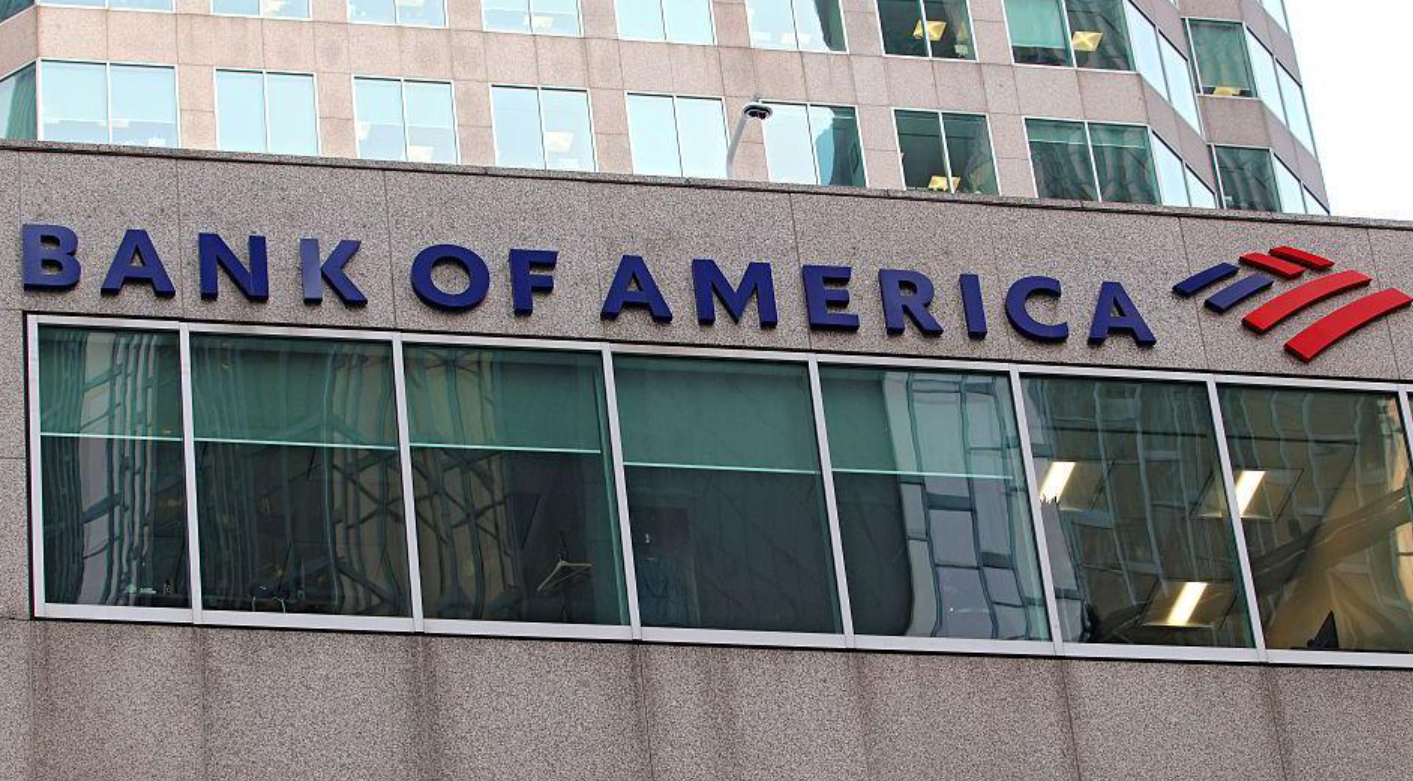
Bank of America has agreed to pay $72.5 million to settle a civil lawsuit filed by women accusing the bank of enabling abuse linked to Jeffrey Epstein. The agreement follows negotiations between the bank and the plaintiffs’ legal team.
Although both sides previously confirmed reaching a settlement in principle, financial details were disclosed later through court filings. The settlement still requires approval from a federal judge before becoming final.
The case represents another significant legal development connected to Epstein’s long-running network of alleged abuse and financial dealings.
Bank Responds While Denying Allegations
Bank of America stated that the settlement does not represent an admission of wrongdoing. According to the bank, it maintains that it did not facilitate sex trafficking activities.
However, the institution said resolving the matter allows all parties to move forward. The bank added that the agreement provides closure for plaintiffs while ending prolonged litigation.
Such settlements often occur to avoid extended legal proceedings, even when liability remains disputed.
Plaintiffs Cite Need for Financial Relief
Lawyers representing the women described the agreement as the most practical outcome for their clients. Many plaintiffs experienced harm years ago and sought timely compensation.
They argued that continuing litigation could delay relief further. Therefore, accepting the settlement ensured faster financial support for affected individuals.
Court records show that plaintiffs’ attorneys may request up to 30 percent of the settlement amount as legal fees. This share could total approximately $21.8 million, subject to judicial approval.
Origins of the Lawsuit
The proposed class-action lawsuit was filed in October by a woman using the pseudonym Jane Doe. She alleged that Bank of America ignored suspicious financial transactions connected to Epstein.
According to the complaint, the bank allegedly prioritized profits despite widespread information about Epstein’s misconduct. The lawsuit claimed the bank knowingly benefited from trafficking-related activities.
Bank of America rejected these accusations. It argued that it provided routine banking services to individuals without confirmed links to Epstein at the time.
Court Ruling Allowed Case to Proceed
Earlier this year, a federal judge ruled that the case could move forward. The decision allowed claims under the Trafficking Victims Protection Act to proceed toward potential trial.
The ruling increased legal pressure on the bank. Consequently, settlement negotiations accelerated in the following months.
Among the transactions highlighted were payments made to Epstein by billionaire investor Leon Black. Black previously stepped down as chief executive of Apollo Global Management after an external review revealed large payments to Epstein for professional services.
Black has denied wrongdoing and said he was unaware of Epstein’s criminal conduct.
Part of Wider Legal Actions Against Financial Institutions
The lawsuit forms part of broader legal efforts targeting institutions accused of enabling Epstein’s activities. Plaintiffs’ lawyers previously secured major settlements from other global banks.
In 2023, agreements worth $290 million with JPMorgan Chase and $75 million with Deutsche Bank were reached on behalf of Epstein’s accusers.
Legal teams continue pursuing additional cases tied to alleged financial facilitators. Appeals remain ongoing in related litigation involving other banking institutions.
Background: Epstein’s Death and Continuing Legal Fallout
Jeffrey Epstein died in a Manhattan jail cell in August 2019 while awaiting trial on federal sex trafficking charges. Authorities ruled his death a suicide.
Despite his death, civil lawsuits have continued worldwide. Survivors have increasingly targeted institutions they claim enabled or overlooked suspicious financial activity.
As a result, financial accountability has become a central focus in post-Epstein litigation.
What Happens Next
The settlement now awaits judicial approval. If approved, compensation will be distributed among eligible class members under court supervision.
The agreement could close another chapter in Epstein-related legal battles. Nevertheless, lawsuits connected to his network continue shaping accountability debates within the global banking sector.
For now, the settlement signals a move toward resolution while leaving broader legal and ethical questions under ongoing scrutiny.

