

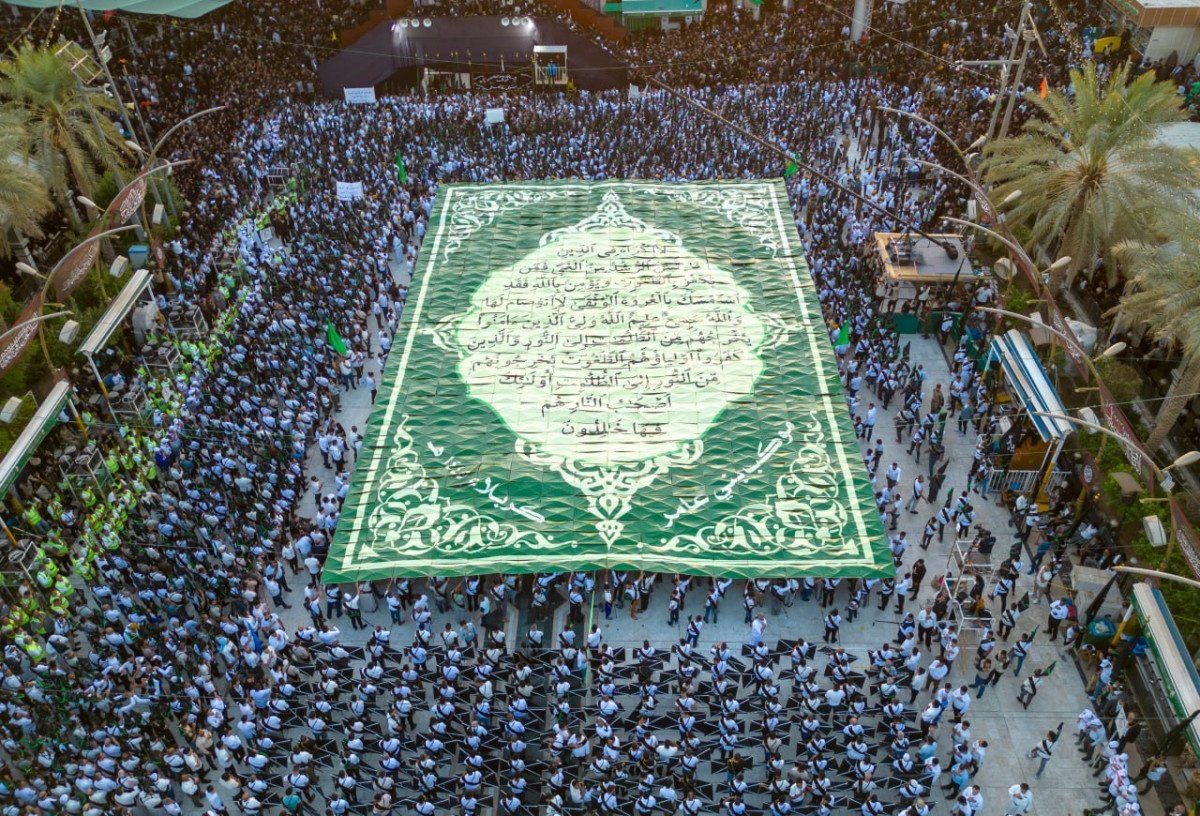

The interior ministers of Pakistan, Iran, and Iraq have reached a trilateral agreement to implement stricter regulations aimed at securing and streamlining pilgrimage travel across their borders. This includes a ban on individual Pakistani pilgrims from traveling to Iraq.
As part of the new framework, individual travel from Pakistan to Iraq for pilgrimage purposes will no longer be allowed. Starting January 1, 2026, all Pakistani pilgrims must travel under the supervision of registered Group Organizers, who will also be responsible for ensuring their return. Exceptions will only be made for individuals holding special visas issued by the Iraqi embassy.
The decision was finalized during a high-level trilateral conference held in Tehran, focused on enhancing coordination and support for religious pilgrims visiting holy sites in Iran and Iraq. The three countries unanimously agreed to establish a joint working group to oversee implementation and operational matters, especially during mass pilgrimage events such as Arbaeen.
Improving Security and Logistics for Pilgrims
According to officials, the new group-based travel model aims to reduce illegal border crossings, prevent overstays, and enhance the overall pilgrimage experience through improved logistical planning and security oversight.
“The system is designed to provide pilgrims with a safer, more organized journey while addressing concerns over undocumented travel,” said Pakistan’s Federal Interior Minister Mohsin Naqvi, who represented Islamabad at the summit.
Naqvi expressed appreciation to Iranian Interior Minister Eskandar Momeni for hosting the conference at Pakistan’s request and emphasized the significance of religious pilgrimage in regional relations. He also announced the upcoming policy reforms, stressing the commitment of all three nations to facilitate dignified and lawful pilgrim movement.
Solidarity and Cooperation
During the conference, Naqvi also extended congratulations to Iran on its recent military success, praising the leadership of Supreme Leader Ayatollah Khamenei and reiterating Pakistan’s unwavering support during the conflict.
“Pakistan has always stood with Iran, condemned the aggression it faced, and backed its right to self-defense on all international platforms,” he noted.
He further lauded the governments of Iran and Iraq for their effective management of millions of pilgrims each year, assuring Pakistan’s continued collaboration in pilgrim-related matters.
Key Attendees and Regional Impact
The conference was attended by several high-ranking dignitaries, including:
- Iranian Deputy Interior Minister Ali Akbar Pourjamshidian
- Senior Iranian Advisor Nader Yar Ahmadi
- Iran’s Ambassador to Pakistan Amiri Moghaddam
- Pakistan’s Ambassador to Iran Muhammad Mudassir Tipu
- Pakistan Interior Secretary Khurram Agha
- Senior officials from Iraq’s Ministry of Interior
The summit represents a significant step toward regional cooperation in religious tourism, prioritizing safety, structure, and shared responsibility among the three nations.
