

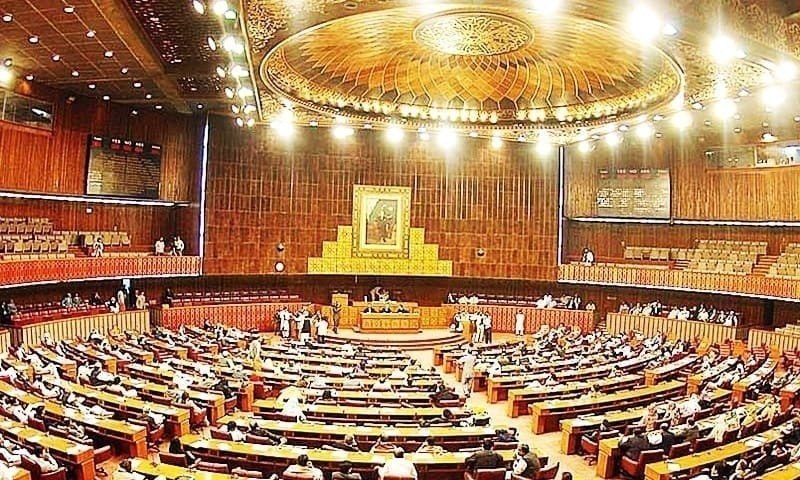

Pakistan Tehreek-i-Insaf (PTI) is actively debating a possible return to parliamentary standing committees, months after withdrawing from them on the directives of its jailed founder, Imran Khan. The discussion has gained momentum following the appointment of leaders of the opposition in both the National Assembly and the Senate. Party insiders say a majority of PTI lawmakers now believe the earlier decision weakened the party’s role as an effective opposition.
Senior PTI leaders argue that staying out of parliamentary committees has reduced oversight of government policies. According to PTI , their absence allowed the ruling alliance to operate unchecked, especially within influential accountability bodies . However, the final call rests with Imran Khan, whose approval is considered essential before any formal move is made.
Political analysts suggest the decision is likely to be taken after PTI’s planned countrywide protest on February 8. Many believe the protest’s impact may shape Khan’s strategy on whether the party should re-engage with parliamentary mechanisms.
Pressure Builds to Reclaim Key Committees
Before its withdrawal in August last year, PTI chaired more than a dozen standing committees in the National Assembly and five in the Senate. These included influential panels such as the Public Accounts Committee (PAC), finance, law and justice, and human rights. Party leaders now admit that vacating these positions allowed the government to operate with limited parliamentary scrutiny.
A senior PTI leader, speaking anonymously, said many within the party regret leaving the committees. He said the PAC, in particular, had been a powerful platform to highlight alleged financial irregularities. According to him, surrendering such forums undermined PTI’s ability to challenge the government institutionally.
He also pointed out that PTI lawmakers face difficulties raising issues of police excesses and alleged mistreatment. Without representation in privilege committees, party members lack formal channels to seek redress. This, he argued, has further marginalised PTI inside parliament.
All Decisions Linked to Jail Meeting with Imran Khan
PTI Chief Whip Aamir Dogar confirmed that all pending strategic decisions are tied to a proposed meeting between Imran Khan and party leaders in jail. He said lawmakers want to brief the former prime minister on the consequences of staying away from committees and convince him to allow a return.
Meanwhile, newly appointed Leader of the Opposition in the National Assembly, Mehmood Achakzai, has avoided commenting on the issue. PTI acting chairman Barrister Gohar Ali stated that the parliamentary party would formally decide the matter, though insiders acknowledge that Khan’s approval remains decisive.
Observers note similarities between this situation and PTI’s 2022 decision to quit parliament after the no-confidence vote. Analysts argue that withdrawing from committees did not disrupt parliamentary functioning. Quorum requirements were still met, and treasury members filled vacant slots. As a result, PTI’s absence largely hurt the party itself.
Analysts Urge PTI to Play Active Parliamentary Role
Ahmed Bilal Mehboob, head of the Pakistan Institute of Legislative Development and Transparency (Pildat), said PTI leaders lack the authority to act independently. He highlighted that few within the party openly disagree with Imran Khan’s stance. Mehboob stressed that democratic norms require a strong opposition presence in standing committees.
He added that the absence of opposition voices weakens parliamentary oversight and debate quality. According to him, Imran Khan is expected to evaluate the success of the February 8 protest before deciding.
Sources in the National Assembly Secretariat revealed that Speaker Ayaz Sadiq has repeatedly encouraged PTI to rejoin the committees. Officials say the secretariat would welcome the party’s return, viewing it as essential for healthier parliamentary functioning.
