

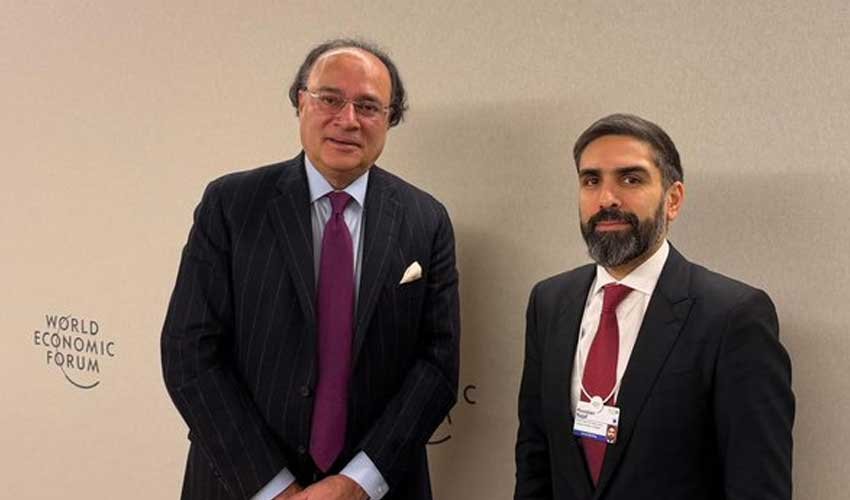

Azerbaijan’s state-owned energy giant, the State Oil Company of the Republic of Azerbaijan (SOCAR), has expressed interest in investing in Pakistan’s oil and gas sector, signaling potential momentum for bilateral energy cooperation. The indication came during a high-level interaction on the sidelines of the 26th annual World Economic Forum meeting in Davos.
SOCAR representatives conveyed their interest in a meeting with Federal Minister for Finance Muhammad Aurangzeb, officials said on Thursday. The discussion focused on opportunities in Pakistan’s energy market, particularly in oil, gas, and liquefied natural gas supply chains. As a result, both sides explored ways to enhance collaboration and attract long-term investment.
Adviser to the finance minister Khurram Shehzad said SOCAR’s potential involvement could significantly strengthen cooperation between the two countries in LNG imports, petroleum supply, and the broader energy sector. He noted that SOCAR is Azerbaijan’s largest company, with total assets valued at around 57 billion dollars, underscoring its capacity to undertake large-scale investments.
Moreover, officials believe the expression of interest by a major international energy firm could help improve Pakistan’s global standing among investors. They said such engagement would likely raise confidence in Pakistan’s energy sector at a time when the country seeks diversification, modernisation, and stability in energy supplies.
Pakistan has been actively pursuing foreign investment to address energy shortages, reduce import costs, and support sustainable economic growth. Therefore, partnerships with established global companies remain a key priority for policymakers.
Analysts say SOCAR’s interest reflects Pakistan’s strategic location and growing demand for energy. If discussions progress, the cooperation could contribute to improved energy security, increased foreign direct investment, and stronger economic ties between Pakistan and Azerbaijan.
SOCAR signals interest in Pakistan energy investment, boosting investor confidence, LNG cooperation, and prospects for stronger bilateral economic and energy ties
