
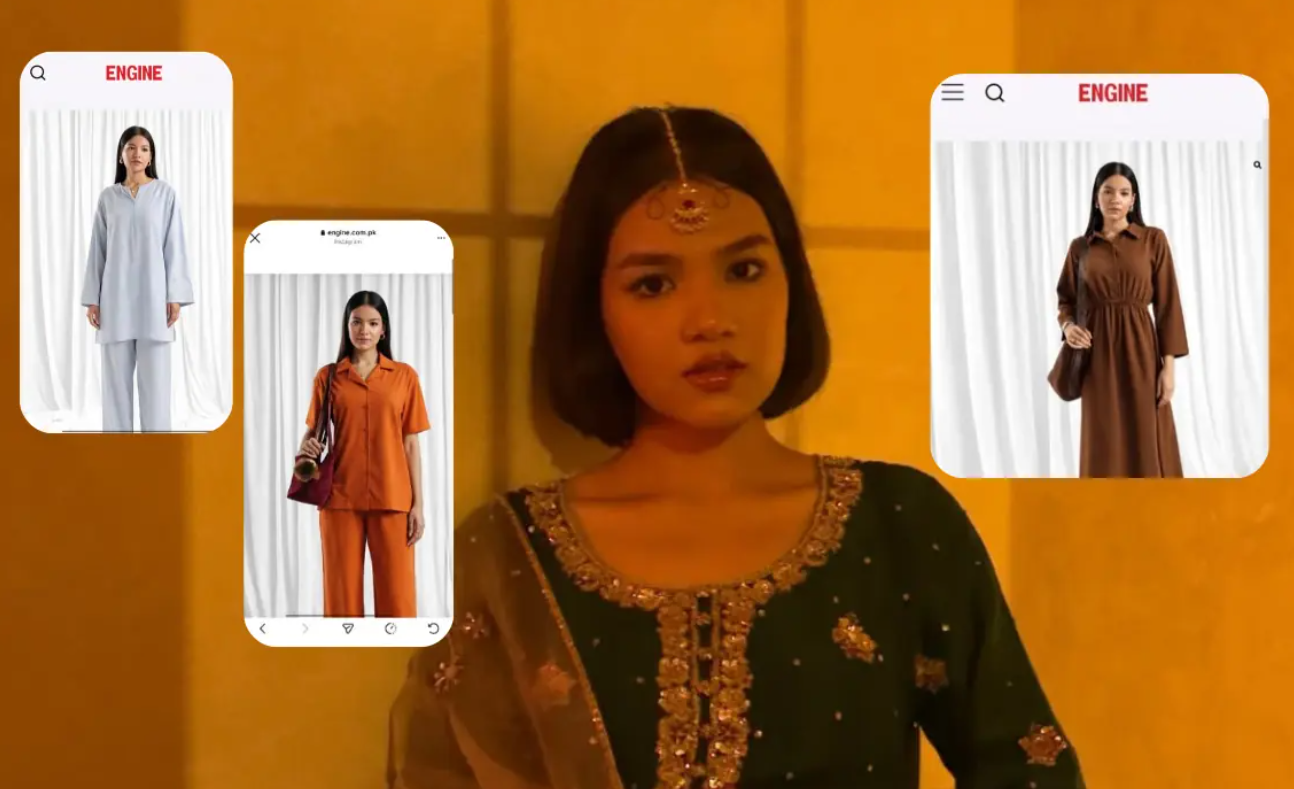

AI-generated imagery is increasingly sparking privacy debates, and content creator Ayesha Tahir has now made headlines over alleged misuse of her likeness. Tahir claims that her face was digitally replicated without consent by the clothing brand Engine Pakistan for promoting its latest collection.
In an Instagram post, Tahir explained that she had no involvement in the visuals used. “I need to address something that doesn’t sit right with me,” she wrote. “A brand I’ve worked with before, Engine Pakistan, is currently using my face in AI-generated images for their new collection. I have not done any shoot for this collection, nor did I give permission for my likeness to be used.”
She further stated that she initially attempted to resolve the issue privately with the brand. However, receiving no response, she decided to address it publicly. Her post emphasizes the importance of consent in both real and digitally created content.
“Consent should always come first, whether the content is real or digitally created,” Tahir said. She urged brands and creators to acknowledge the ethical implications of using AI-generated imagery and handle such matters responsibly.
AI content, while offering creative possibilities, has increasingly blurred lines regarding personal rights. Experts argue that unauthorized use of someone’s face, even digitally, constitutes a serious privacy violation. Tahir’s case highlights the growing concern among influencers and digital creators over how AI can be misused for marketing purposes without proper consent.
The issue also raises questions about the legal frameworks surrounding AI-generated content. While copyright and personal rights laws exist, enforcement remains challenging in cases of deepfake or AI-recreated images. Cases like Tahir’s may set new precedents and push brands to adopt stricter internal policies for AI content.
Social media users and industry professionals have voiced mixed reactions, with many expressing support for Tahir and urging ethical standards. The discussion also underscores the need for public awareness about AI image ethics, especially in marketing and advertising sectors.
As AI technology becomes more accessible, content creators like Ayesha Tahir are advocating for clear consent protocols. Her public stance reinforces the message that digital likenesses should never be exploited without permission, ensuring ethical use of AI while protecting personal privacy.
This incident is likely to prompt brands in Pakistan and beyond to rethink the use of AI-generated promotional material, balancing innovation with respect for individual rights.

