

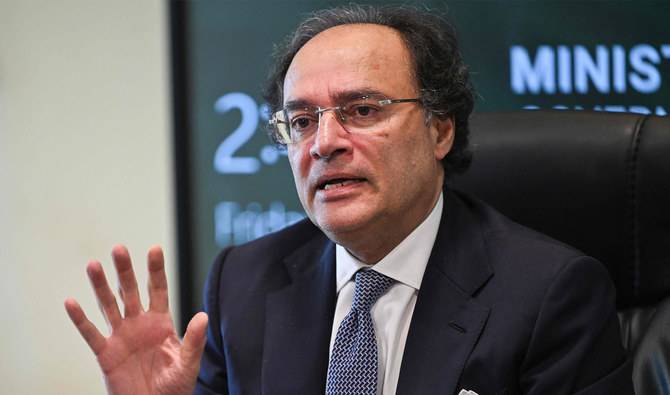

Finance Minister Muhammad Aurangzeb has outlined the government’s economic strategy, acknowledging the country’s challenges while emphasizing key initiatives. In a briefing to the Standing Committee on Finance, Aurangzeb noted improvements in the macroeconomic situation last fiscal year, highlighting stable foreign exchange reserves despite delays in the 2023 IMF program that affected reserves and the rupee’s value.
Aurangzeb expressed optimism about Pakistan’s economic prospects, citing international support and positive stock exchange performance. He stressed the need to raise the tax-to-GDP ratio from 9% to 13%, acknowledging resistance to necessary economic measures across sectors.
The Minister detailed efforts to broaden the tax base, including plans for agricultural income tax, with cooperation from provincial finance ministers. He defended the IMF’s push for taxes based on actual income as prudent. Aurangzeb assured efforts to rebuild confidence in the Federal Board of Revenue and meet IMF revenue targets.
Acknowledging the burden of debt and interest payments, Aurangzeb proposed public-private partnerships for development and a new pension scheme for government employees. He also highlighted military service restructuring and plans to eliminate five ministries and the Public Works Department due to financial losses.
Negotiations with the IMF are progressing, with expectations of a deal soon. Aurangzeb clarified no restrictions on LCs and affirmed taxes on electricity bills include income and sales taxes.
