

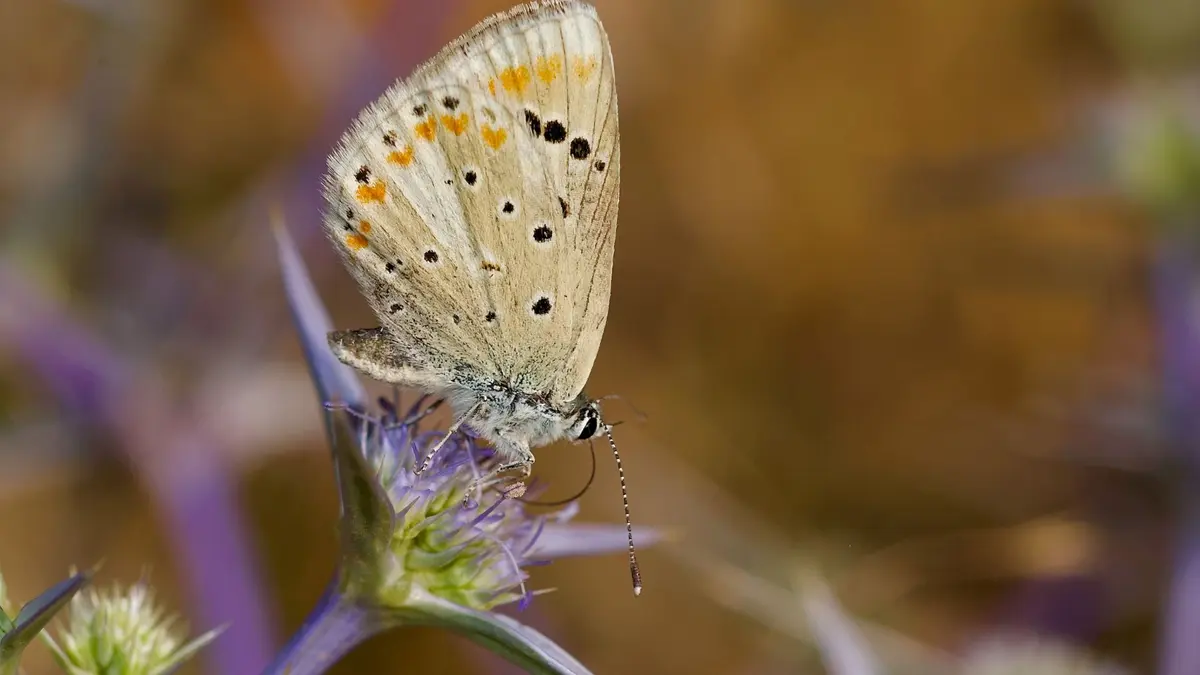

A small butterfly from North Africa hides a vast genetic story. The Atlas blue butterfly, known scientifically as Polyommatus atlantica, carries more chromosomes than any other multicellular animal ever studied. Scientists recently sequenced its genome and confirmed it possesses a staggering 229 chromosome pairs. This discovery not only sets a world record but also opens new avenues for understanding evolution, adaptation, and survival.
The Butterfly With a Genetic Record
The Atlas blue butterfly lives in the mountain ranges of Morocco and northeastern Algeria. While its close relatives, such as the common blue butterfly, have only 24 chromosome pairs, this species carries almost ten times that number. Researchers discovered that its chromosomes did not duplicate but instead split repeatedly over about three million years.
Splits occurred where DNA was loosely packed, leaving the sex chromosomes intact while other chromosomes fractured into smaller pieces. This unusual genetic architecture provided a unique opportunity to study how species adapt and evolve under extreme circumstances.
Why So Many Chromosomes Matter
Chromosome changes can help species diversify and adapt. In the case of the Atlas blue butterfly, splitting created genetic variety that may have accelerated the formation of new species. While more chromosomes can increase DNA reshuffling, they also bring risks by making genetic management more complex.
Scientists believe the butterfly’s high chromosome count may help explain why its group produced many related species in a short time. The findings are helping researchers uncover the delicate balance between adaptation and genetic vulnerability.
Lessons for Evolution and Health
Studying this butterfly’s genome could also provide insights into human health. Chromosome breakage and rearrangement occur in cancers when DNA segments are reorganized. By comparing butterflies with cancer cells, researchers may learn how to slow or prevent harmful processes in humans.
Experts emphasize that genomes are not just a record of the past but also a roadmap for the future. Understanding how species with complex genetic systems survive can guide both conservation efforts and medical research.
Conservation Challenges Ahead
Despite its remarkable genetic resilience, the Atlas blue butterfly faces serious environmental threats. Habitat loss caused by the destruction of cedar forests, overgrazing, and climate change puts its survival at risk. Sequencing its genome now offers conservationists a powerful tool to predict how the species might respond to warming conditions.
Scientists also suggest that insights gained from this butterfly could help develop crops capable of withstanding environmental stress. Its genetic story, though unique, may offer lessons that extend far beyond butterflies.
A Window Into Nature’s Extremes
The Atlas blue butterfly may be small, but its DNA carries a message about evolution’s limitless creativity. With 229 chromosome pairs, it has redefined the boundaries of what is possible in multicellular life. By studying its extreme genome, researchers hope to uncover how species adapt, survive, and thrive in changing environments.
This butterfly’s story reminds us that even the tiniest creatures can reveal the biggest secrets about life’s complexity. From conservation to medicine, the lessons hidden in its DNA could shape both science and survival in the years ahead.
