

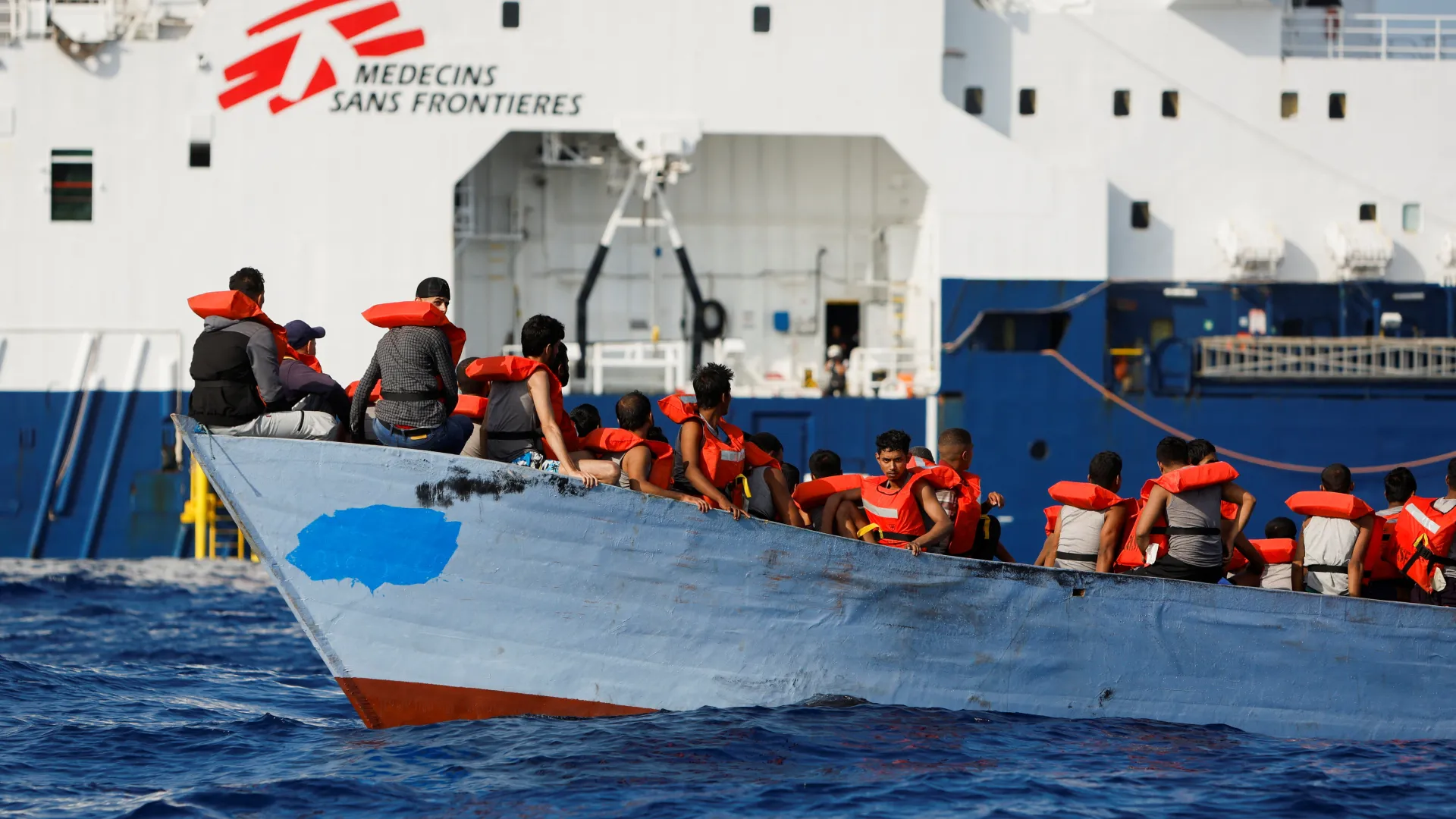

At least 18 migrants have died and around 50 others are missing after a boat capsized off the coast of Tobruk, a city in eastern Libya near the Egyptian border, the International Organization for Migration (IOM) confirmed on Tuesday. The tragedy occurred over the weekend and highlights the ongoing peril faced by migrants attempting to cross the Mediterranean.
According to IOM reports, only ten survivors have been located so far. Search and rescue operations are continuing, but the chances of finding more survivors are diminishing with each passing hour.
“This latest tragedy is a stark reminder of the deadly risks people are forced to take in search of safety and opportunity,” the IOM stated. “Libya remains a major transit point for migrants and refugees, many of whom face exploitation, abuse, and life-threatening journeys.”
Libya has long served as a gateway for migrants from Africa and parts of Asia trying to reach Europe, especially after the fall of Muammar Gaddafi in 2011. The country’s ongoing instability and lack of effective governance have made it a hotspot for human trafficking and irregular migration.
This shipwreck is the latest in a series of deadly maritime disasters involving migrants. Just last month, two separate wrecks off Libya’s coast claimed the lives of at least 60 migrants. One boat sank near Tripoli on June 12, leaving 21 people — including women and children — missing. Only five survivors were rescued. The second incident occurred off the coast of Tobruk, where a single survivor reported that 39 others had drowned.
In February, a vessel carrying around 65 migrants capsized near Marsa Dela port, northwest of Zawiya. Many of the victims were believed to be from Pakistan. A month earlier, another deadly incident occurred off the coast of Morocco, where over 40 Pakistanis were allegedly murdered by human traffickers after their boat capsized. Only 22 survived, and the bodies of 13 Pakistanis were officially identified.
These repeated tragedies underscore the growing humanitarian crisis along migrant routes in North Africa, where desperation, trafficking networks, and the absence of legal pathways continue to fuel deadly journeys across the Mediterranean.
