

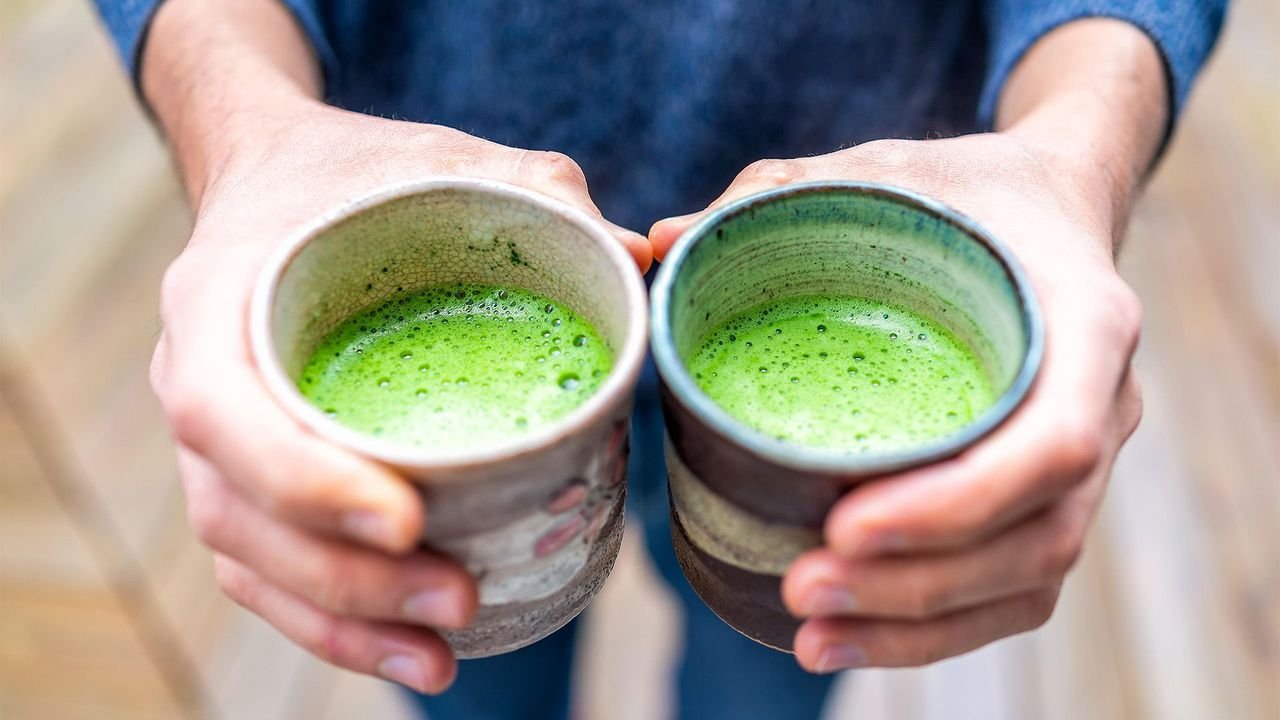

Matcha, the finely ground green tea powder rooted in Japanese tradition, has become the drink of choice in trendy cafés and wellness circles worldwide. But as its global popularity soars, Japan’s producers are struggling to keep up with the ever-increasing demand.
What is Matcha?
Derived from the Japanese term meaning “ground tea,” matcha is a bright green powder whisked into hot water or blended with milk to make creamy lattes. Though green tea arrived in Japan from China during the 9th century for medicinal purposes, matcha itself emerged much later in the 16th century, especially in Kyoto, where it became a central part of the tea ceremony developed by the tea master Sen no Rikyu.
Matcha comes in various grades, ranging from ceremonial-quality used in traditional rituals to culinary-grade varieties for baking and desserts.
How is It Made?
The tea is produced from “tencha” leaves, which are shaded for several weeks before harvest to intensify their flavor, color, and nutritional value. According to Sayama-based tea grower Masahiro Okutomi, the shading process involves erecting elaborate coverings to filter sunlight.
After being hand-picked, the tencha leaves are deveined, steamed, dried, and finely ground using traditional stone mills. This slow, meticulous process can take an hour to produce just 40 grams of matcha, making it significantly more expensive to produce than standard green tea.
What Are the Health Benefits?
While many drink matcha for its vibrant, grassy flavor, others are drawn to its health properties. It’s rich in antioxidants and contains L-theanine, known for its calming effects. A single cup delivers around 48 milligrams of caffeine, less than drip coffee but nearly double that of regular brewed green tea.
“Matcha is seen as a wellness drink, but it also carries the appeal of Japanese tea culture—the ritual, the aesthetic, the intentionality,” says Shigehito Nishikida, manager of the Jugetsudo tea shop in Tokyo.
Why Has Matcha Become So Popular?
In 2023, Japan produced 4,176 tonnes of matcha, nearly triple the amount produced in 2012. Over half of that is now exported, with the largest markets being the United States, Europe, Southeast Asia, Australia, and the Middle East.
Social media platforms such as TikTok, Instagram, and YouTube have played a significant role in spreading the matcha trend. Countless videos showcase aesthetically pleasing matcha drinks or tutorials on how to use a traditional bamboo whisk called a “chasen.”
“Gen Z really fueled this matcha craze, mostly through social media,” said Stevie Youssef, a 31-year-old marketing professional enjoying a matcha drink in Los Angeles.
Matcha’s versatility also adds to its appeal. It’s not only enjoyed as a beverage but is also used in recipes, from cakes to noodles.
“Some customers love preparing it themselves, others just enjoy the taste. And many buy it as a gift, Japanese matcha always makes a thoughtful present,” added Nishikida.
