


Cultural Backlash
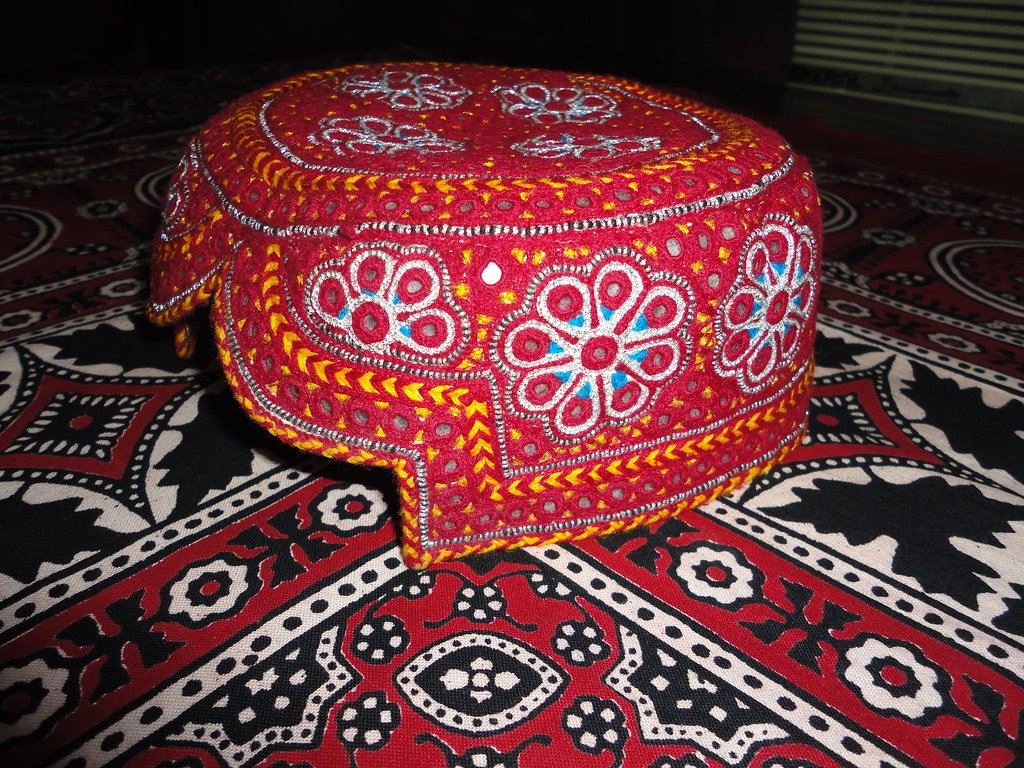
The Sindh government has stirred widespread public debate by issuing a new directive that bans the presentation of traditional Sindhi Ajrak and caps during school events throughout the province. The move, announced on Tuesday through a formal notification, has raised eyebrows among cultural advocates who see it as an affront to regional heritage and identity.
The notification, circulated to all directors, principals, and headmasters of government educational institutions, mandates immediate enforcement of the policy. It outlines several key changes to the way official school events and ceremonies are conducted, particularly concerning how guests are received and honored.
According to the government’s communication, school administrations are strictly prohibited from presenting traditional Sindhi Ajraks and caps to chief guests or any other dignitaries during official events.
The directive further bans the distribution of any type of gifts at such ceremonies. Authorities argue that these practices place unnecessary financial and organizational burdens on schools and are inconsistent with the educational environment.
In addition to curtailing ceremonial gift-giving, the notification also addresses how students are involved in welcoming guests. It explicitly states that making students stand to greet or receive chief guests is “inappropriate” and should be stopped immediately. The directive warns that any violation of these new rules will result in strict disciplinary action against the concerned school officials.
The announcement has sparked concerns among cultural proponents and the general public, who view the Ajrak and Sindhi cap as cherished symbols of the province’s rich heritage. These items are traditionally used to honor guests and are considered tokens of respect and hospitality in Sindhi culture.
While the government has not offered a detailed explanation for the abrupt change in protocol, officials suggest the decision is aimed at streamlining educational processes and avoiding unnecessary formalities in academic institutions.
However, critics argue that banning such symbolic gestures may alienate students from their cultural roots and diminish the importance of regional identity within educational settings. As public reaction continues to grow, it remains to be seen whether the policy will stand or prompt reconsideration from provincial authorities.
