

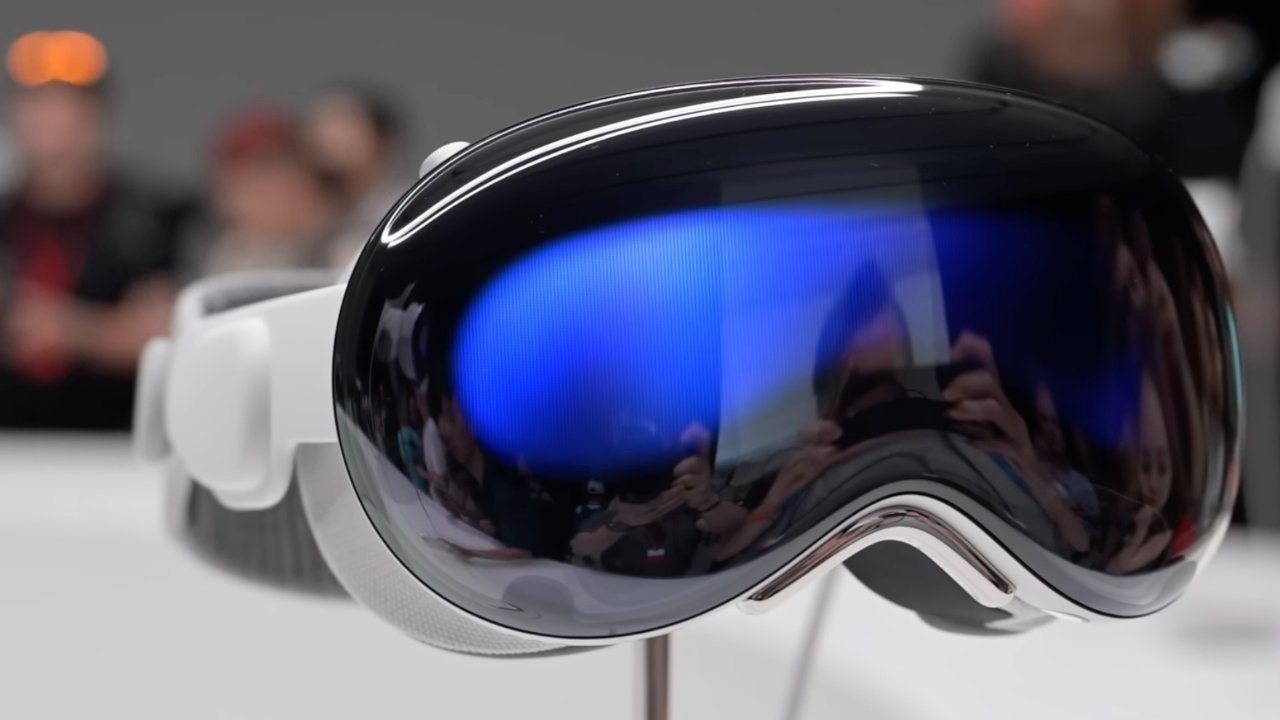

Apple is steadily shaping the future of spatial computing by balancing high-end immersive devices with more accessible, AI-driven wearables. The company’s roadmap includes the current Apple Vision Pro, upcoming Apple Smart Glasses (codenamed N50), and a delayed next-generation Vision headset, as Apple shifts focus toward broader adoption and everyday AI use.
Apple Vision Pro (Current Model)
The Apple Vision Pro represents Apple’s premium approach to spatial computing, blending digital content seamlessly with the real world. Recently upgraded with the powerful M5 chip, the headset delivers improved performance and smoother multitasking, supported by the R1 chip for ultra-low-latency sensor processing.
Key features include immersive spatial apps, seamless syncing with other Apple devices, dual-driver audio pods for personalized sound, and ZEISS prescription lens inserts for visual comfort. Designed for professionals and enthusiasts, Vision Pro remains a high-end product with a focus on deep immersion rather than mass adoption.
Apple Smart Glasses (N50 / Apple Glass)
Apple’s upcoming AI smart glasses, internally known as N50, are expected to mark a major shift in strategy. Designed as an everyday companion, these glasses will feature built-in speakers, cameras, and strong Apple Intelligence integration. Leaks suggest users will be able to perform visual lookups, receive meeting summaries, take notes synced to the Notes app, and interact primarily through Siri.
Expected to rely on a nearby iPhone for connectivity, the glasses may launch with multiple frame options and prescription lens support. A release window of late 2026 or 2027 is anticipated, with pricing likely under $1,000.
Future Vision Headsets
Reports indicate Apple has paused work on Vision 2 to prioritize smart glasses, with a next-generation Vision headset possibly arriving in 2028 or later, signaling Apple’s focus on scalable, AI-first wearables.
