

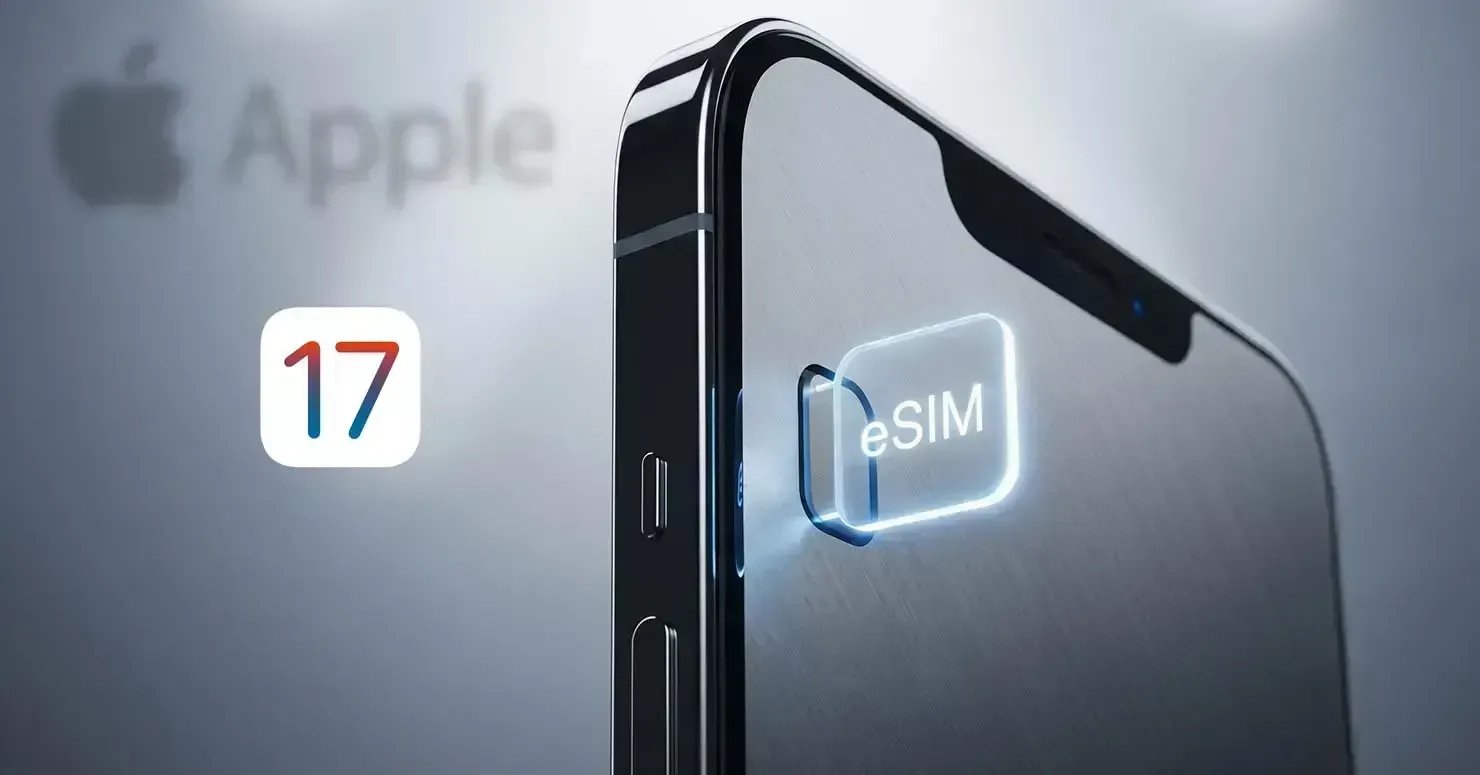

Apple has officially unveiled its latest innovation, the iPhone 17 Air, marking a significant leap in mobile connectivity. The ultra-thin device is the first of its kind to eliminate physical SIM cards entirely, relying solely on embedded SIM (eSIM) technology.
This move highlights what industry experts believe could be the beginning of the end for traditional plastic SIM cards, which have been used for over three decades.
Unlike physical SIMs, eSIMs are built directly into the device and can be activated remotely, providing users with greater flexibility, stronger security, and a smoother experience when switching carriers.
Apple first tested this approach in 2022 with the iPhone 14 in the United States. With the global launch of the iPhone 17 Air, the company has now reinforced its vision of a SIM-free future.
The transition to eSIM technology is expected to transform the telecommunications industry. Analysts predict that by 2030, around 3.1 billion smartphones will adopt eSIMs, with major manufacturers like Samsung and Google likely to follow Apple’s lead.
The change is also linked to practical benefits, such as enabling slimmer device designs, larger batteries, and reducing the environmental impact of plastic waste.
Although most iPhone 17 models still support dual SIM options in selected regions, the Air model will be exclusively eSIM-only worldwide, including in Europe, the Middle East, and Southeast Asia. However, regulatory hurdles in China have delayed the launch of the eSIM-only model there.
Meanwhile, Apple is also grappling with a rise in scams linked to the launch of the iPhone 17. Fraudulent schemes, including counterfeit websites and fake lotteries, are targeting eager buyers, tricking them into sharing personal and financial information.
These scams not only threaten to overshadow Apple’s latest release but also pose serious risks of identity theft and financial loss for unsuspecting consumers.
