


A negotiation team, spearheaded by David Barnea, Mossad’s director, is set to resume indirect discussions in Qatar for a temporary ceasefire in Gaza and the release of abducted individuals. The Israeli negotiating team is anticipated to arrive in Doha on Monday, following the reported approval from the security cabinet on Sunday night.
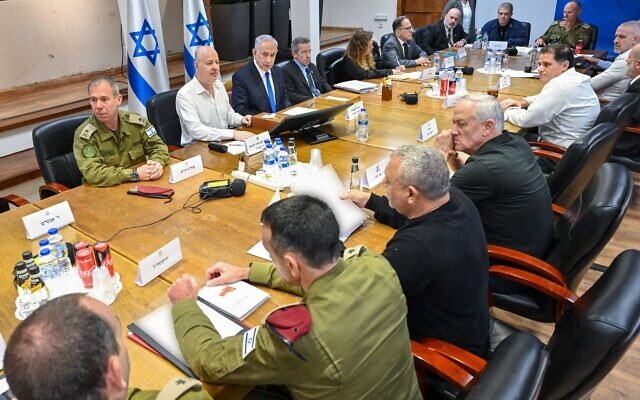
The delegation has been granted a “general mandate” to engage in talks through Qatari and Egyptian mediators, according to a senior Israeli official cited by Walla. However, certain aspects of the negotiations will require further approval from Prime Minister Benjamin Netanyahu and Defense Minister Yoav Gallant.
According to Ynet, the negotiation team requested more time to discuss the matter, aiming to enhance the agreement and present a proposal they can support. An Israeli representative, as mentioned by Ynet, emphasized the need for change and flexibility in the deal. A source informed Reuters that the Qatar talks will address the outstanding issues between Israel and Hamas, such as the potential release of Palestinian prisoners in exchange for Israeli hostages, and providing humanitarian aid to Gaza.
On Monday, the anticipated discussions will be the first instance of Israeli officials and Hamas leaders participating in indirect negotiations since the onset of Ramadan last week. Initially, mediators aimed to establish a six-week truce before this point; however, Hamas rejected any agreement not leading to a permanent ceasefire in Gaza, an ultimatum Israel firmly denies. Despite this, both parties have recently taken steps to rekindle the talks, which never entirely ceased. Over the past week, Hamas presented mediators with a new three-phase proposal to put an end to the conflict, as per two Egyptian officials – one directly involved in the negotiations and another who received briefings on the matter.
Initially, a six-week provisional truce will be implemented, involving the liberation of 35 hostages – comprising women, sick individuals, and elderly people – held captive by terrorists in Gaza. This will be reciprocated by Israel releasing 350 Palestinian prisoners. Additionally, Hamas will free at least five female soldiers in exchange for 50 prisoners, including those serving lengthy sentences for terror-related offenses, for each soldier. Concurrently, Israeli forces will withdraw from two primary roads in Gaza, facilitate the return of displaced Palestinians to the north, and permit unhindered aid delivery to the region, as per Egyptian officials.
The second phase would entail both parties declaring a permanent ceasefire, with Hamas releasing the remaining living hostages in return for more prisoners. In the third and final phase, Hamas will surrender the deceased they hold in custody, expecting Israel to lift the Gaza blockade and initiate reconstruction efforts. However, Israel has firmly rejected the idea of a permanent ceasefire and reaffirms its commitment to its stated goal of dismantling Hamas after any hostage-truce agreement is executed.
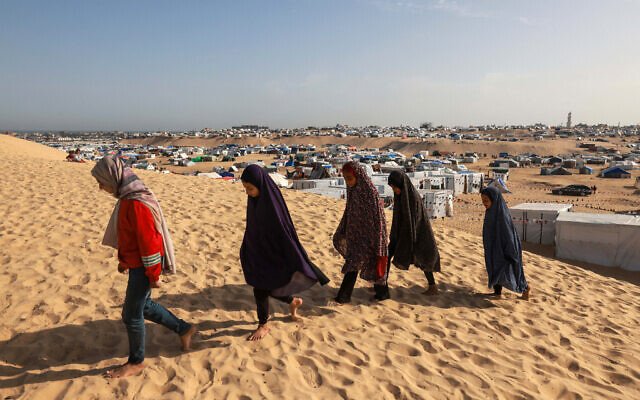
Israel has indicated its intention to initiate an operation in Rafah, the southernmost city and last stronghold of Hamas in Gaza. This anticipated move has led to increased tension with the United States, as there are concerns about the safety of non-combatants who may be caught in the conflict zone. Israel has pledged to evacuate Rafah of civilians prior to launching an operation within the city.
A temporary ceasefire would provide a much-needed respite in the destructive Gaza war against Hamas, which began following the terror group’s violent rampage across southern Israel on October 7. This incident resulted in the deaths of approximately 1,200 people and the abduction of 253 others.
A ceasefire agreement brokered by Qatar and Egypt in late November successfully led to the release of 105 hostages, the majority of whom were women and children. However, around 130 hostages are believed to still be held captive in Gaza, with doubts over their survival. The Israeli Defense Forces (IDF) have confirmed the deaths of 33 of these hostages, citing new intelligence and findings gathered by their troops operating in Gaza.
Prior to the November agreement, four hostages were freed. Subsequently, three hostages were successfully rescued by troops in good condition, while the remains of 11 hostages were also discovered, including three who were unfortunately mistakenly killed by the military. One individual has been reported missing since October 7, and their status remains uncertain.
In the meantime, endeavors to finalize a second hostage agreement continue, facing considerable challenges.
Initially, the Israeli delegation was prepared to visit Doha for additional talks on Saturday. However, the two essential forums required to approve Israel’s stance in the negotiations, the war cabinet consisting of three members and the broader security cabinet, had not yet assembled to address this issue.
On Sunday night, both cabinets convened amidst demonstrations in Jerusalem and Tel Aviv, demanding a hostage exchange agreement. The government has been under mounting domestic pressure from hostages’ families and supporters, who emphasize the urgency of reaching a deal to release the hostages as soon as possible. They fear that prolonging their captivity, already in its sixth month, poses a growing daily risk to their lives.
An Israeli official, during the meetings, stated that the delegation needed “flexibility from the political leadership” to reach agreements. The official added, “The goal is to bring a good deal that can be acceptable to the Israeli public. It is possible.”
A source from the security cabinet meeting described the discussion as “difficult, but completely matter-of-fact,” and acknowledged the “not simple” situation. Other sources mentioned in the publication referred to the meeting as featuring “a good and serious discussion.”
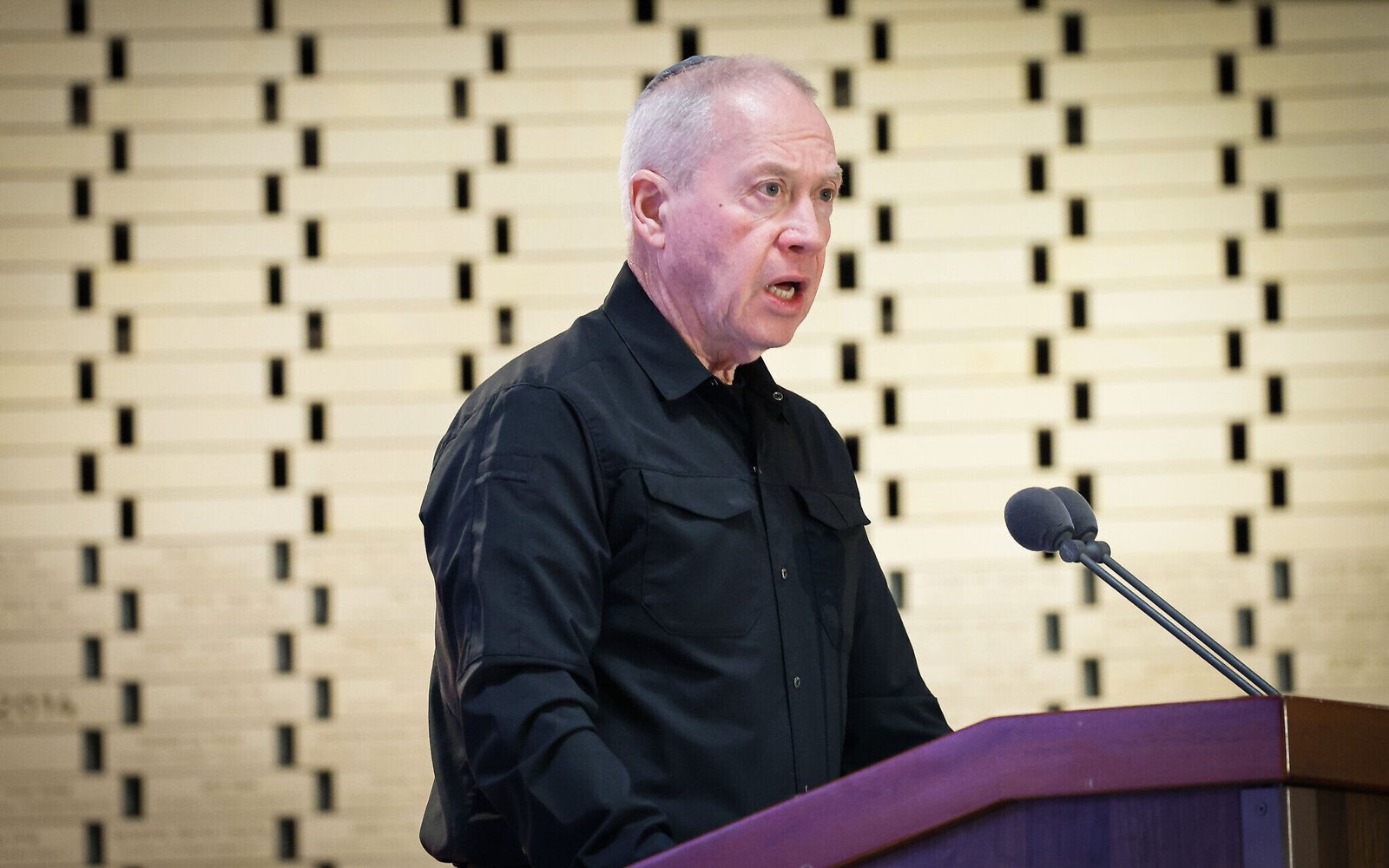
“It’s challenging to express optimism at this point,” the sources mentioned. “As we proceed with the negotiations, we can merely wish for a positive outcome.” Meanwhile, Defense Minister Yoav Gallant stated on Sunday that Israel must exhaust all potential options to rescue the hostages, even considering a proposal currently being negotiated.
Israel’s negotiating team is set to arrive in Doha on Monday, following the security cabinet’s approval. The delegation, led by Mossad director David Barnea, has received a “general mandate” to conduct negotiations via Qatari and Egyptian mediators. The talks will focus on a temporary truce in Gaza and hostage release. The expected discussions in Doha will be the first time both Israeli officials and Hamas leaders join indirect negotiations since the start of the Muslim holy month of Ramadan. Both sides have made moves to get the talks back on track, with Hamas providing a three-stage plan to end the fighting. However, Israel has ruled out a permanent ceasefire and insists on resuming its goal of destroying Hamas once a hostage-truce deal is carried out.
