
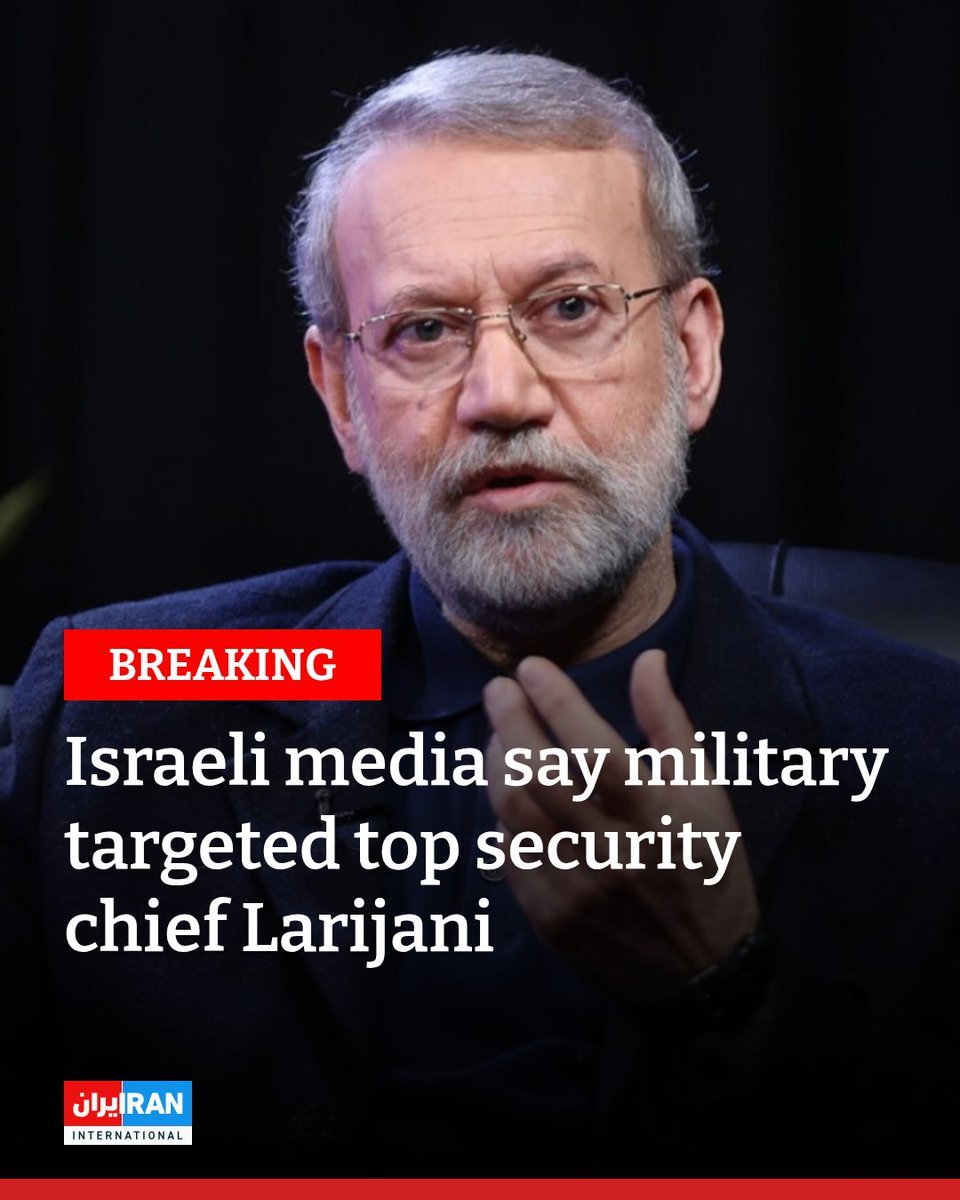

Larijani Killing Heightens Fears of Wider Iran War, Experts Caution
The assassination of Ali Larijani has left many worried. As a former Iranian parliament speaker, he often linked military decisions to quiet diplomatic channels. His death creates a real void at a dangerous moment.
Observers say the timing makes things even riskier. The US-Iran conflict has entered its second week. Larijani stood out as one of the few people who could connect fighting on the ground to possible talks. The New York Times summed it up well. Most experts believe his removal lowers the odds of a fast end to the war. It also gives more power to those who prefer to keep confronting the enemy.
Vali Nasr, who once advised the US State Department on the Middle East, spoke plainly. He noted that Larijani’s successor will probably come from the Revolutionary Guard. Every targeted killing, he said, pushes Iran’s leaders toward harder lines. In the end, Nasr warned, this path hurts Iran, its citizens, the whole region, and makes it tougher for the United States to escape a long-term mess.
Washington Shows Split Reactions
House Minority Leader Hakeem Jeffries said he felt no sadness over Larijani’s fate. Yet he criticized the Trump administration for having no clear plan. He feared the fight could drag on like past forever wars. Senator Tim Kaine pushed back hard.
However, he argued that secret intelligence never showed Iran as an immediate threat to America. Sending troops, he said, would repeat old mistakes.
Republicans backed President Trump. Trump praised the strikes as a huge success and said Iran’s top command has fallen apart. Trump called on ordinary Iranians to stand up. Senator Lindsey Graham pushed louder for regime change. He saw Larijani’s death as fresh pressure on Tehran. House Speaker Mike Johnson declared Iran now faces serious payback. He asked allies to help reopen the Strait of Hormuz.
Talks Look Tougher, Economic Pain Spreads
Bloomberg analysts see diplomacy fading fast. Without Larijani, Iran’s leaders may hit back to show strength. The Brookings Institution reported the regime remains steady. No large-scale defections have occurred. A new supreme leader holds the reins, and the outcome stays uncertain.
Additionally, dissent appeared inside the US government too. Joe Kent, who led the National Counterterrorism Center, resigned. A combat veteran and Gold Star husband, he said he could not support a war he views as needless. He urged leaders to avoid repeating costly foreign fights.
Moreover, the war already disrupts daily life worldwide. The Strait of Hormuz blockade and closed Gulf airports slow shipments. Medicines face delays. Experts expect higher drug prices in the next four to six weeks because of costlier air freight from India. Oil jumps could deliver a sharp economic hit to the United States.

