

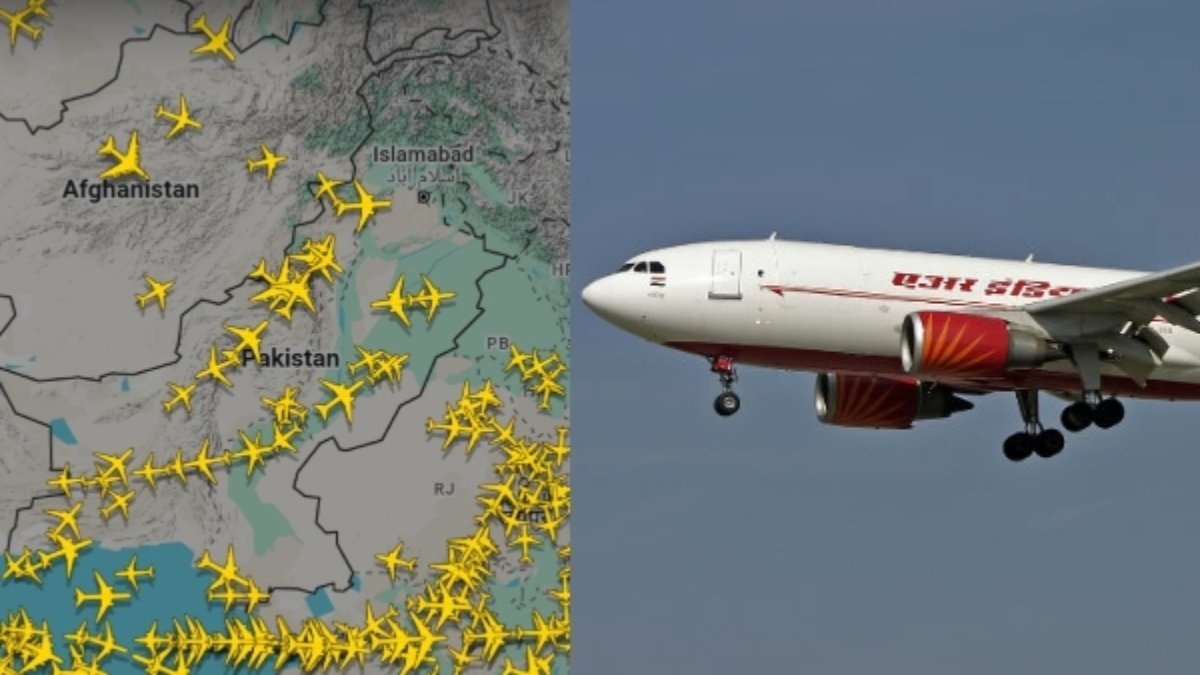

Air India estimates it could incur up to $600 million in additional costs over the next 12 months due to Pakistan’s ongoing ban on Indian carriers using its airspace. The airline has formally requested financial support from the Indian government to offset the impact.
The airspace closure, imposed in retaliation for a recent attack on tourists in Kashmir, is forcing Indian airlines to take longer routes, increasing fuel consumption and operational costs. Air India, which flies numerous long-haul routes to North America and Europe, is bearing the brunt of the disruption.
In an April 27 letter to the Civil Aviation Ministry, Air India proposed a “subsidy model” proportionate to the losses, estimating the annual financial hit at over 50 billion rupees ($591 million). The letter noted the costs stem primarily from increased fuel burn and the need for additional crew due to extended flight durations.
“The subsidy can be withdrawn once the situation normalizes,” the airline suggested.
Neither Air India nor the Civil Aviation Ministry provided immediate comment.
The Tata Group-owned airline, currently undergoing a multi-billion dollar turnaround, reported a $520 million net loss in FY 2023–24 on $4.6 billion in revenue. The carrier, which holds a 26.5% domestic market share, operates significantly more long-haul international routes than its larger domestic rival, IndiGo.
Flight data from Cirium Ascend shows that Air India, IndiGo, and Air India Express collectively scheduled around 1,200 international flights from New Delhi in April alone.
Sources say Indian airlines have been in talks with the government to explore alternatives, including seeking Chinese overflight permissions and possible tax exemptions. Air India also requested government approval to carry additional pilots on U.S. and Canada-bound flights to manage the increased flight time.
