


Iran’s suspension of cooperation with the International Atomic Energy Agency (IAEA) reflects a deepening crisis of trust, not a rejection of nuclear transparency or non-proliferation norms, argues political analyst Tazmini.
She attributes the move to ongoing Israeli and U.S. actions—particularly attacks on Iranian nuclear facilities—that have, in her words, “eroded principles of trust and good faith.” These violations, she says, have compelled Tehran to act in defense of its sovereignty.
“Iran’s mistrust of Western-led institutions is rooted in repeated breaches of its sovereignty and the use of coercive diplomacy,” Tazmini says. “The real question is not whether Iran will continue cooperation, but whether the international system offers Iran any credible, non-reversible guarantees in return. So far, it hasn’t.” Turkish Radio and Television (TRT World) published this analytical article today.
A Strategic Step Short of Full Withdrawal
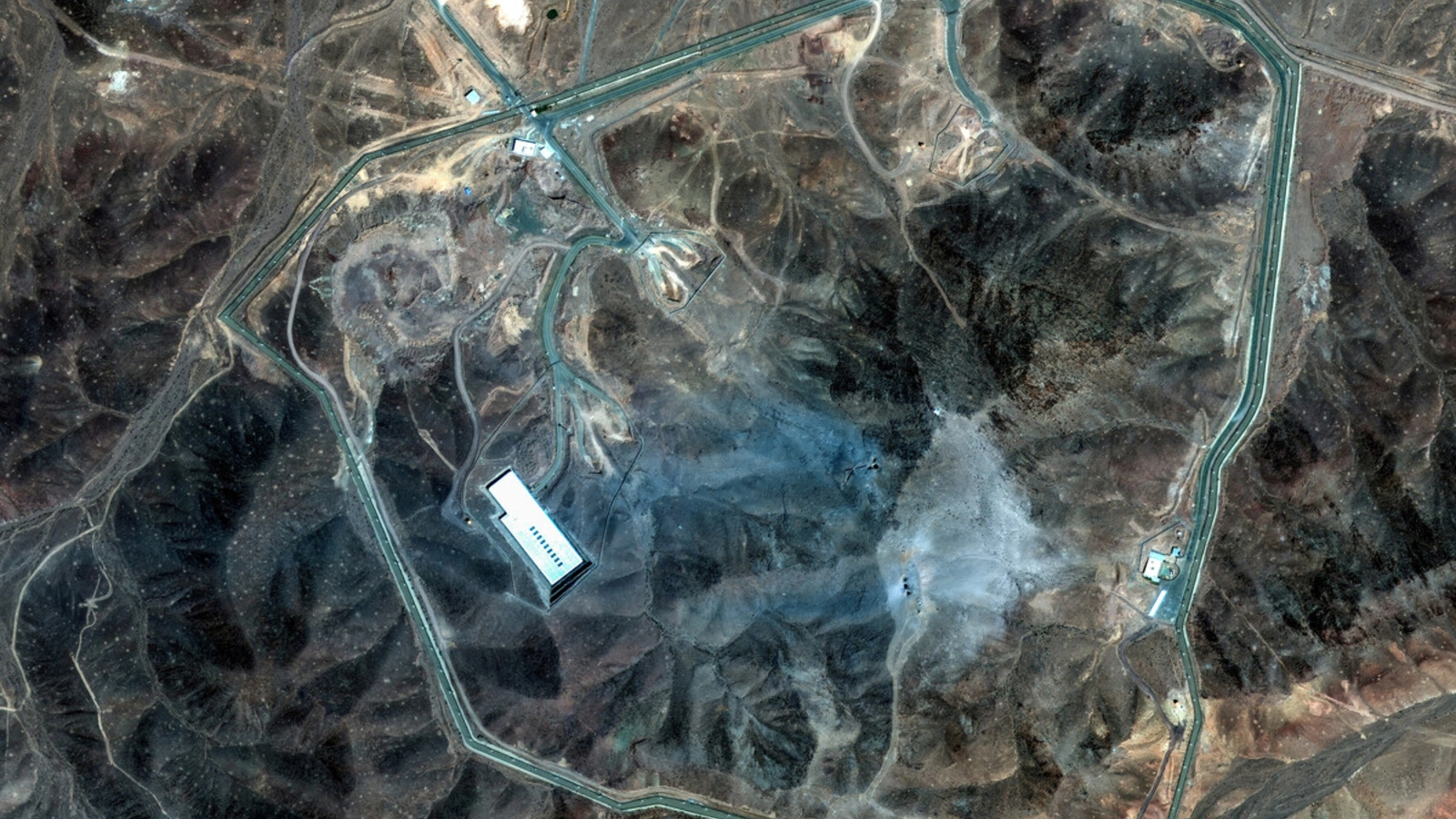
Several analysts view Iran’s IAEA suspension as a measured and strategic response to what many deem violations of international law. During a 12-day conflict, Israeli strikes—reportedly backed by U.S. operations—targeted Iranian nuclear sites in Fordow, Isfahan, and Natanz, escalating regional tensions.
Such actions appear to contradict a 2009 IAEA resolution, which was supported unanimously by the U.S., UK, and France. That resolution prohibits armed attacks or threats against nuclear installations used for peaceful purposes.
To date, the IAEA has found no conclusive evidence that Iran’s nuclear program is intended for weapons development.
“Iran has not exited the Nuclear Non-Proliferation Treaty (NPT), but its suspension of IAEA cooperation is a significant move—one level below full withdrawal,” says Omer Ozgul, a former Turkish military attaché in Tehran and expert on Iranian security affairs.
Implications of IAEA Withdrawal
Mohammed Eslami, an Iranian international relations professor at the University of Minho, describes Tehran’s decision as “a softer version of NPT withdrawal,” given the central role the IAEA plays in overseeing nuclear activities.
Under the NPT, signatory nations are permitted to develop nuclear energy for peaceful purposes, but must also submit to strict IAEA inspections and monitoring to ensure non-proliferation. Iran’s halting of IAEA cooperation effectively removes this oversight.
“This puts Iran on a similar footing with Israel and North Korea—both nuclear-armed states that are not party to the NPT,” Eslami tells TRT World. “But unlike them, Iran still has a legal and ethical obligation as a signatory.”
According to Eslami, Iran’s continued participation in the NPT hinges on de-escalation. “If Israel and the U.S. halt further provocations, Iran is likely to resume cooperation with the IAEA,” he says. “But if the situation worsens, a full withdrawal is on the table.”
Despite rising tensions, Eslami emphasizes that Iran is not pursuing a nuclear weapon, citing Supreme Leader Ali Khamenei’s fatwa prohibiting weapons of mass destruction. “Unless the Supreme Leader determines that a nuclear bomb is necessary to protect Muslim lives, that religious ruling will remain in place,” he says.
