

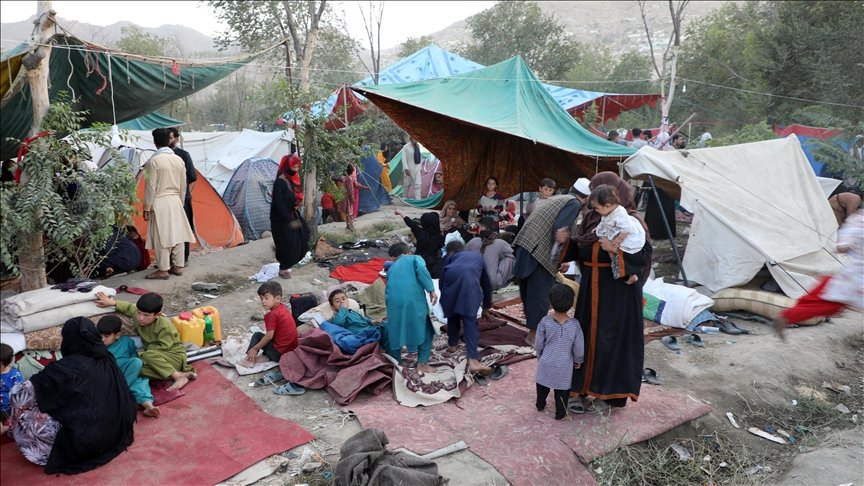

Afghan Refugee
ISLAMABAD: As of June this year, the population of Afghan nationals in Pakistan has surged to 3.7 million, with only 1.3 million of them officially registered, according to the United Nations High Commissioner for Refugees (UNHCR).
The data shows that around 775,000 unregistered Afghans currently reside in the country.
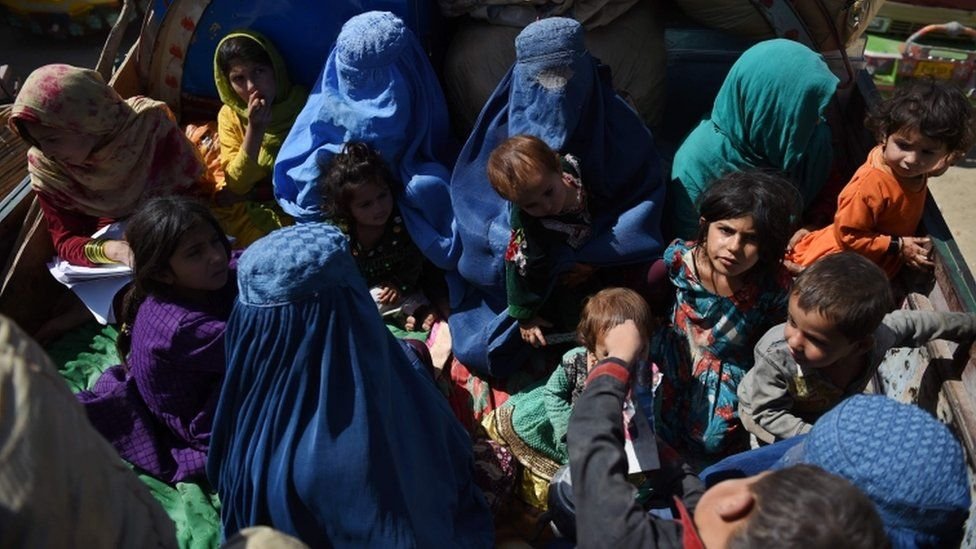
A significant 68.8% of Afghan citizens in Pakistan have settled in urban or semi-urban areas, while the remaining 31.2% are spread across 54 different regions, including villages.
Breaking down the figures, as of June 2023, Khyber-Pakhtunkhwa hosts 52.6% (735,800) of Pakistan’s undocumented Afghan population, Balochistan accounts for 24.1% (321,677), Punjab has 14.3% (191,053), Sindh houses 5.5% (73,789), Islamabad accommodates 3.1% (41,520), and Azad Jammu and Kashmir hosts 0.3% (4,352).
The influx of Afghan refugees and migrants into Pakistan has sharply increased since August 2021 when the Taliban took control of Afghanistan after the withdrawal of US and NATO forces. During this period, over 600,000 new Afghan refugees and migrants entered Pakistan.
In addition to the newcomers, Pakistan currently hosts 1.3 million Afghan refugees who possess Proof of Registration (PoR) Cards issued by the government, according to UNHCR spokesperson Qaiser Khan Afridi.
Justice Masood Expresses Concerns Over Inappropriate Phone Call From Ex-CJ Bandial
Former Chief Justice of Pakistan (CJP) Umar Ata Bandial, just before retiring earlier this month, made a phone call to Supreme Court Justice Sardar Tariq Masood to discuss complaints against fellow judges of the apex court, as reported on Monday.
Justice Masood wrote a letter to Justice Bandial, the Chief Justice at the time, the day after the call.
Justice Masood also dispatched copies of the letter to members of the Supreme Judicial Council. The essence of the letter is Justice Masood’s disapproval of Justice Bandial’s phone call, during which he asked Justice Masood what to do with a complaint against himself.
