

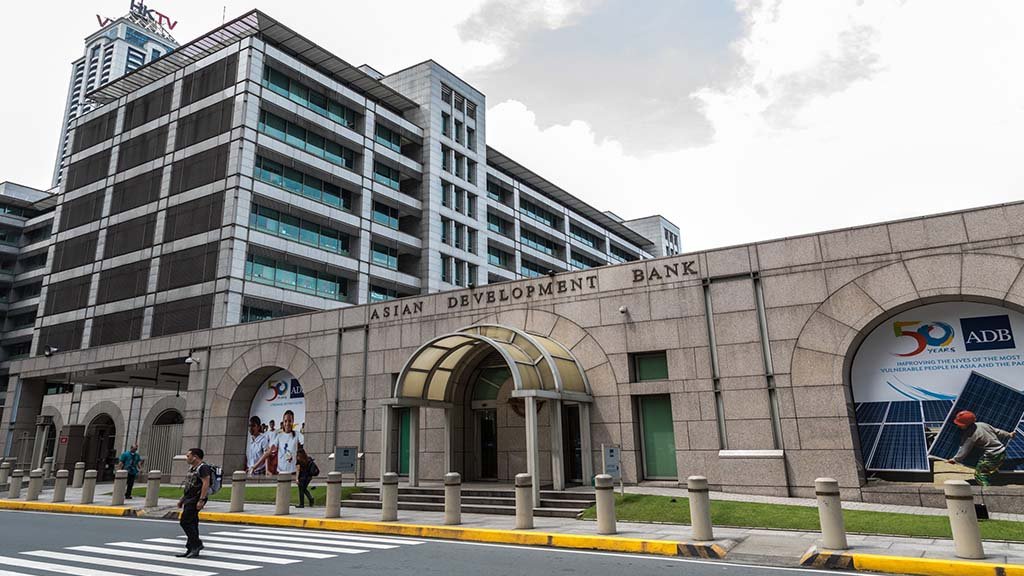

The Asian Development Bank has approved a $400 million concessional loan to aid the reconstruction of homes and community infrastructure in Sindh province, which was severely affected by the 2022 floods in Pakistan.
The funding will be allocated to the Sindh Emergency Housing Reconstruction Project, aimed at repairing flood-damaged homes and infrastructure while bolstering communities’ resilience to climate change-induced natural disasters, according to an ADB press release.
This initiative is a crucial component of ADB’s comprehensive response to the flood crisis in Pakistan and is part of a broader commitment to provide $1.5 billion in aid from 2023 to 2025 to accelerate flood recovery efforts.
ADB Director General for Central and West Asia, Yevgeniy Zhukov, emphasized that the project will help rebuild homes and restore basic services in Sindh, the province hardest hit by the 2022 floods. “This support is crucial for rebuilding the lives of those affected and for addressing the extensive damage across the nation,” Zhukov said.
The 2022 floods resulted in significant damage, with Sindh province bearing around 83% of the total housing destruction.
Approximately 2.1 million homes were either completely destroyed or severely damaged, leaving many people in temporary shelters lacking essential services such as water, sanitation, and electricity.
The project will fund conditional cash grants for reconstructing 250,000 houses using multi-hazard resilient and environment-friendly designs. It will also facilitate the construction of community infrastructure including drinking water facilities, sanitation systems, covered drainage, and renewable energy solutions for 100,000 households in about 1,000 flood-affected villages.
Additionally, the project will support conditional cash grants for livestock, agriculture, small businesses, and e-commerce.
ADB Director for Water and Urban Development, Srinivas Sampath, highlighted that the support aims to not only help Pakistan rebuild but also promote climate resilience and disaster risk management strategies. He noted the importance of coordinating with other development partners to align with the government’s recovery and reconstruction priorities.
In addition to the loan, a $500,000 technical assistance grant will be provided to enhance the government’s capabilities in procurement, compliance, and management of the project.
