
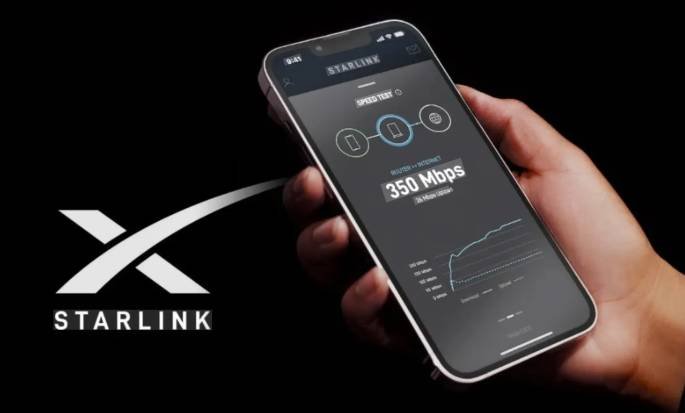

Washington: Amid a near-total internet blackout caused by the ongoing conflict, global activists have intensified efforts to keep Iranians connected through Starlink, the satellite internet system developed by Elon Musk. Activists, particularly in the United States, say underground networks have steadily expanded despite strict government bans.
These efforts trace back to 2022, when protests erupted after Mahsa Amini’s death in police custody. Since then, organizations have quietly built supply chains to deliver devices into Iran. Emilia James of NetFreedom Pioneers said her group alone has delivered more than 300 terminals this year.
Meanwhile, Ahmad Ahmadian of Holistic Resilience explained that teams procure Starlink units in Europe and transport them through neighboring countries. In addition, they connect Iranian users with underground resellers, facilitating access to thousands more devices. However, authorities intensified crackdowns in 2025, and users now risk imprisonment, especially if links to foreign organizations emerge.
Despite growing demand, activists say high costs continue to restrict access. By late 2025, black market prices ranged between $800 and $1,000 per device. Recently, however, prices surged to nearly $4,000 due to supply disruptions and increased demand.
The closure of the Strait of Hormuz has further constrained smuggling routes, reducing supply entering through southern borders and waterways. Consequently, affordability remains a major barrier, even though some free usage has been offered to new users.
Additionally, payment challenges complicate access, as international systems like Visa and Mastercard do not operate in Iran. As a result, users rely on alternative methods to maintain connectivity.
Estimates suggest more than 50,000 Starlink terminals now operate داخل Iran, although exact figures remain uncertain.

