

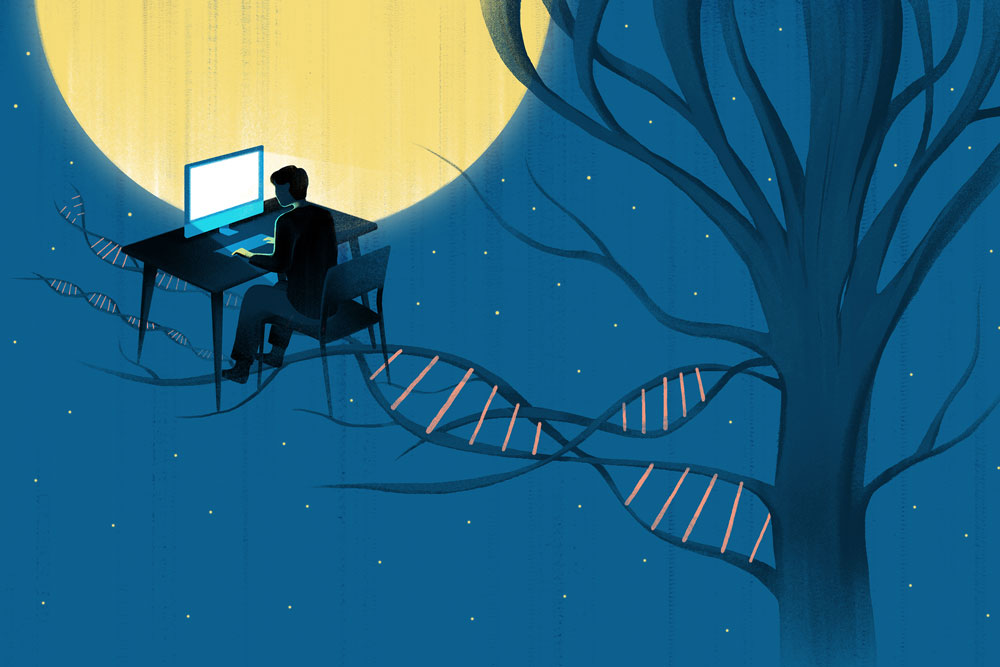

A report reveals that individuals with late chronotypes have a 46% increased risk of developing type 2 diabetes.
A report reveals that individuals who tend to stay up late, often referred to as “night owls,” face nearly a 50% higher risk of developing type 2 diabetes compared to those who go to bed earlier.
Night owls typically have higher Body Mass Index (BMI), larger waist sizes, and greater amounts of hidden body fat, including visceral and liver fat, which contribute to metabolic health issues.
These findings, set to be presented at the Annual Meeting of the European Association for the Study of Diabetes (EASD) in Madrid, Spain, have not yet been published. The study, led by Dr. Jeroen van der Velde from Leiden University Medical Centre in the Netherlands, explores the connection between sleep timing, body fat distribution, and diabetes risk.
Previous research suggested that late sleepers often engage in unhealthy behaviors like smoking and poor diet, but this study indicates that lifestyle factors alone do not fully explain the increased diabetes risk among night owls.
The research analyzed data from over 5,000 participants in the Netherlands Epidemiology of Obesity study, averaging 56 years old. Participants were categorized into three chronotype groups based on their natural sleep-wake patterns:
- Early Chronotypes: Individuals who prefer to wake up and go to bed early.
- Intermediate Chronotypes: Those with a balanced sleep schedule.
- Late Chronotypes: People who stay up late and wake up later.
The study found that late chronotypes had a 46% higher risk of developing type 2 diabetes compared to those in the intermediate group, even after adjusting for factors such as age, physical activity, and sleep quality. They also showed higher BMI, larger waist sizes, and increased visceral and liver fat. Dr. van der Velde suggests that lifestyle changes, such as avoiding late-night eating and considering time-restricted eating, might improve metabolic health for night owls.
Dr. van der Velde noted, “We believe other mechanisms are involved. One likely explanation is that the circadian rhythm or body clock of late chronotypes is misaligned with societal work and social schedules, leading to circadian misalignment, which can cause metabolic disturbances and increase the risk of type 2 diabetes.”
