

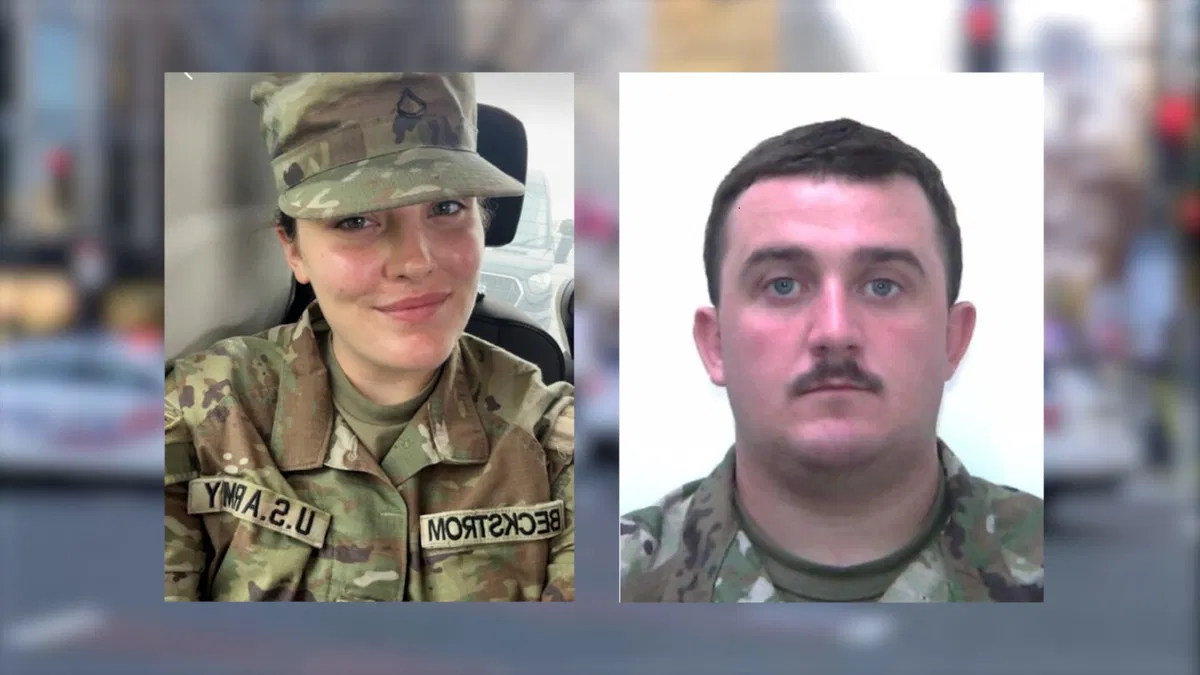

ISLAMABAD: The late-autumn streets of Washington, DC are usually marked by tourists wandering toward the White House, pausing to photograph its clean symmetry against the shifting sky. But on Wednesday afternoon, the calm fractured. In the shadow of America’s most guarded mile, two young members of the US National Guard fell to the pavement, victims of an ambush that officials quickly called an act of terror.
By Friday, the news had rippled far beyond the United States. In Islamabad, the Foreign Office (FO) issued a sombre condemnation—one steeped not only in diplomatic concern, but in the memory of a country that knows this kind of violence too well.
“Pakistan strongly condemns the shooting incident in Washington DC,” the FO said, describing it as a troubling sign that terrorism, long fought but never fully defeated, may be gaining new ground. The statement carried an unmistakable weight: a recognition that nations separated by oceans remain bound by a shared vulnerability.
The attack occurred just blocks from the White House. Twenty-year-old National Guard member Sarah Beckstrom succumbed to her wounds the next day. Her colleague, Andrew Wolfe, 24, remains in critical condition—“fighting for his life,” President Donald Trump said, his voice sharpened by grief and anger.
The FO offered condolences not only to the victims and their families but also to the government and people of the United States. The statement described the assault as “undoubtedly an act of terrorism and a heinous attack on US soil,” but it also touched on deeper, more complex roots. “For the past two decades, Pakistan has endured countless similar terrorist incidents, with clear linkages to Afghanistan,” it noted, drawing a parallel between tragedies separated by geography yet intertwined by history.
As investigators widened their probe, a clearer picture of the suspect began to emerge. The gunman—29-year-old Rahmanullah Lakanwal—was an Afghan national who once served in a CIA-backed unit before arriving in the United States in 2021 under a resettlement programme. FBI teams fanned out across states, searching properties, seizing electronic devices, and interviewing relatives in Washington state. US officials said Lakanwal drove cross-country before ambushing the Guard members with a .357 Magnum revolver.
The attack reverberated through America’s political landscape. Trump condemned the assault in stark, fiery terms, calling the suspect a “savage monster” and using the moment to again spotlight immigration policies he has long opposed. He blamed the Biden administration, asserting without evidence that the gunman was among thousands of Afghans who entered the US “unvetted” during the chaotic withdrawal of 2021.
Yet beyond the political storm, a quieter narrative emerged—one that Islamabad’s statement sought to centre. “This incident signifies the challenges posed by transnational terrorism,” the FO warned. The message was a reminder that extremists exploit borders, conflicts, and global shifts with equal ease, and that any single attack is rarely contained to the territory in which it occurs.
Pakistan, which has lost tens of thousands of civilians and security personnel to terrorism over the past two decades, framed the Washington shooting as part of a larger, unsettling pattern. “The incident heralds a troubling resurgence of terrorism on a global scale,” the FO said, urging the international community to “reinvigorate collective efforts” against what it described as a shared threat.
The statement ended with a familiar pledge: Pakistan’s commitment to work with the United States and other partners to confront terrorism’s evolving face. It was a diplomatic message, but also a quiet recognition—one forged through experience—that the world may be entering another uncertain chapter.
For now, the streets near the White House carry the quiet hum of resumed security activity. But the aftershocks of Wednesday’s attack stretch far beyond Washington. They reach the corridors of Islamabad, the desks of counter-terrorism officials, and the uneasy imagination of two nations that have fought different wars against the same shadowed enemy.
And somewhere in a DC hospital room, a young soldier continues to fight for his life—his fate still unwritten, even as the global debate around him grows louder.
