

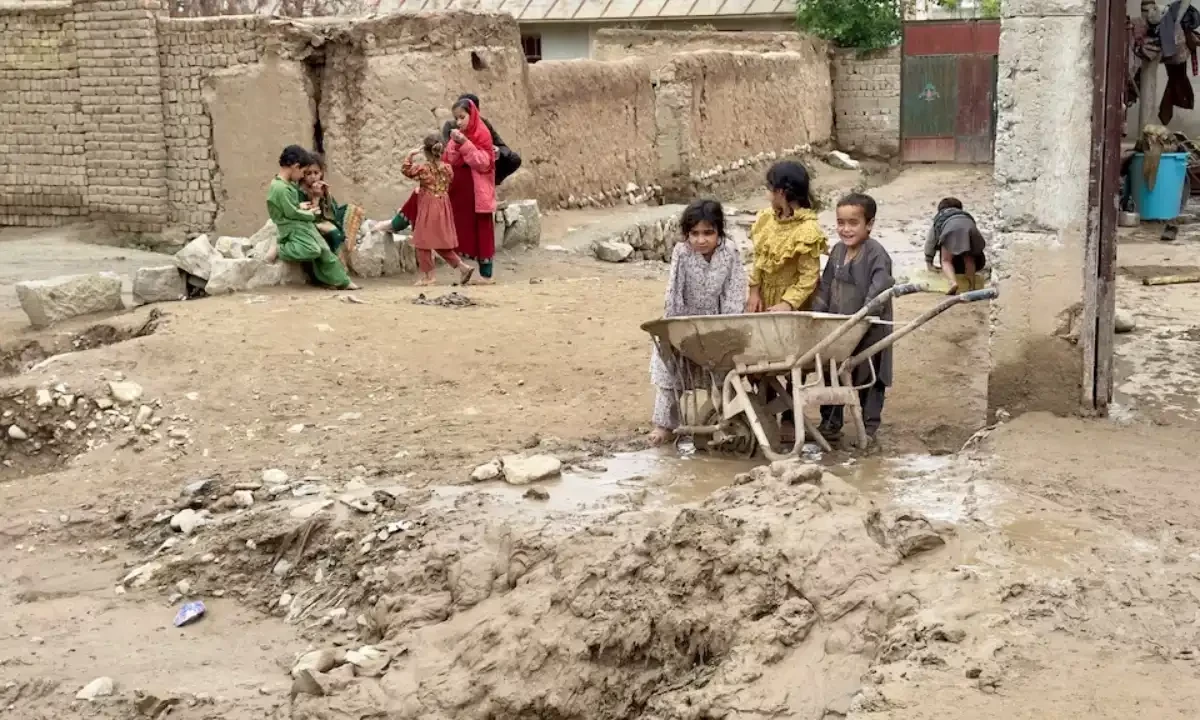

The death toll from devastating flash floods in northern Afghanistan has risen to 153 people across three provinces, as reported by the Taliban’s interior ministry on Saturday.
Heavy rains on Friday caused flooding across northern Baghlan, Takhar, and Badakhshan, leaving at least 138 people injured, ministry spokesman Abdul Mateen Qaniee informed Reuters.
Responding to reports of over 100 people stranded, Taliban authorities dispatched helicopters overnight to aid civilians.
The aftermath of the floods has left many homeless, severely disrupting transportation, water, and waste systems, according to the World Health Organization (WHO).
“The impact has been profound, leading to loss of life and injuries, with many individuals still unaccounted for,” stated the WHO’s Afghanistan office in a late Friday statement.
The floods damaged four health centers and destroyed one. The WHO announced plans to dispatch health teams to provide treatment in the inundated areas.
Amidst the chaos, efforts are underway to assess the full extent of the damage and provide urgent assistance to affected communities. Emergency response teams are mobilizing resources to address immediate needs, including shelter, food, and medical aid.
The scale of the disaster underscores the vulnerability of communities in Afghanistan to natural hazards and the urgent need for improved infrastructure and disaster preparedness measures.
As recovery efforts continue, local and international organizations are working together to provide support and mitigate further risks to affected populations. However, challenges remain significant, with access constraints and ongoing security concerns complicating relief operations in some areas.
The tragic loss of life and widespread devastation serve as a stark reminder of the importance of concerted action to build resilience and protect vulnerable communities from the impacts of natural disasters.
