

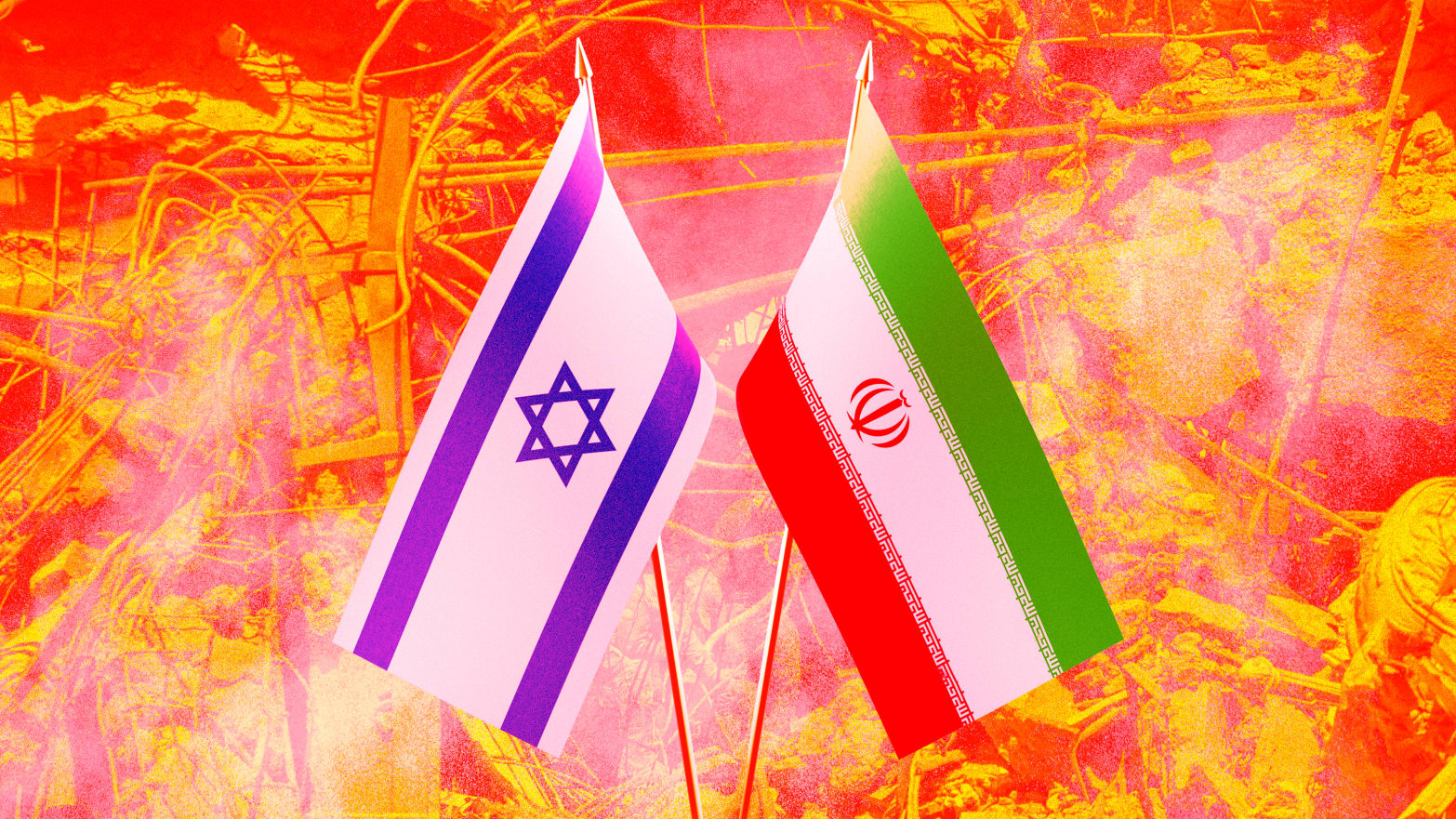

Iran has issued a stern warning to Israel following overnight drone and missile attacks, cautioning against any retaliation and urging the United States to abstain from supporting Israeli military action.
President Ebrahim Raisi’s statement, asserting that reckless behavior from Israel or its allies would be met with a decisive and stronger response from Iran, underscored Tehran’s firm stance. This sentiment was echoed by Iranian military chief Major-General Mohammad Bagheri, who emphasized a potential larger-scale retaliation against Israel if it chooses to respond to Iran’s attacks.
Despite the warnings, Iran’s Foreign Minister Amir Abdollahian sought to downplay the situation by emphasizing that the strikes were limited and solely for self-defense. However, other officials, including Islamic Revolutionary Guard Corps (IRGC) Commander Hossein Salami, adopted a more assertive tone, warning of retaliatory measures against Israeli interests.
Iran’s Permanent Mission to the United Nations justified the attacks as a legitimate defense, invoking the UN charter, and cautioned against US involvement in the conflict, framing it as an issue between Iran and Israel.
The attacks, which occurred following a suspected Israeli airstrike on Iran’s embassy compound in Damascus, have heightened tensions in the region. While Israel reported minimal damage and reopened its airspace, Israeli officials have indicated that the confrontation with Iran is ongoing.
Despite the rhetoric, some analysts suggest that there is room for de-escalation if both parties show restraint. However, the potential for further retaliations and escalations remains a concern, given the historical tensions between Iran and Israel.
The situation underscores the fragile balance of power in the Middle East and the potential for conflicts to escalate rapidly. As both sides weigh their options, the international community watches with apprehension, hoping for a peaceful resolution to avoid further destabilization in the region.
