

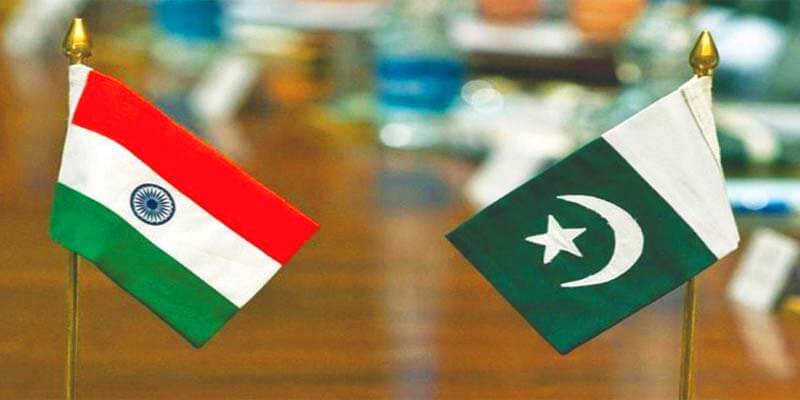

Pakistan has strongly rebutted India’s claim that Jammu and Kashmir is an integral part of India, rejecting allegations that its representative to the UN Disarmament Commission mischaracterized the forum by raising the Kashmir issue.
Gul Qaiser Sarwani, the Pakistani delegate, asserted that Jammu and Kashmir is internationally recognized as a disputed territory and defended the relevance of Pakistan’s envoy’s remarks to the commission’s work.
Ambassador Akram, in his address during the commission’s general debate, underscored that Kashmiris and Palestinians continue to be denied the right to self-determination. He criticized India’s aggressive military policies, which he argued have destabilized the security environment in South Asia.
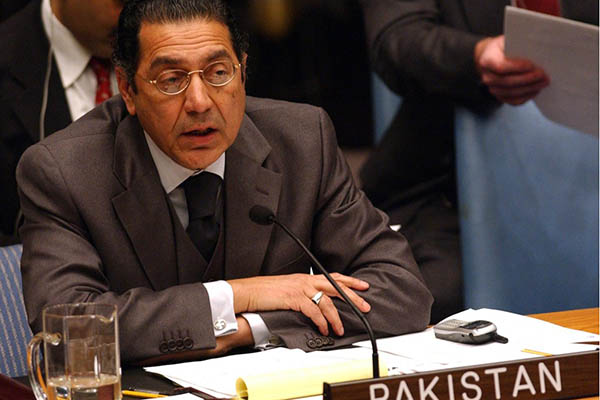
In response, the Indian representative reiterated India’s claim over Jammu and Kashmir and accused Pakistan of supporting terrorism, alleging misuse of the forum by Pakistan. Sarwani reaffirmed Pakistan’s position, emphasizing that Jammu and Kashmir remains an internationally recognized disputed territory, not an integral part of India.
Sarwani further highlighted Pakistan’s concerns about terrorism, attributing it to its eastern neighbor, India, whom he labeled as a state sponsor of terrorism. He expressed apprehensions about India’s arms buildup and aggressive posturing, asserting their relevance to the commission’s work due to their implications for regional and global peace.
Additionally, Sarwani raised Pakistan’s concerns regarding India’s emphasis on the Fissile Material Cut-off Treaty (FMCT), which Pakistan perceives as a threat to its national security interests. He called for flexibility and compromise from all delegations to address the longstanding deadlock in the Conference on Disarmament (CD).
Overall, Pakistan urged the international community to address attempts to undermine regional peace and security, emphasizing their direct impact on disarmament efforts at both regional and global levels.
