


NATO
BUDAPEST/STOCKHOLM: Hungary’s parliament granted approval for Sweden’s NATO accession on Monday, marking the final step before the historic move by the Nordic country. Sweden, known for its two-century-long neutrality, including during two world wars and the Cold War, has shifted its security policy by joining the North Atlantic Treaty Organization.
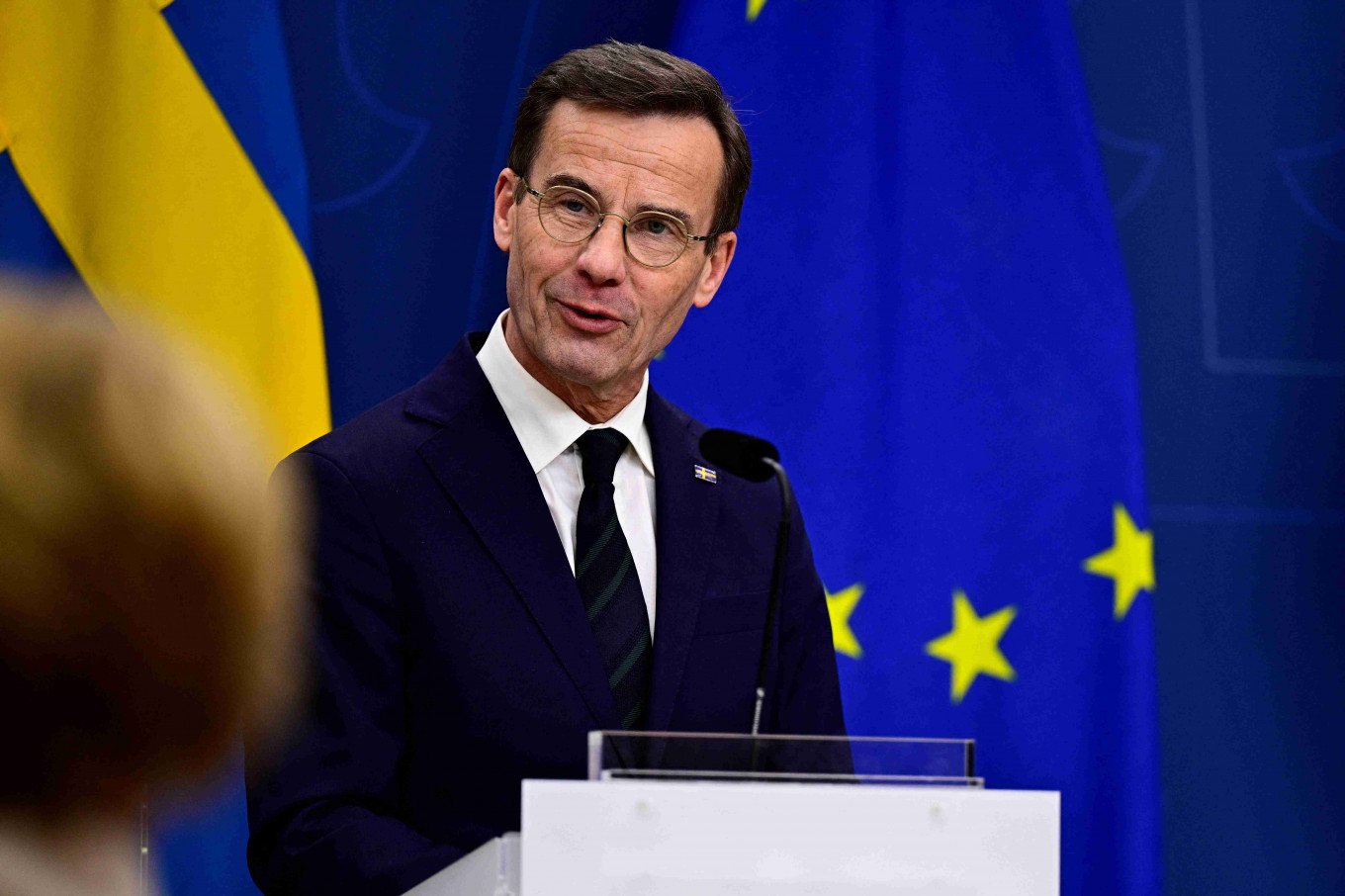
The approval from Hungary followed months of delays and a visit by Swedish Prime Minister Ulf Kristersson, during which an arms deal between the two countries was signed. Kristersson emphasized that Sweden is leaving behind 200 years of neutrality and military non-alignment to join NATO in defense of freedom, democracy, and shared values.
Hungarian Prime Minister Viktor Orban’s government faced pressure from NATO allies to facilitate Sweden’s accession. The White House welcomed Sweden and encouraged Hungary to swiftly complete the process for Sweden’s NATO entry.
NATO Secretary General Jens Stoltenberg expressed that Sweden’s membership would strengthen the alliance and enhance security. Sweden’s decision to abandon its non-alignment policy came in response to Russia’s invasion of Ukraine in 2022.
With Sweden and Finland joining NATO, Western leaders noted that Russian President Vladimir Putin unintentionally achieved an expansion of the alliance, contrary to his objectives in launching the war in Ukraine. Kristersson acknowledged potential opposition from Russia and expressed preparedness for various scenarios.
The accession of Sweden and Finland marks the most significant expansion of NATO since the inclusion of Eastern European members after the collapse of the Soviet Union in 1991. While Sweden has collaborated with North Atlantic Treaty Organization in recent years, its membership is expected to simplify defense planning and cooperation on the alliance’s northern flank.
Sweden, a country that has not experienced war since 1814, brings valuable resources, including advanced submarines and a fleet of domestically produced Gripen fighter jets, to NATO. The country is increasing military spending and is set to meet NATO’s 2% of GDP threshold this year. The move enhances security in Northern Europe and contributes to the alliance’s strength.
