


Qatar Talks
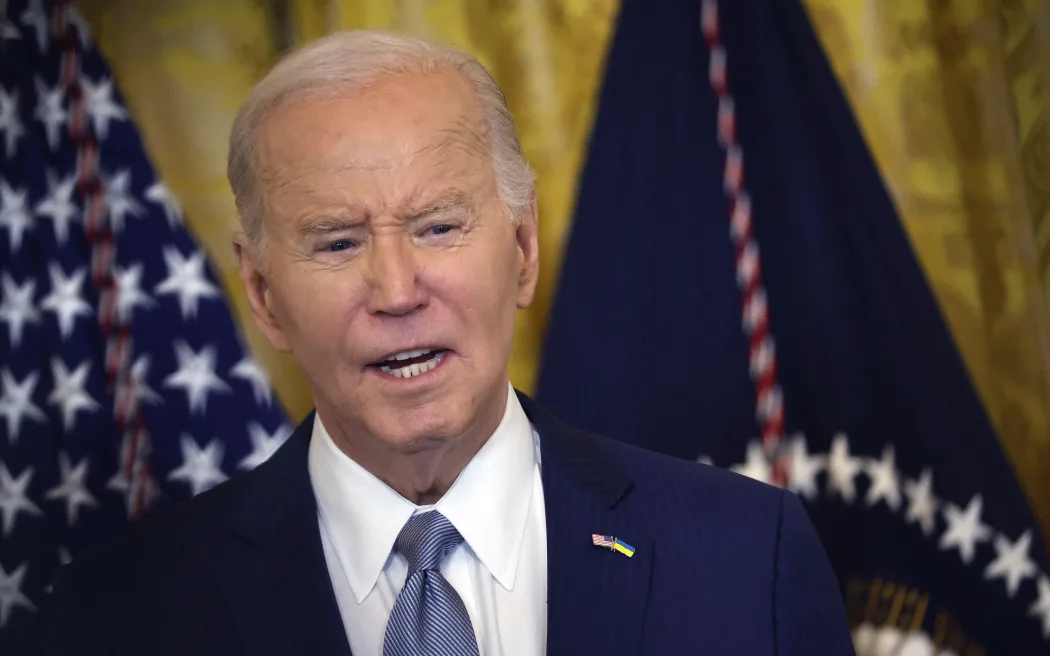
On Monday, US President Joe Biden expressed optimism about achieving a ceasefire in the Israel-Hamas conflict in Gaza by the following Monday. Negotiations in Qatar, aimed at securing both a ceasefire and the release of hostages, seemed to be progressing as both parties engaged in proximity talks.
These talks involve meeting mediators separately but in the same city, indicating a more advanced stage of negotiations than seen since early February.
Biden stated his hope for a ceasefire within days, potentially by the upcoming weekend. The negotiations were marked by the involvement of US officials pushing for a pause-for-hostages deal, with a focus on reaching an agreement by the beginning of Ramazan on March 10.
Publicly, Israel and Hamas maintained divergent positions on a potential truce, each blaming the other for delays. After meeting with Qatari Emir Sheikh Tamim bin Hamad Al Thani, Ismail Haniyeh, the head of Hamas, accused Israel of stalling while expressing a commitment to efforts for ending the war.
Israeli Prime Minister Benjamin Netanyahu affirmed Israel’s readiness for a deal, urging Hamas to align with realistic expectations.
The talks gained momentum following discussions in Paris on Friday, where Israeli officials engaged with delegations from the United States, Egypt, and Qatar to explore terms for a hostage release deal. The situation remains complex, with Israel publicly stating its commitment to eliminating Hamas, while Hamas insists on a comprehensive agreement to end the war.
As negotiations progress, the pressure on Israel to agree to a truce intensifies, especially to prevent a potentially devastating assault on Rafah, a city in southern Gaza where a significant population is seeking shelter.
Despite the diplomatic efforts, Netanyahu affirmed plans for an assault on Rafah and emphasized Israel’s commitment to making independent decisions.
The evolving dynamics also witness the resignation of the Palestinian Authority’s Prime Minister Mohammad Shtayyeh, signaling potential shifts in political arrangements following the Gaza war. The situation continues to unfold amid broader calls for reforms in Palestinian territories.
