

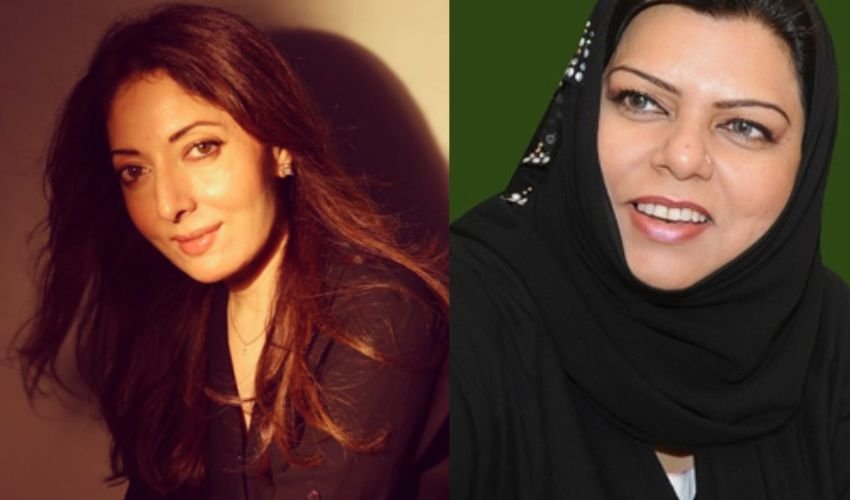

ISLAMABAD: The Election Commission of Pakistan (ECP) recently notified us of the nomination of female leaders from the Pakistan People’s Party (PPP) to reserved seats in the National Assembly. The PPP nominated Sharmila Farooqui and Sahar Kamran have now been officially recognized as elected members of the National Assembly, representing the party on reserved seats.
This development came after PPPs Shazia Murri and Nafisa Shah resigned from their reserved seats after successful outcomes in the general elections. As per the standard procedure, when elected members win in the general elections, they vacate their reserved seats, allowing other nominated individuals from their respective parties to take their place.
Sharmila Farooqui and Sahar Kamran’s nominations to the reserved seats underscore PPP’s commitment to gender representation in the National Assembly. These reserved seats allow female leaders to contribute to the legislative process and represent the interests of women at the national level.
The notification also includes the successful independent candidate Khizr Hussain Mazari from the Punjab Assembly seat PP 297. This indicates the recognition of Mazari’s electoral victory and his subsequent eligibility to serve as a member of the provincial assembly.
The issuance of these notifications by the Election Commission of Pakistan marks an important step in formalizing the electoral process and the representation of diverse voices in the legislative bodies. It reflects the democratic principles of fair representation and participation, ensuring that elected members accurately reflect the will and diversity of the electorate.
Moving forward, Sharmila Farooqui, Sahar Kamran, and Khizr Hussain Mazari, along with other elected representatives, will play integral roles in shaping legislative agendas, advocating for constituents’ interests, and contributing to the democratic process in Pakistan. Their presence in the National Assembly and Punjab Assembly highlights the ongoing evolution and vitality of Pakistan’s democratic institutions.
