

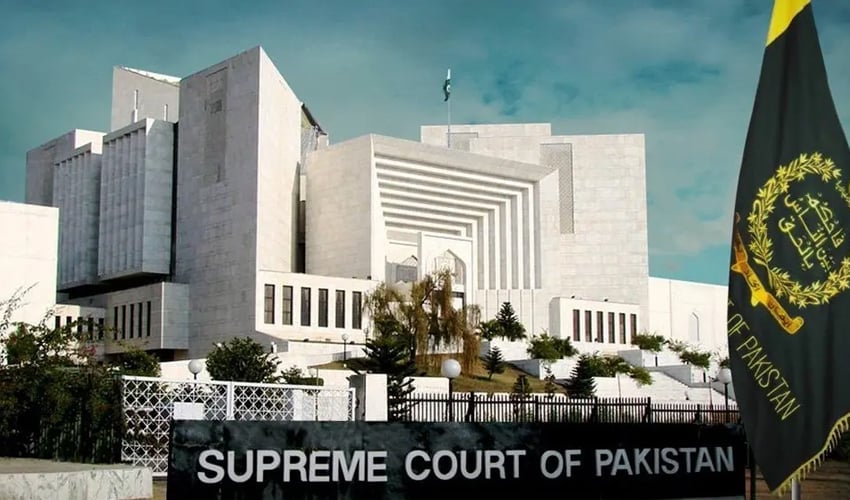

Islamabad: In a landmark ruling, the Supreme Court of Pakistan has declared that the resignation of a judge during proceedings before the Supreme Judicial Council will not hinder the council’s authority to continue investigations. The decision, delivered by a five-member bench, solidifies the autonomy of the Supreme Judicial Council in pursuing inquiries against judges, irrespective of their resignation status.
Chaired by Justice Aminuddin Khan, the bench’s verdict was split with a 1-4 ratio, as Justice Hassan Azhar Rizvi dissented from the majority judgment. The ruling addresses a critical question raised during the hearings concerning the implications of a judge’s resignation mid-proceedings. Judicial Assistant Akram Sheikh emphasized the council’s independence and the need for uninterrupted due process.
Justice Musrat Hilali drew parallels with a similar scenario in India, where a judge’s retirement during an inquiry did not disrupt proceedings, highlighting the importance of maintaining judicial continuity. Justice Irfan Saadat questioned whether the absence of a notice from the council would terminate a reference against a judge.
Chief Justice Jamal Khan Mandukhel underscored that addressing complaints against judges is a collective responsibility of the entire council, revealing a backlog of over 100 complaints awaiting resolution.
The case, which garnered significant attention, featured robust arguments from judicial assistants Akram Sheikh and Khawaja Haris. The decision reinforces the Supreme Judicial Council’s authority and sets a precedent for the seamless continuation of inquiries even in the face of judges’ resignations.
As Pakistan’s judicial landscape undergoes this significant development, the ruling underscores the commitment to maintaining the integrity of the judicial process and ensuring accountability within the legal framework.
