

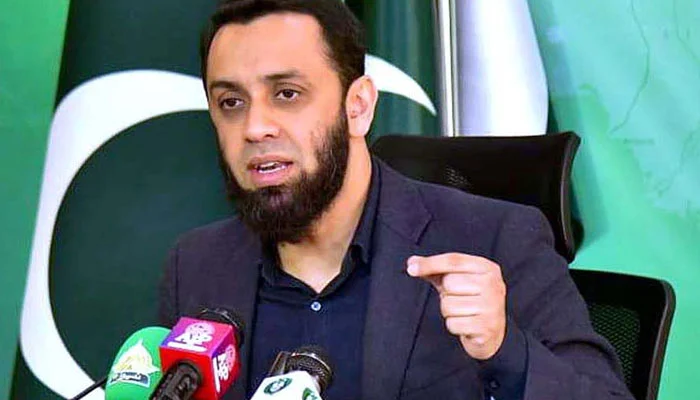

In a fiery denouncement of Pakistan Tehreek-e-Insaf (PTI) tactics, Pakistan Muslim League-Nawaz (PML-N) leader Ata Tarar lambasted the PTI for what he described as attempts to undermine democracy by casting doubt on the integrity of the elections. Addressing reporters in Lahore, Tarar accused the PTI of deploying vast financial resources and organizational structures to sow seeds of controversy and instability in the electoral process.
Tarar’s remarks highlighted the PTI’s alleged dissemination of numerous Form 45 documents to the media, a move he characterized as an orchestrated effort to create doubt and confusion surrounding the election results. He emphasized that while celebrations ensued in Khyber Pakhtunkhwa (KP), accusations of rigging surfaced prominently in Punjab and Sindh.
Moreover, Tarar raised concerns about the alleged manipulation of Form 47, insinuating that discrepancies between Form 45 and Form 47 were intentionally created to undermine the electoral process. Despite these challenges, Tarar reaffirmed his commitment to upholding democracy and resisting any attempts to derail it.
Meanwhile, PML-N leader Marriyum Aurangzeb leveled serious allegations of “cyber-terrorism” against the PTI, alleging that the party had submitted fabricated screenshots to the Election Commission of Pakistan (ECP) to support its claims. Aurangzeb condemned what she perceived as the PTI’s efforts to manipulate the narrative and discredit political opponents through deceptive means.
Accusing the PTI of seeking external intervention to bolster its position, Aurangzeb characterized the party as foreign agents and terrorists. She emphasized the PTI’s alleged pattern of resorting to elaborate schemes to shape public perception and manipulate the political landscape to its advantage.
Aurangzeb’s assertions underscored the gravity of the situation, with the PML-N signaling its intent to counter the PTI’s tactics through the preparation of a comprehensive whitepaper. This document, she suggested, would shed light on the PTI’s alleged misconduct and expose its efforts to subvert the democratic process.
As political tensions escalate, the exchanges between the PML-N and PTI underscore the deep-seated divisions within Pakistani politics and the ongoing struggle for legitimacy and power. Amidst accusations and counter-accusations, the fate of democracy in Pakistan hangs in the balance, with both sides fiercely contesting the narrative and vying for public support.
