

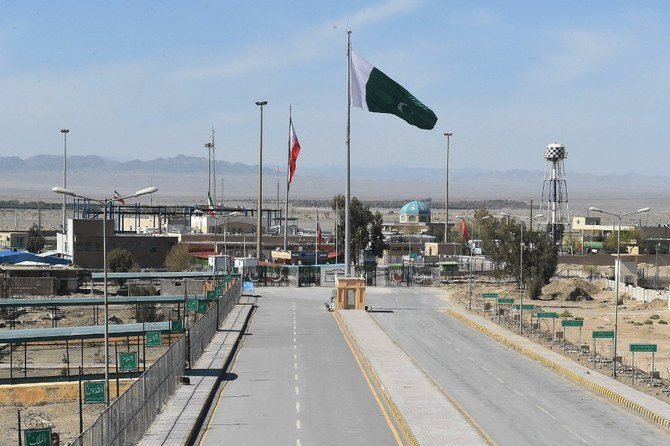

ISLAMABAD: The Foreign Office (FO) spokesperson has announced that Pakistan will be airlifting the bodies of laborers who lost their lives in Sistan Baluchestan, Iran, today (Wednesday).
In a statement on X (formerly known as Twitter), the MOFA spokesperson mentioned, “The mortal remains of nine Pakistani nationals, who were killed in a terrorist attack in Sistan o Baluchestan Province of Iran on January 27, 2024, are being airlifted today from the Taftan border to Multan. May Allah grant them the highest abodes in heaven. Our thoughts and prayers are with their loved ones.”
The attack, which occurred on January 27, involved unknown assailants who fatally shot at least nine Pakistani nationals and wounded three others in the suburb of Saravan in the southeastern Iranian province of Sistan Baluchestan.
Five of the victims were from various areas of Alipur in Punjab province and had been working in Iran for the past decade.
Meanwhile, Chief of Army Staff (COAS) General Syed Asim Munir and Iranian Foreign Minister Amir Abdollahian jointly emphasized the imperative of collaborative efforts, improved coordination, and intelligence sharing in the fight against the shared threat of terrorism. This sentiment was echoed during a meeting at the General Headquarters (GHQ) in Rawalpindi, as per a statement issued by the Inter-Services Public Relations (ISPR) on Monday.
Recognizing the historical, religious, and cultural ties binding Pakistan and Iran, both leaders underscored the need to strengthen bilateral relations and deepen mutual understanding of each other’s concerns.
Recent tensions, sparked by missile strikes, led to diplomatic recalls and cancellations of high-level engagements. However, swift efforts were made to de-escalate the situation, with envoys returning to their posts and Abdollahian being invited for talks.
COAS Munir highlighted the importance of respecting each state’s sovereignty and territorial integrity, emphasizing it as sacrosanct, inviolable, and a cardinal principle of state-to-state relationships. Both sides acknowledged terrorism as a common threat requiring collaborative efforts, enhanced coordination, and intelligence sharing.
COAS Munir emphasized the need for sustained engagement and the use of available communication channels to address security concerns.
Both nations agreed to operationalize the deployment of military liaison officers in each other’s country to improve coordination and response efficiency against common threats.
