


Attack
U.S. President Joe Biden has confirmed that he has reached a decision on how to respond to a drone attack that resulted in the deaths of U.S. service members in Jordan. The challenge lies in formulating a measured response to punish Iran-backed militias responsible for the attack without escalating tensions into a broader conflict.
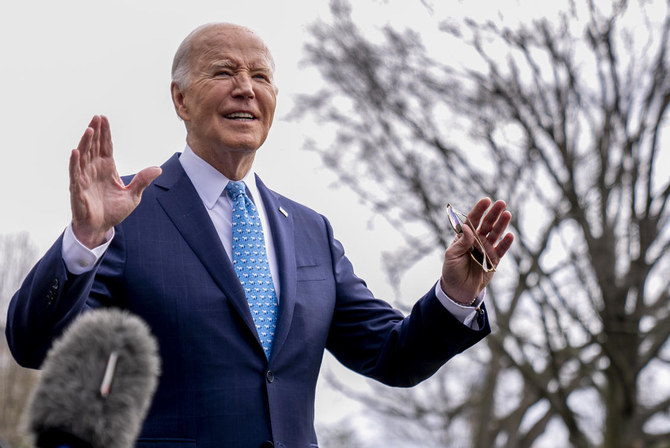
Speaking to reporters before embarking on a campaign trip to Florida, Biden did not provide details about the nature of his decision but mentioned consultations with top advisers at the White House. John Kirby, the White House national security spokesperson, indicated that the U.S. response might unfold in multiple stages, emphasizing a tiered approach rather than a singular action.
Kirby stated, “It’s fair for you to expect that we will respond appropriately and it is very possible that what you’ll see is a tiered approach here, not just a single action, but essentially multiple actions.” Biden echoed the sentiment, emphasizing that the United States does not seek a broader war in the Middle East, aligning with the views expressed by other officials who emphasized a reluctance to engage in war with Iran.
While the expectation has been for retaliatory strikes, the timing of the response remains uncertain. Biden reiterated his commitment to avoiding a wider conflict in the Middle East, emphasizing, “I don’t think we need a wider war in the Middle East. That’s not what I’m looking for.”
When questioned about Iran’s responsibility, Biden held them accountable, noting their role in supplying weapons to those who executed the attacks. The drone attack, carried out by Iran-backed militants, resulted in the deaths of three U.S. service members and the injury of at least 34 others near the Syrian border in northeastern Jordan. The president faces pressure to deliver a robust response, with critics accusing him of leaving American forces vulnerable to such attacks.
