

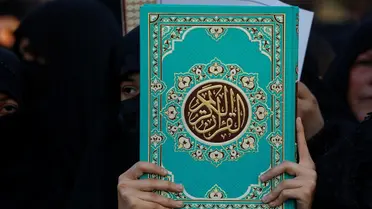

The Holy Quran
On Tuesday, Denmark’s parliament will deliberate a bill to criminalize burnings of the Holy Quran, prompted by recent desecrations causing outrage in Muslim nations. The government, citing national security concerns, considers the tensions a threat.
The proposed legislation seeks to make it a criminal offense to treat a text with strong religious significance for a community inappropriately, with potential offenders facing up to two years in prison.
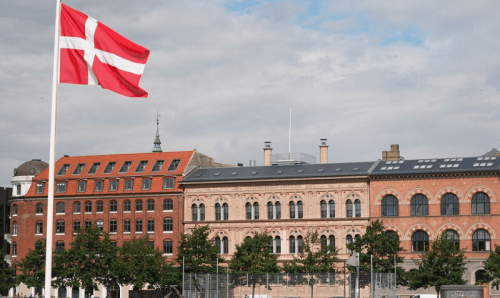
In the period from July 21 to October 24 this year, Denmark recorded 483 incidents of book or flag burnings. Originally announced in August, the bill was revised in response to concerns about limiting freedom of expression.
The amended version now specifically targets the improper treatment of scriptures of significant religious importance, addressing criticism and clarifying the legislation’s focus.
Initially intended to cover objects of significant religious importance, the bill reflects Denmark’s effort to address the sensitive issue while navigating the balance between freedom of expression and religious respect.
‘Criticism’
Critics, including politicians, artists, media, and freedom of speech experts, opposed the initial draft of the bill, perceiving it as a resurrection of the blasphemy law abolished in 2017.
Concerns about enforceability were shared by police and judicial officials. In an October statement, Justice Minister Peter Hummelgaard addressed these concerns, emphasizing changes to make the law more navigable for police and courts, especially amid intensified terrorist threats against Denmark.
The proposed legislation, targeting the inappropriate treatment of religious texts, is slated for inclusion in chapter 12 of Denmark’s penal code, focusing on national security. After the initial reading, the bill undergoes committee scrutiny before two additional readings and a vote.
